
Now Reading: Working Memory Explained: The Brain System Behind Learning, Focus, and Recall
-
01
Working Memory Explained: The Brain System Behind Learning, Focus, and Recall
Working Memory Explained: The Brain System Behind Learning, Focus, and Recall
Imagine trying to remember a phone number long enough to dial it.
Or solving a math problem in your head.
Or following a set of instructions while performing a task.
All of these activities rely on a powerful mental system known as working memory.
Although many people have heard of memory, fewer understand the critical role working memory plays in everyday thinking.
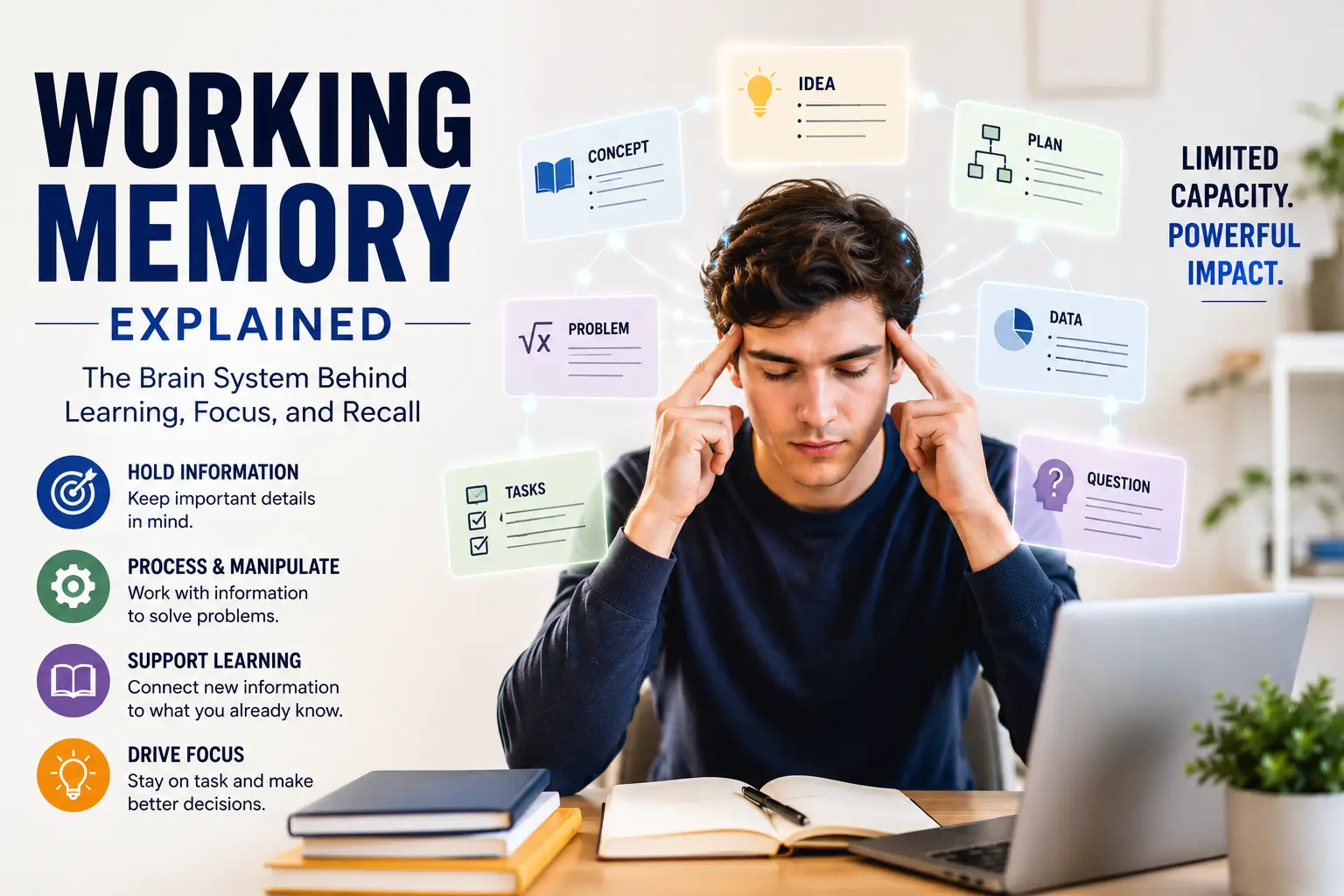
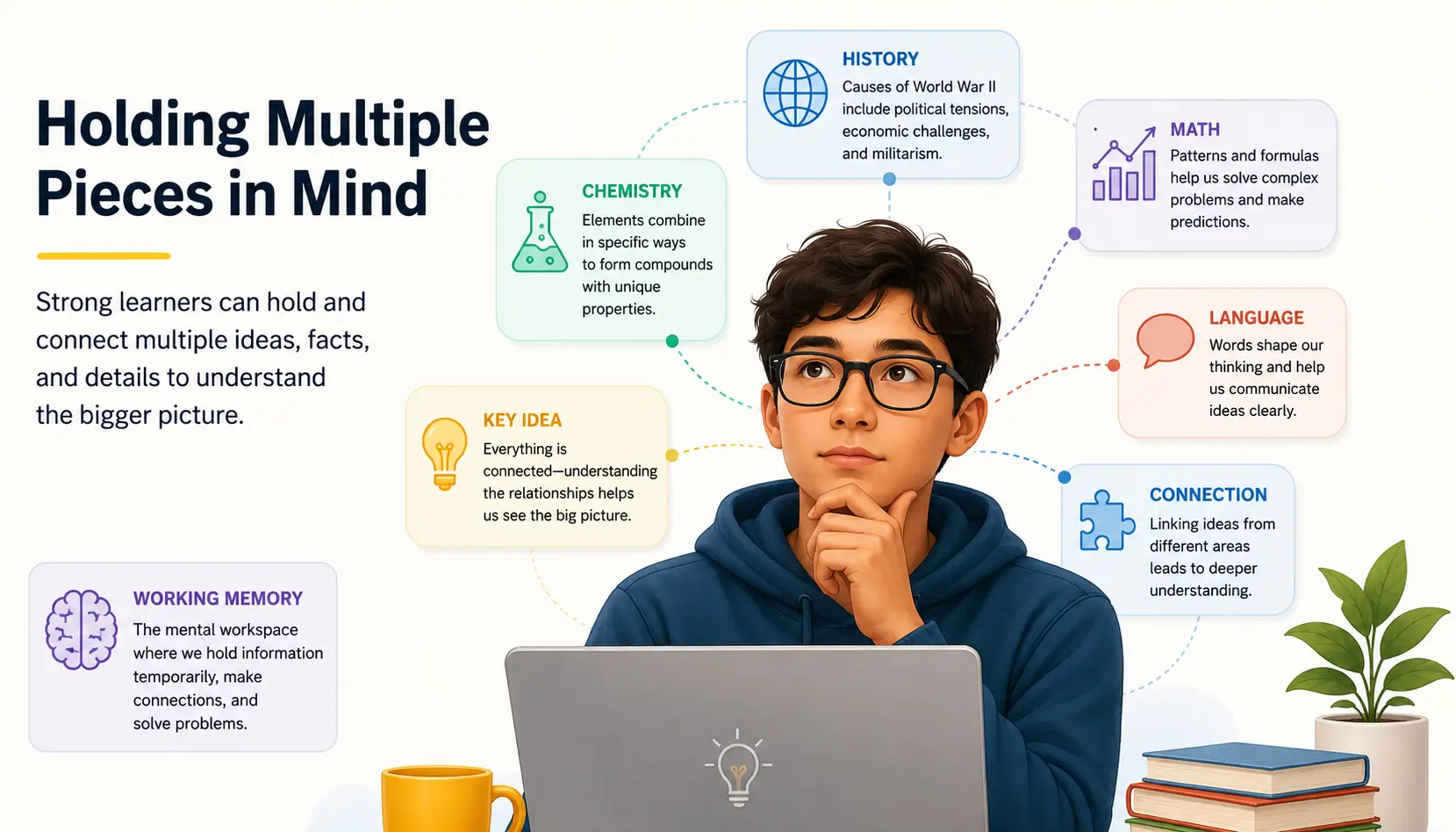
Working memory is often described as the brain’s mental workspace.
It temporarily holds and manipulates information while you think, learn, reason, and make decisions.
Without working memory, many cognitive activities would become extremely difficult.
Reading, problem-solving, studying, planning, and even conversations depend on it.
Understanding how working memory functions can help explain why some learning strategies are effective and why cognitive overload can interfere with performance.
What Is Working Memory?
Working memory is a temporary mental system responsible for holding and processing information over short periods of time.
Unlike long-term memory, working memory is not designed for permanent storage.
Its purpose is to keep information available while it is being used.
For example, when reading a sentence, working memory temporarily stores earlier words while you process the meaning of later words.
Without this ability, comprehension would be much more difficult.
Working memory acts as the bridge between incoming information and existing knowledge.
Working Memory vs Short-Term Memory
Many people use the terms interchangeably, but they are not exactly the same.
Short-term memory primarily refers to temporary storage.
Working memory goes a step further.
It not only stores information but also manipulates it.
For example:
- Remembering a number briefly uses short-term memory.
- Rearranging that number mentally uses working memory.
This active processing component makes working memory especially important for learning and problem-solving.

Why Working Memory Matters for Learning
Almost every learning activity depends on working memory.
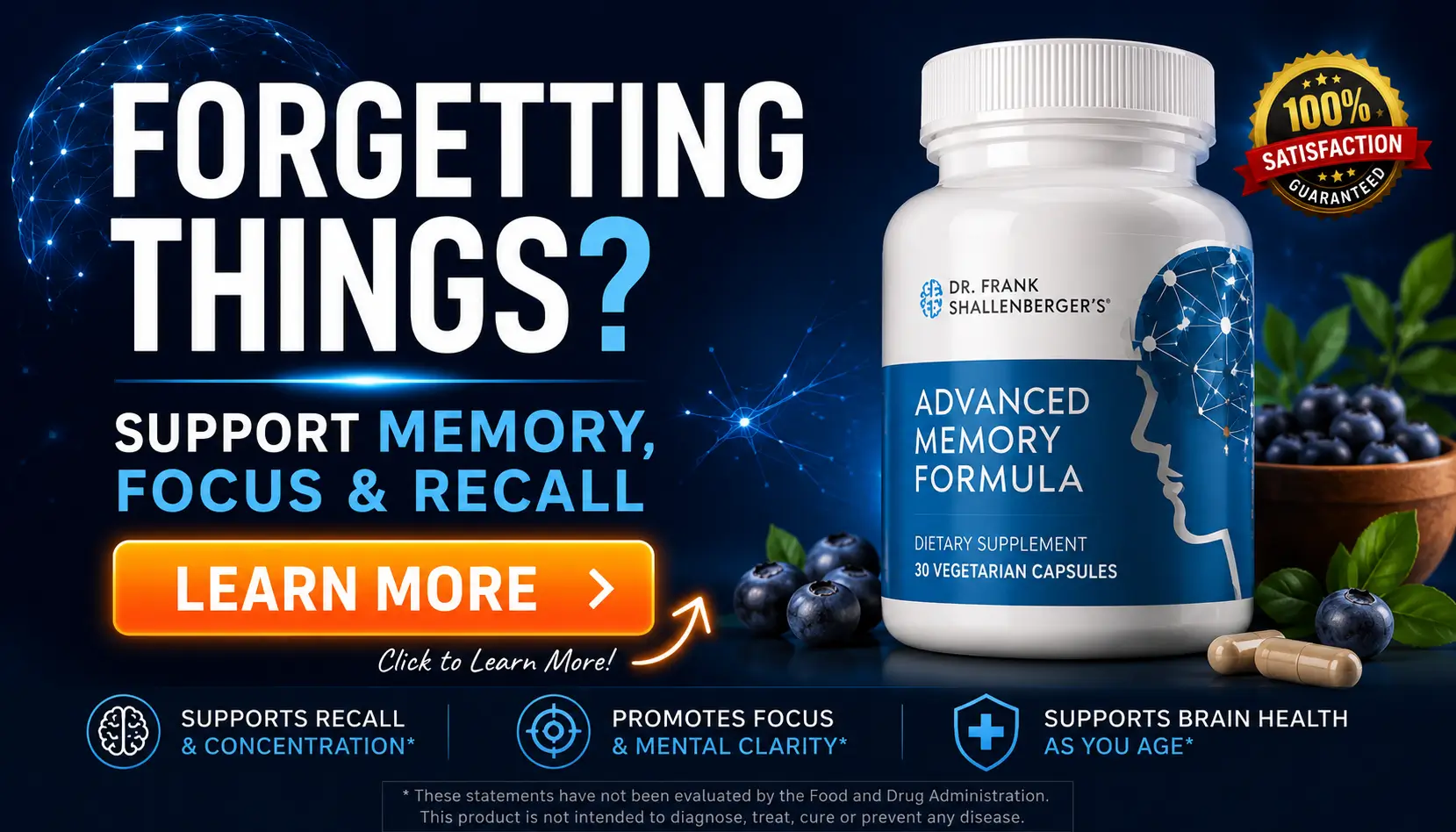
When students learn new information, working memory temporarily holds concepts while connections are being formed.
As understanding develops, some of that information may eventually become part of long-term memory.
This is one reason working memory is often considered the gateway to learning.
If information cannot be processed effectively in working memory, long-term retention becomes more difficult.
🔬 The Science Behind Working Memory
Modern cognitive psychology views working memory as one of the central systems involved in reasoning, comprehension, and learning.
Researchers have found that working memory capacity is strongly associated with academic performance, problem-solving ability, and cognitive functioning.
Although working memory has limitations, it plays a crucial role in helping people process and organize information.
Source: https://www.ncbi.nlm.nih.gov/books/NBK545136/
The key insight is simple:
Learning depends not only on what you know, but also on how much information you can manage while learning.
How Much Information Can Working Memory Hold?
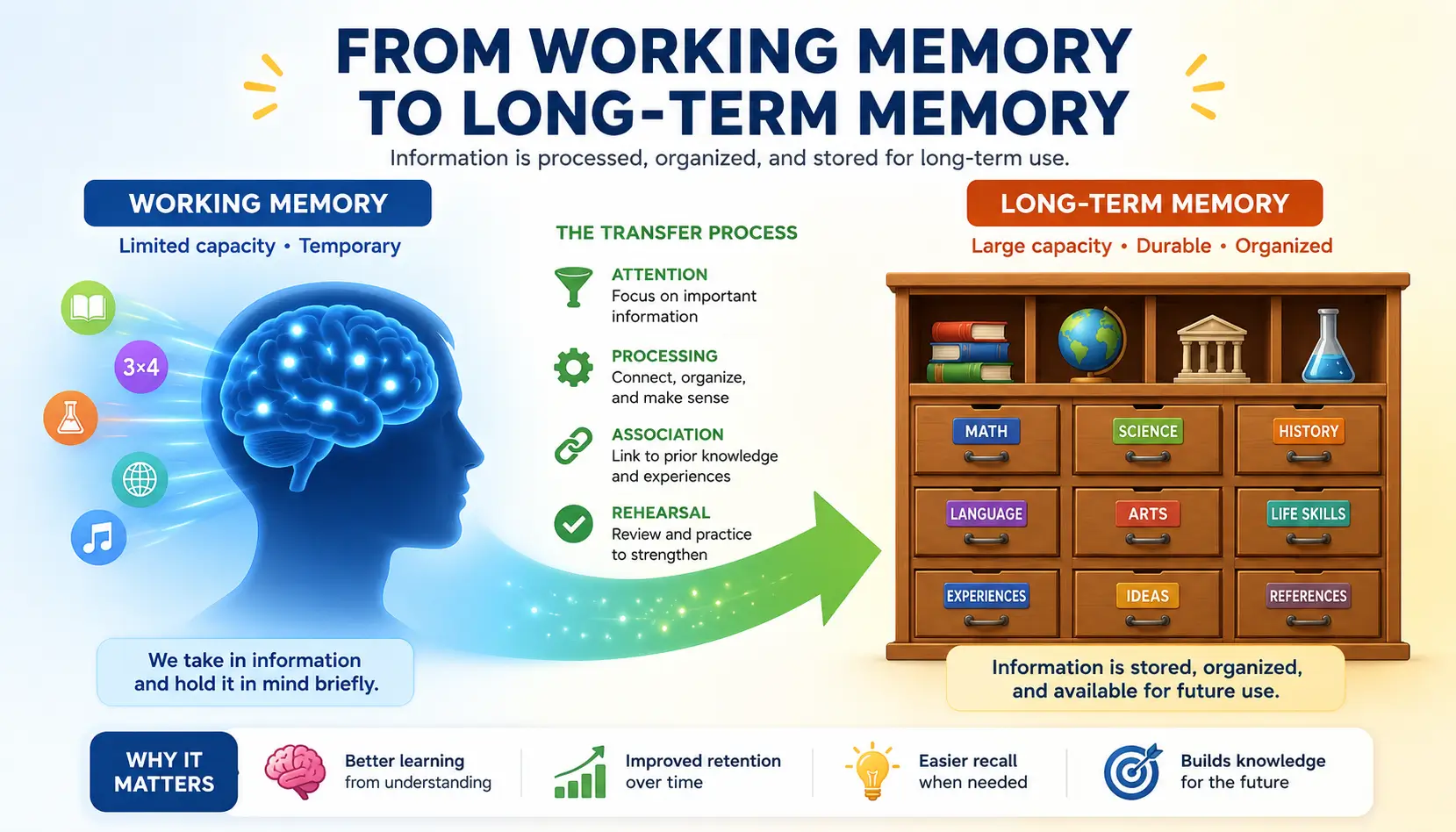
One of the defining characteristics of working memory is its limited capacity.
It can only manage a relatively small amount of information at any given time.
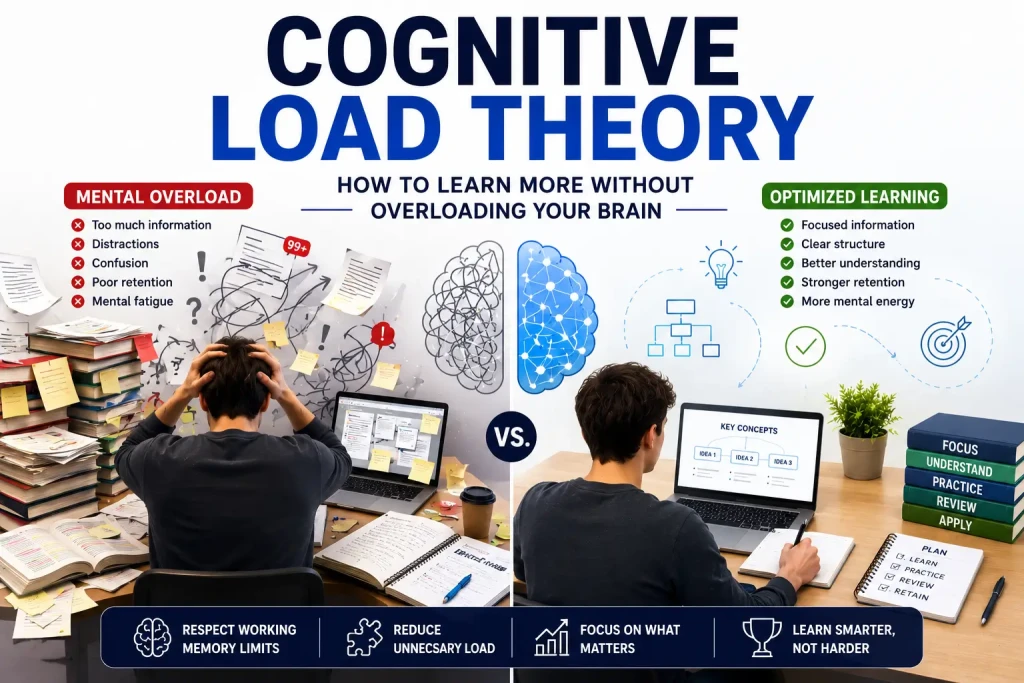
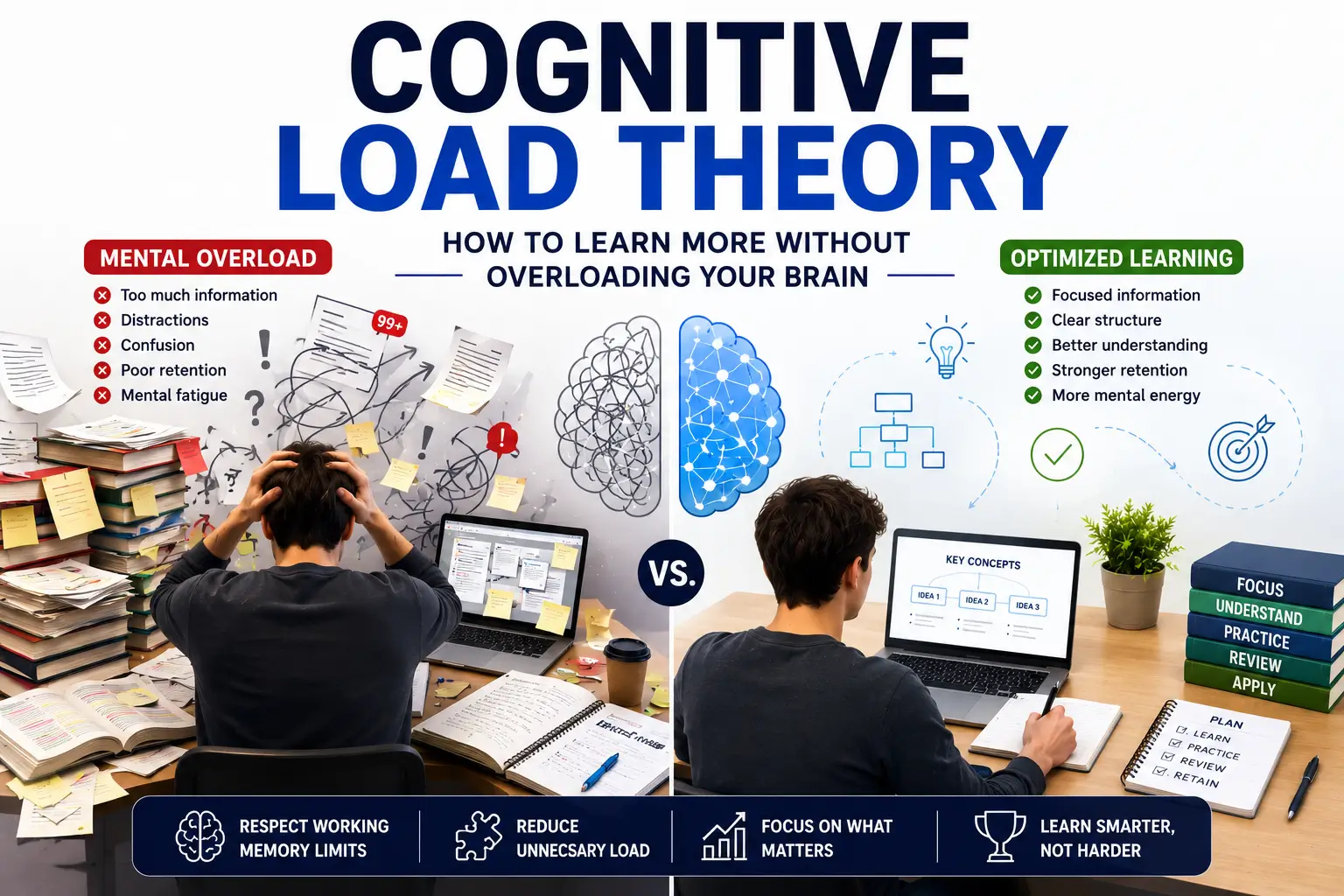
This limitation helps explain why people sometimes feel mentally overwhelmed when confronted with complex material.
Too much information competing for attention can exceed working memory capacity.
When that happens, learning becomes more difficult.
This idea forms the foundation of Cognitive Load Theory.
Working Memory and Attention
Working memory and attention are closely connected.
Attention determines what information enters working memory.
Working memory then processes that information.
Distractions can interfere with this process by consuming limited mental resources.
This is one reason multitasking often reduces performance.
When attention is divided, working memory must constantly switch between competing demands.
The result is usually reduced efficiency.
Working Memory and Problem-Solving
Problem-solving depends heavily on working memory.
To solve a problem, the brain often needs to hold multiple pieces of information simultaneously while evaluating possible solutions.
Examples include:
- Mathematics
- Programming
- Strategic planning
- Scientific reasoning
- Decision-making
The more efficiently working memory operates, the easier these tasks often become.
Why Beginners Struggle More Than Experts
Experts frequently appear to process information effortlessly.
However, this advantage is often not due to larger working memory capacity.
Instead, experts rely on knowledge structures already stored in long-term memory.
Because they already understand key concepts, fewer working memory resources are required.
This allows them to focus on higher-level thinking.
Beginners, by contrast, must process many individual elements simultaneously.
This places greater demands on working memory.
Working Memory and Chunking
One of the most effective ways to reduce working memory demands is through Chunking.
Chunking groups individual pieces of information into larger meaningful units.
This allows working memory to handle information more efficiently.
For example, remembering a sequence as a single meaningful pattern is often easier than remembering each element separately.
Chunking effectively expands the usefulness of working memory by improving organization.
Working Memory and Dual Coding
Dual Coding Theory can also support working memory.
By combining words and visuals, learners distribute information across multiple processing systems.
This often reduces mental strain and improves understanding.
Visual representations provide additional support when working memory resources become stretched.
Can Working Memory Be Improved?
This is one of the most common questions in cognitive science.
Researchers continue to debate the extent to which working memory capacity itself can be increased.
However, most experts agree that people can improve how effectively they use working memory.
Rather than expanding capacity dramatically, effective learning strategies often reduce unnecessary demands on working memory.
This can make thinking, learning, and problem-solving feel significantly easier.
Working Memory and Active Recall
Active Recall supports learning by repeatedly retrieving information from memory.
Each retrieval attempt strengthens connections between working memory and long-term memory.
Instead of passively reviewing information, learners actively reconstruct knowledge.
This process improves both understanding and retention.
The more efficiently information can be retrieved, the less strain is placed on working memory during future learning.
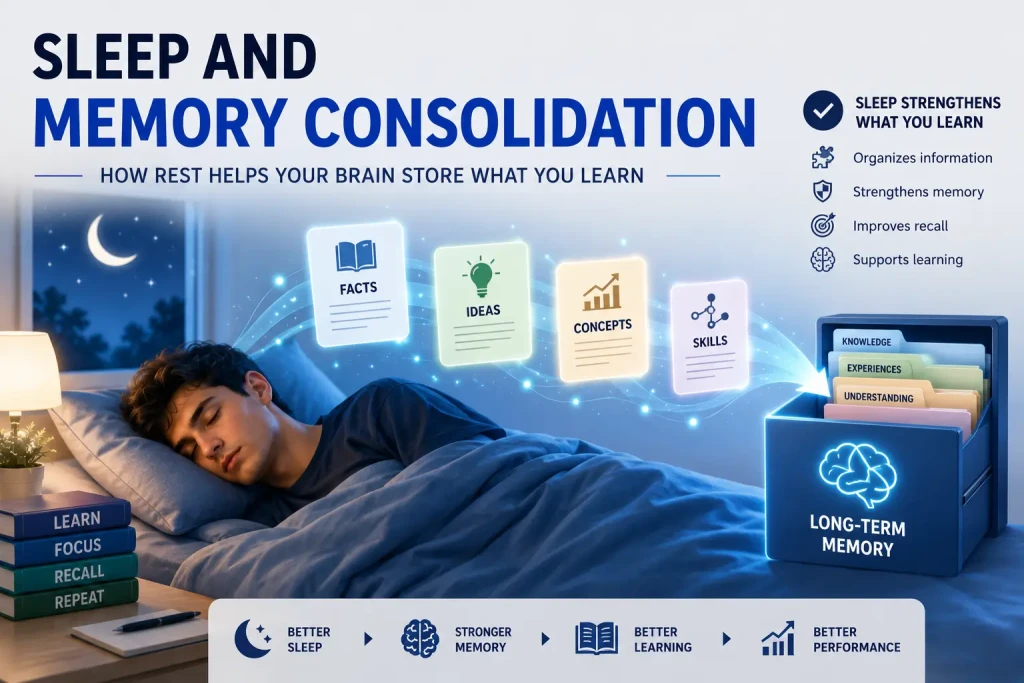
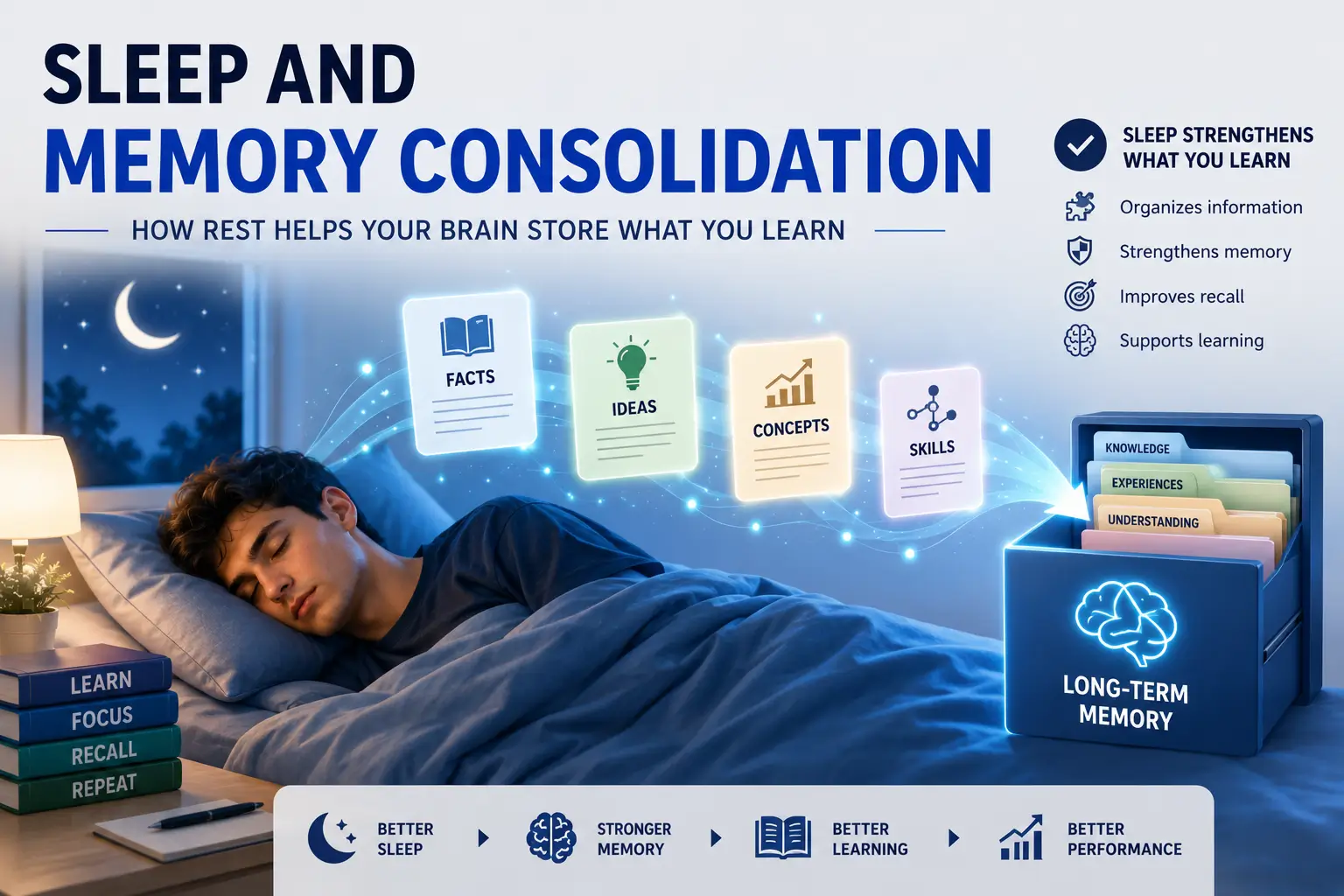
Working Memory and Memory Consolidation
Working memory plays an important role at the beginning of the learning process.
However, information must eventually move beyond temporary storage.
This is where Memory Consolidation becomes important.
Consolidation helps stabilize information and integrate it into long-term memory.
Once knowledge becomes well established, fewer working memory resources are needed to access and use it.
This transition is one reason learning often becomes easier with practice.
Signs of Working Memory Overload
Because working memory has limited capacity, overload can occur surprisingly quickly.
Common signs include:
- Difficulty concentrating
- Frequently forgetting instructions
- Losing track of thoughts
- Feeling mentally overwhelmed
- Making avoidable mistakes
- Difficulty following complex explanations
These experiences are common and do not necessarily indicate poor intelligence.
Often, they simply reflect the limits of working memory.
How Cognitive Load Affects Working Memory
The relationship between working memory and Cognitive Load Theory is extremely important.
Cognitive load refers to the mental effort required to process information.
When cognitive load becomes excessive, working memory struggles to manage competing demands.
Learning slows down.
Understanding becomes more difficult.
This is why effective instructional design focuses on reducing unnecessary complexity.
Protecting working memory often improves learning outcomes.
Strategies That Support Working Memory
Several evidence-based techniques can help learners use working memory more efficiently.
- Break complex tasks into smaller steps.
- Use visual aids when appropriate.
- Reduce distractions during study sessions.
- Apply chunking techniques.
- Review information strategically.
- Focus on one task at a time.
These strategies reduce unnecessary demands and allow working memory to focus on meaningful processing.
Small adjustments often produce noticeable improvements.
Working Memory in Everyday Life
Working memory influences far more than academic performance.
People rely on it constantly throughout the day.
Examples include:
- Following directions
- Planning activities
- Managing conversations
- Making decisions
- Cooking recipes
- Solving workplace problems
Almost any task involving active thinking depends on working memory to some degree.
Its influence extends far beyond the classroom.
Working Memory and Learning Efficiency
Many effective learning strategies can be understood through the lens of working memory.
Chunking reduces mental burden.
Dual Coding distributes information across multiple channels.
Metacognition helps learners recognize overload.
The Feynman Technique simplifies complexity.
Each of these methods helps learners use limited mental resources more effectively.
Together, they create a more efficient learning process.
Supporting Cognitive Performance and Memory Health
Working memory performance is influenced by multiple factors.
Sleep quality, stress levels, attention, physical activity, and overall cognitive health all play important roles.
Many learners combine evidence-based learning techniques with broader strategies that support long-term cognitive function.
Readers interested in memory-supportive nutritional approaches can learn more about Advanced Memory Formula.
The Mental Workspace Behind Learning
Working memory is often invisible, yet it influences nearly every aspect of thinking and learning.
It helps people hold information, solve problems, make decisions, and build new knowledge.
Although its capacity is limited, understanding how it works can help learners use it more effectively.
By reducing overload, organizing information, and applying evidence-based learning strategies, people can improve learning efficiency and support long-term memory formation.
Working memory may be temporary, but it plays a permanent role in learning.