
Now Reading: The Complete Guide to Memory: How Memory Works, Why We Forget, and Science-Backed Ways to Remember More
-
01
The Complete Guide to Memory: How Memory Works, Why We Forget, and Science-Backed Ways to Remember More
The Complete Guide to Memory: How Memory Works, Why We Forget, and Science-Backed Ways to Remember More
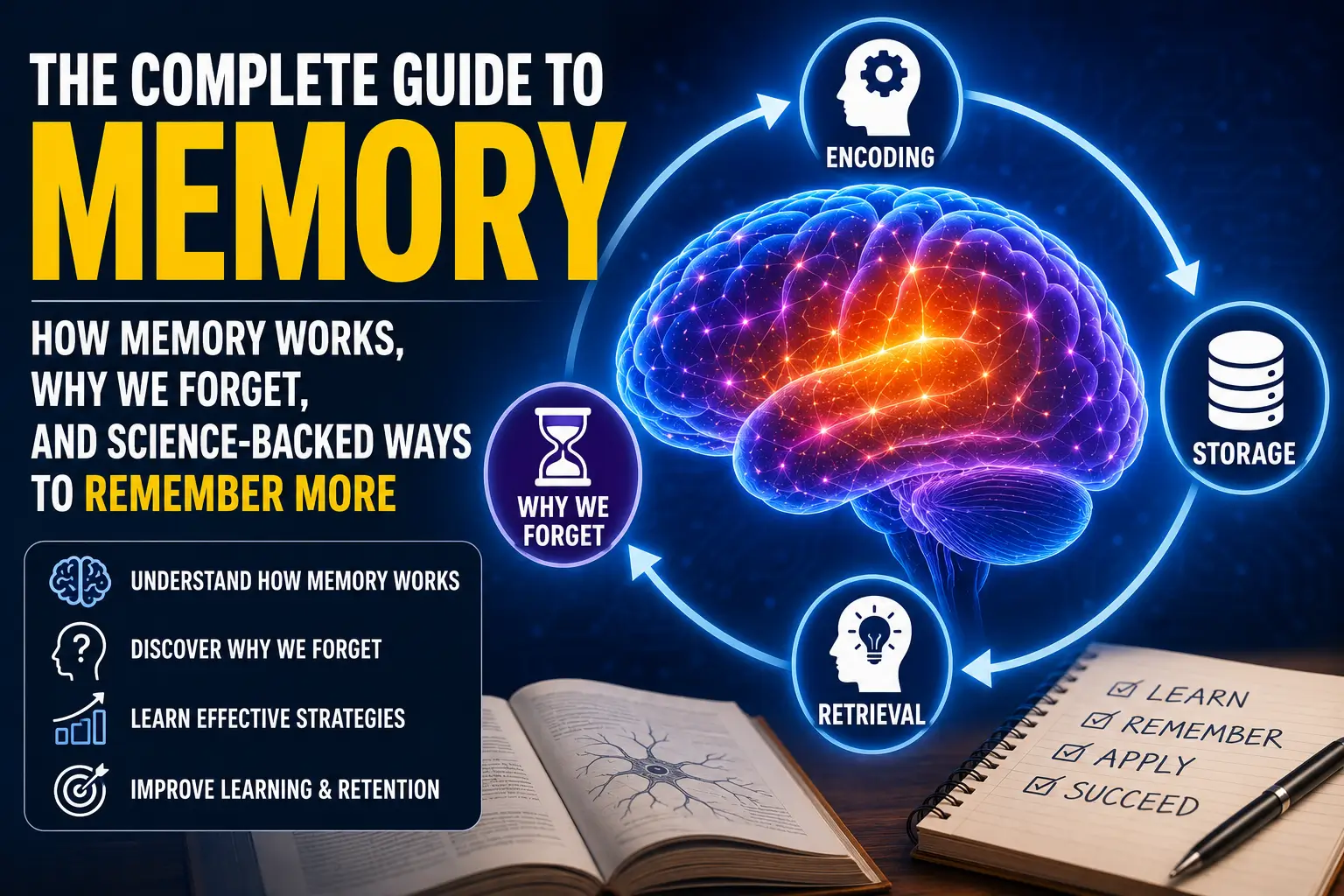
Memory is the brain’s ability to encode, store, and retrieve information. Modern cognitive science shows that memory is not a single system but a collection of interconnected processes that support learning, decision-making, problem-solving, and everyday life.
Whether you’re trying to remember names, study more effectively, improve academic performance, or simply understand how the brain works, memory plays a central role in nearly everything you do.
This guide explains how memory works, why forgetting occurs, the different types of memory, and the most effective evidence-based techniques for improving recall and retention.
Throughout this guide, you’ll also find links to more detailed articles covering specific memory systems, learning strategies, and cognitive processes.
What Is Memory?
Memory is the process through which information is encoded, stored, and later retrieved when needed.
Without memory, learning would be impossible because every experience would disappear the moment it ended.
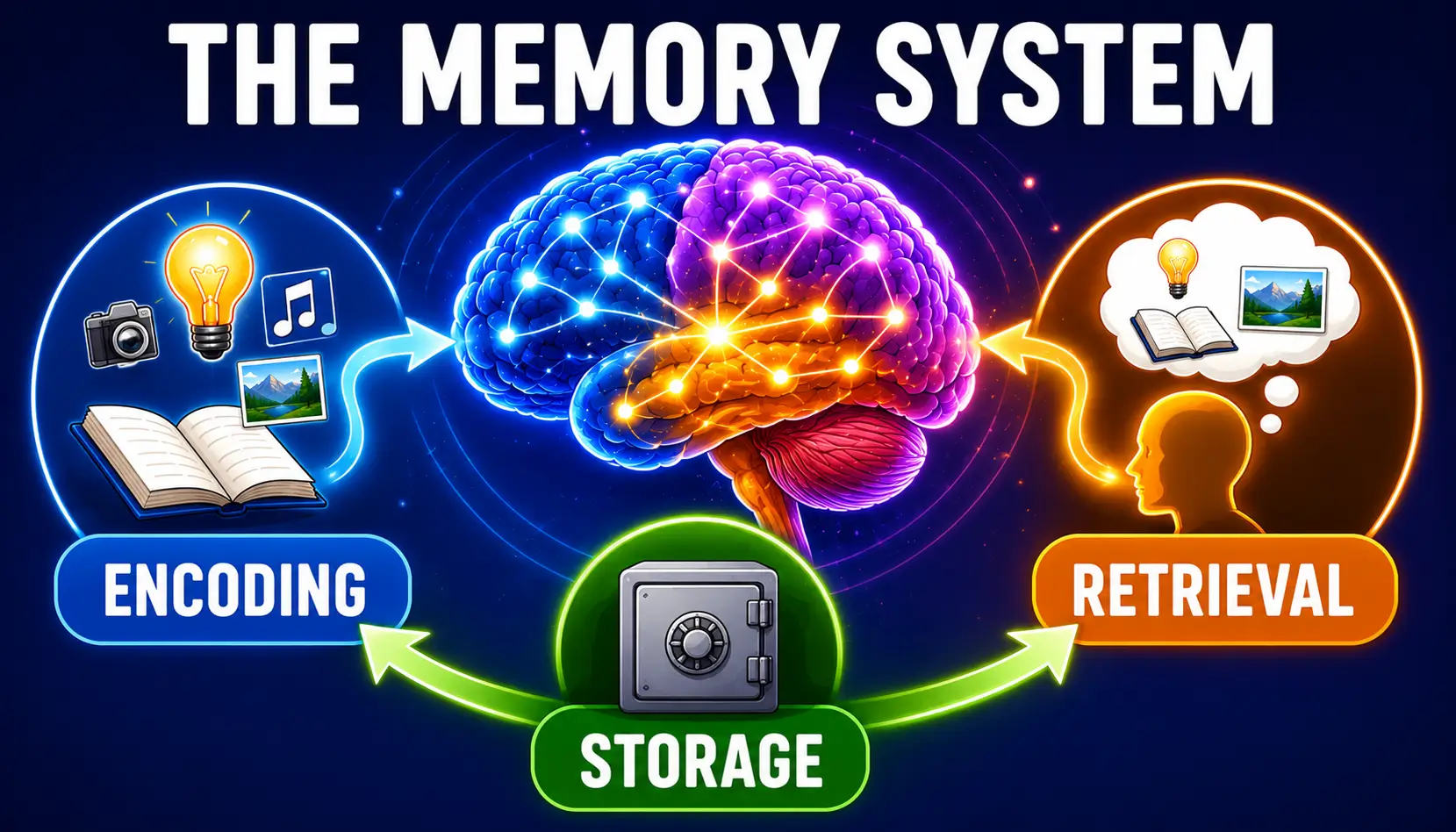
Researchers typically describe memory as three interconnected stages:
- Encoding – converting information into a usable memory trace.
- Storage – maintaining information over time.
- Retrieval – accessing stored information when needed.
Although these stages are often described separately, they constantly interact throughout daily life.
Learn more about Memory Encoding and Memory Retrieval.
The Three Major Stages of Memory
Encoding
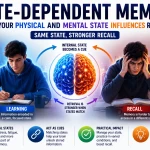
To go deeper into how learning conditions shape later recall, read the Encoding Specificity Principle.
Encoding is the first step of memory formation.
During encoding, information from the environment is transformed into a form the brain can process and store.
Deep processing generally produces stronger memories than shallow processing.
This principle is explained by the Levels of Processing Theory.
Storage
Once encoded, information must be stored.
Storage can last for seconds, days, years, or even an entire lifetime depending on the type of memory involved.
Retrieval
For a practical explanation of the prompts and signals that help stored information become accessible again, see retrieval cues.
Retrieval occurs when stored information is brought back into conscious awareness.
Successful retrieval allows people to recall facts, experiences, skills, and learned concepts.


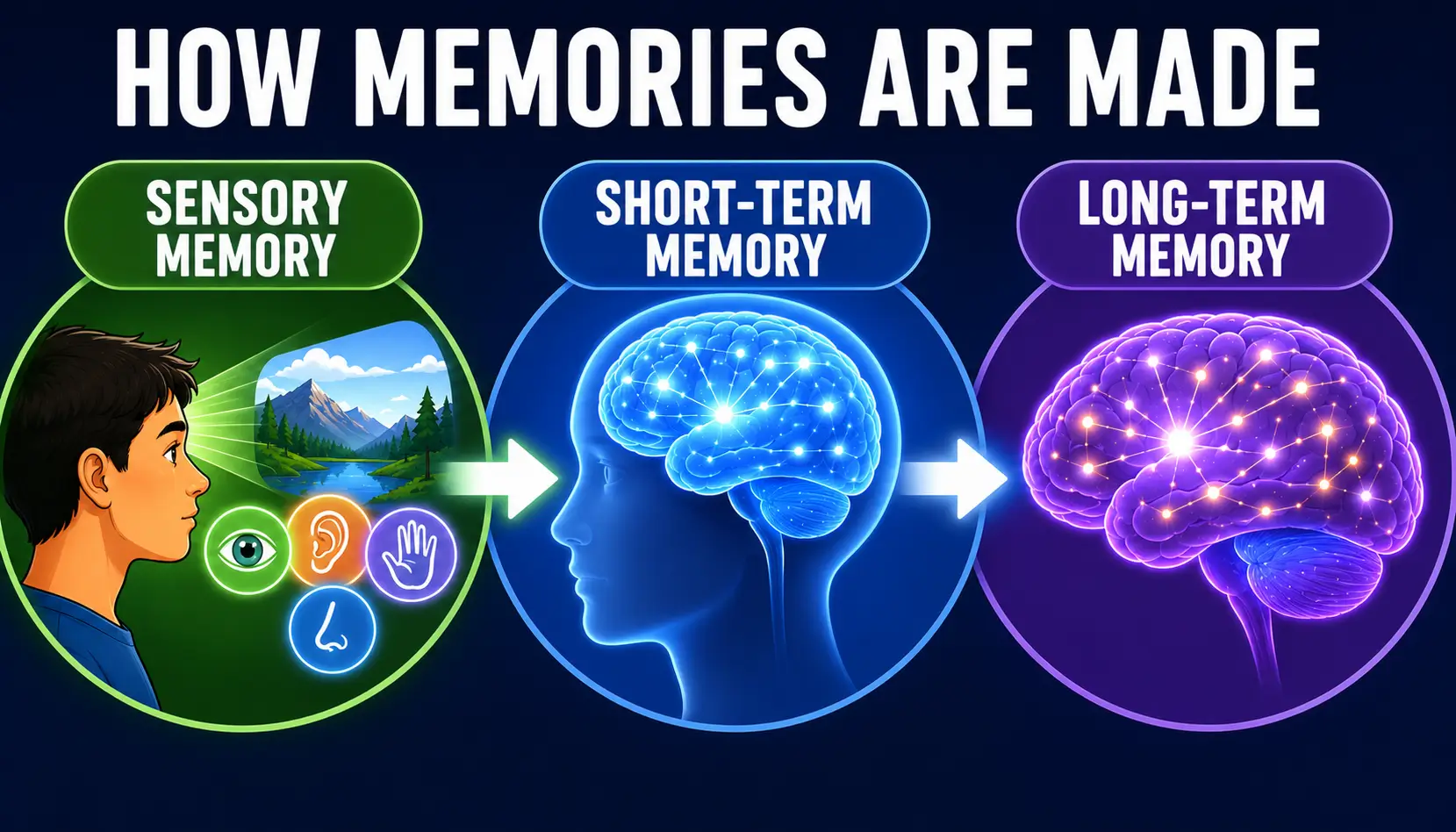
Memory Systems: How Information Moves Through the Brain
Memory researchers typically divide memory into several major systems.
Sensory Memory
Sensory memory briefly stores incoming information from the environment.
Visual, auditory, and sensory inputs pass through this stage before attention determines what moves forward.
Read: Sensory Memory Explained.
Short-Term Memory
Short-term memory temporarily holds information for immediate use.
Its capacity is limited, making it vulnerable to forgetting and distraction.
Read: Short-Term Memory Explained.
Working Memory
Working memory actively manipulates information while performing tasks such as problem-solving, reading, and reasoning.
Read: Working Memory Explained.
Long-Term Memory
Long-term memory stores information over extended periods.
This system contains knowledge, experiences, habits, and learned skills.
Read: Long-Term Memory Explained.
Types of Long-Term Memory
Long-term memory is not a single structure. It contains multiple specialized systems.
Episodic Memory
Episodic memory stores personal experiences and life events.
Read: Episodic Memory Explained.
Semantic Memory
Semantic memory contains facts, concepts, and general knowledge.
Read: Semantic Memory Explained.
Procedural Memory
Procedural memory supports skills, habits, and learned behaviors.
Read: Procedural Memory Explained.
Declarative Memory
Declarative memory refers to information that can be consciously recalled and described.
Read: Declarative Memory Explained.
Autobiographical Memory
Autobiographical memory combines personal experiences with self-knowledge and identity.
Read: Autobiographical Memory Explained.
Prospective Memory
Prospective memory helps people remember future intentions and planned actions.
Read: Prospective Memory Explained.
Why We Forget
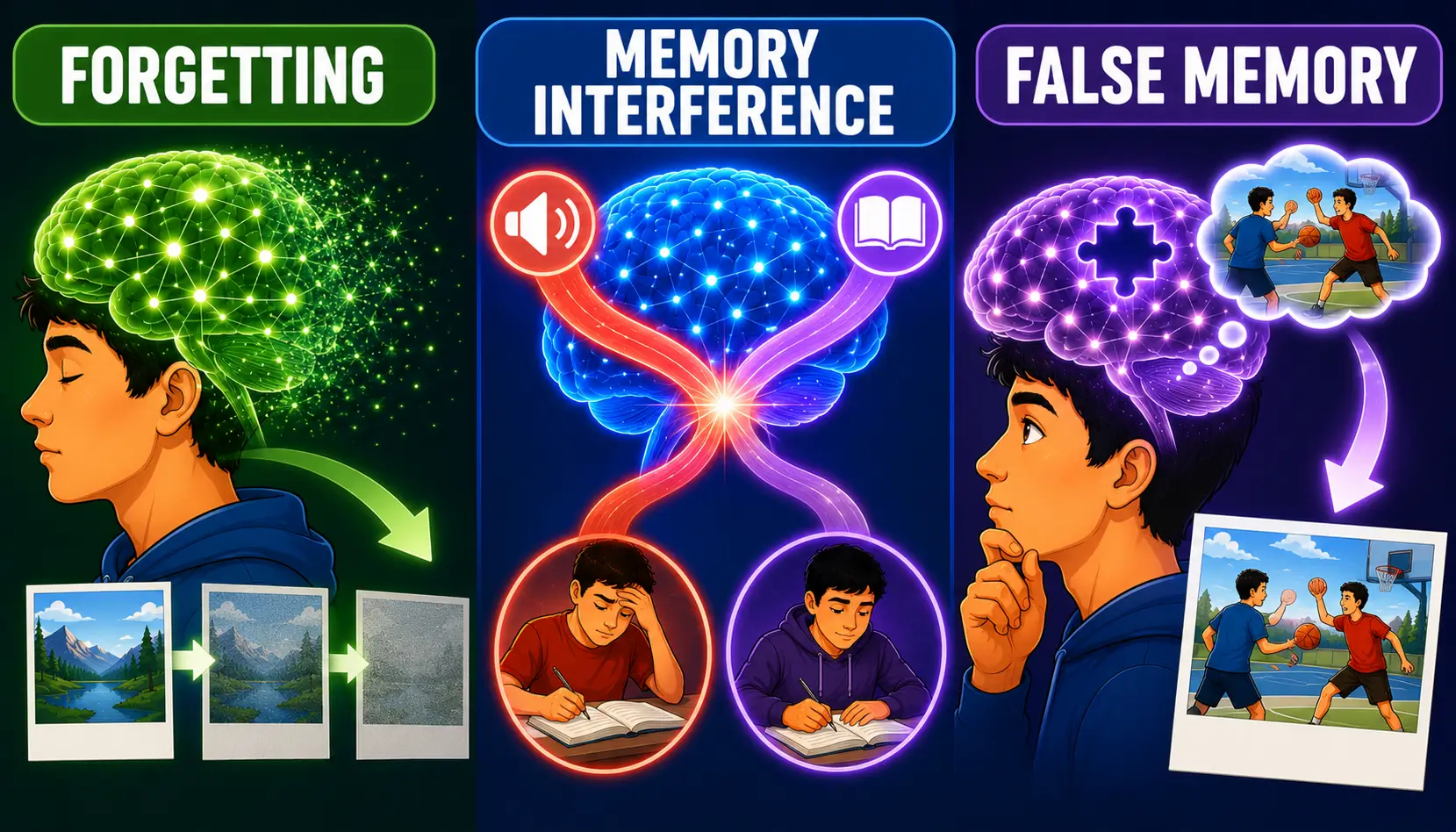
Forgetting is a normal and necessary part of memory function.
The brain constantly filters information, prioritizing what appears most useful while allowing less relevant information to fade over time.
Several major theories explain forgetting.
The Forgetting Curve
One of the most influential discoveries in memory research came from Hermann Ebbinghaus, who demonstrated that memory retention declines rapidly without review.
Read: Ebbinghaus Forgetting Curve.
Memory Interference
Sometimes memories compete with one another during retrieval.
New information may disrupt older memories, while older memories may interfere with newly learned material.
Read: Memory Interference Explained.
Retrieval Failure
In some cases, information remains stored in memory but cannot be accessed when needed.
Read: Retrieval Failure Explained.
Why Memories Change Over Time
Many people assume memories remain fixed once they are created.
Research suggests otherwise.
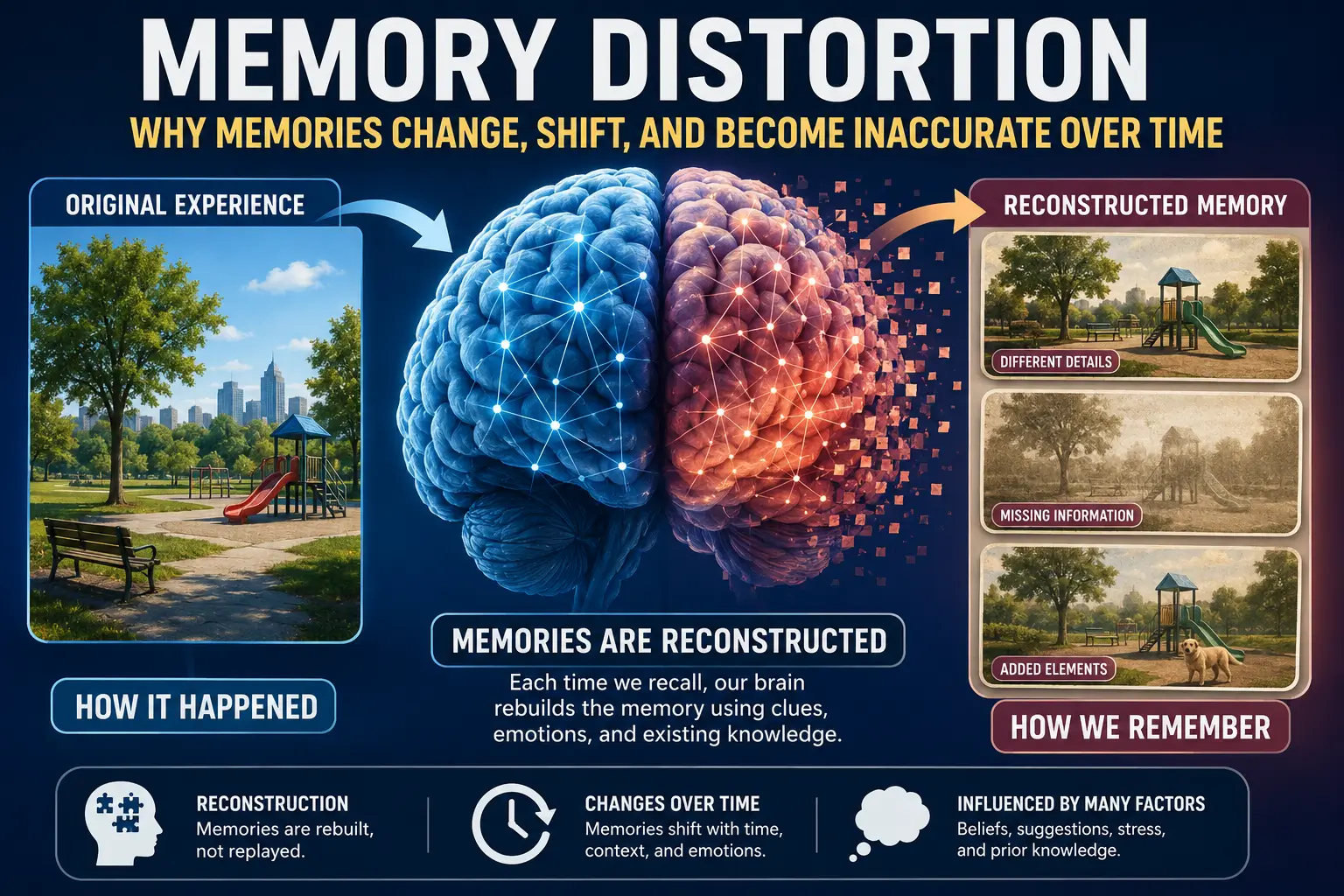
Memories are often reconstructed whenever they are recalled, making them vulnerable to change.
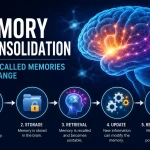
Memory Reconsolidation
Every retrieval event can potentially modify an existing memory before it is stored again.
Read: Memory Reconsolidation Explained.
False Memories
Sometimes memory reconstruction introduces inaccuracies, creating memories that differ from reality.
Read: False Memory Explained.
This flexibility allows memory to adapt, but it also means human memory is not a perfect recording device.
Recognition vs Recall: Two Different Ways of Remembering
Memory retrieval can occur in multiple ways.
Recognition involves identifying information when it is presented.
Recall requires generating information from memory without seeing the answer.
Both processes are important, but recall generally demands greater cognitive effort.
Read:
Memory Consolidation: Turning Learning Into Long-Term Knowledge
Learning does not end when studying stops.
After information is acquired, the brain continues strengthening and stabilizing memory traces through consolidation.
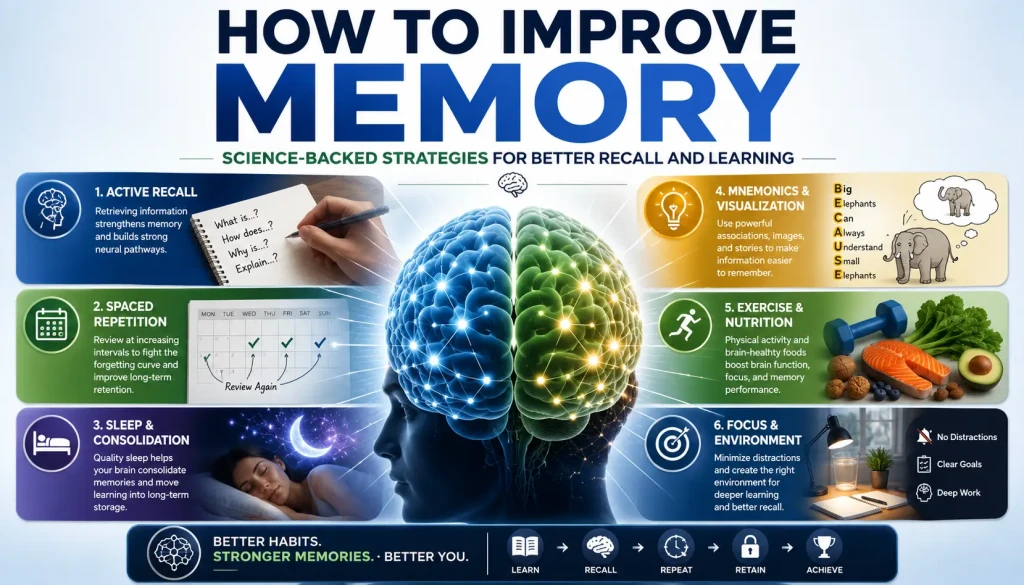
Sleep plays a particularly important role during this process.
Read:
Science-Backed Techniques for Improving Memory
For a faster execution-oriented approach to learning large amounts of information, see How to Memorize Faster.
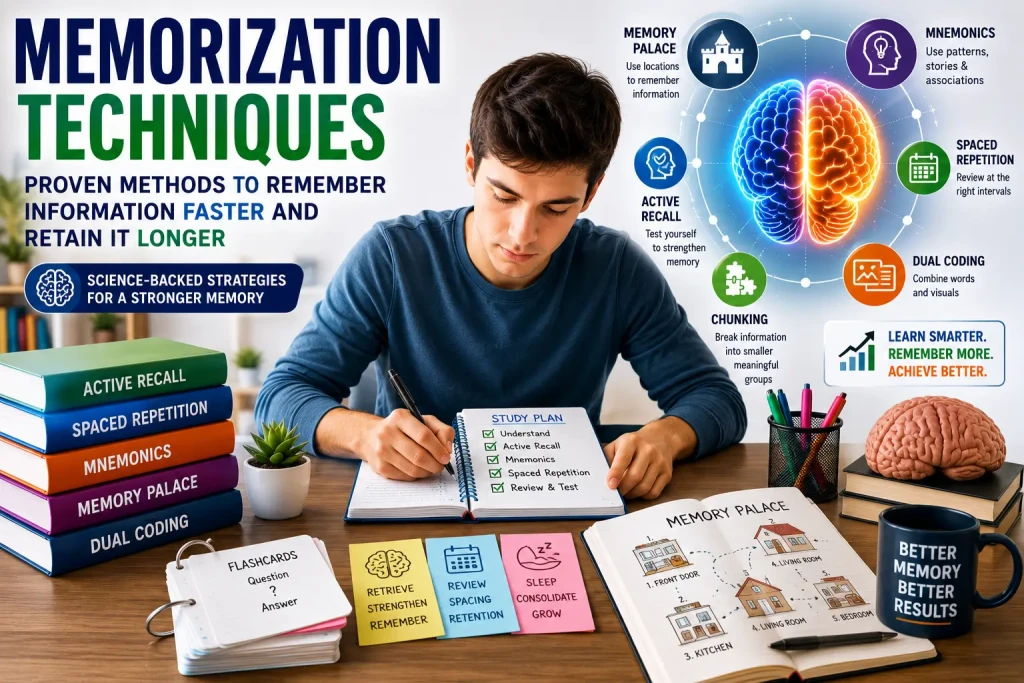
Readers who want a tactics-focused roundup can continue with Memorization Techniques for a broader toolbox of practical methods.
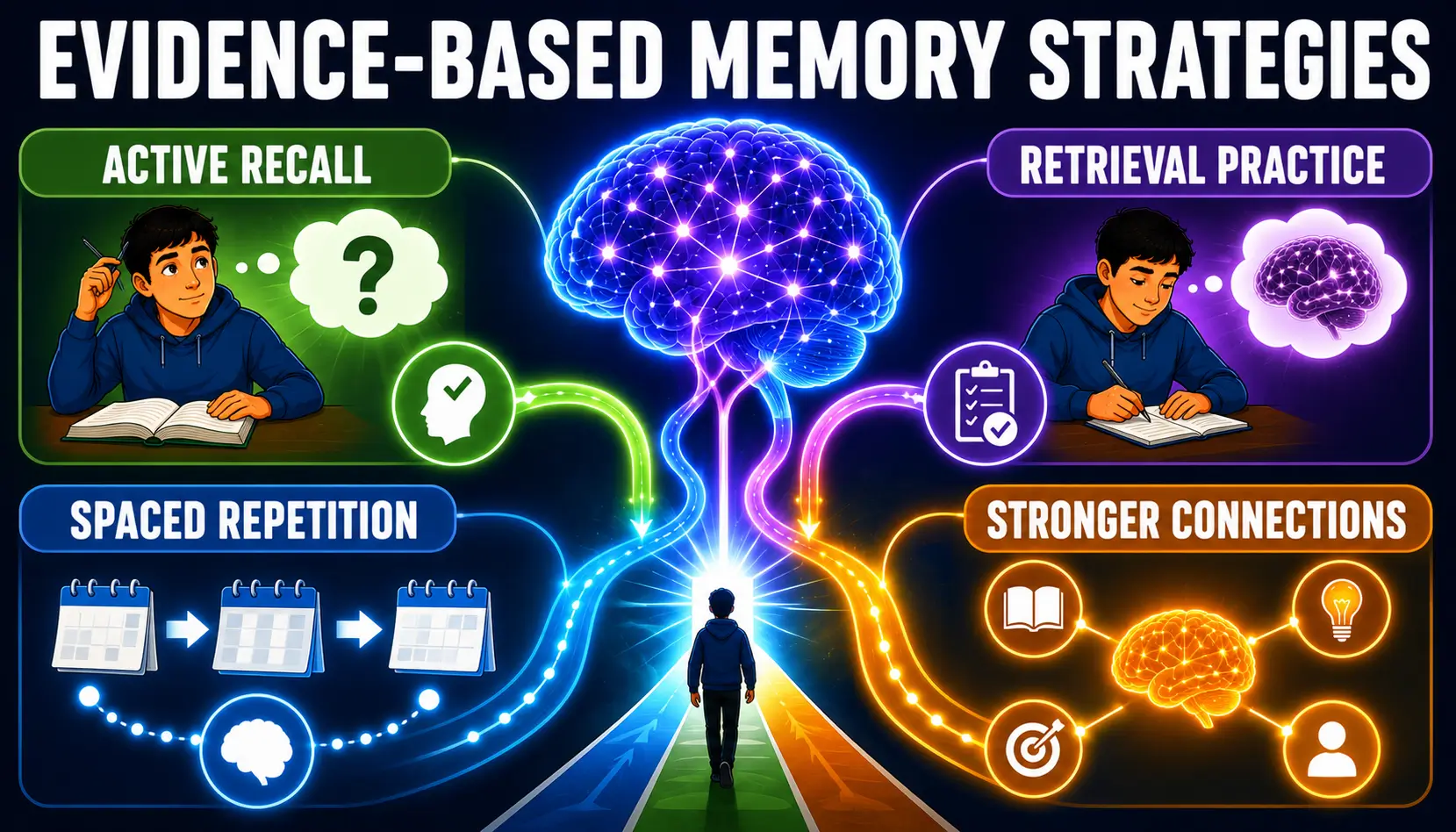
Decades of research have identified several highly effective methods for improving learning and retention.
Active Recall
Instead of rereading information, actively retrieve it from memory.
Read: Active Recall.
Retrieval Practice
Frequent self-testing strengthens memory pathways and improves long-term retention.
Read: Retrieval Practice.
Spaced Repetition
Reviewing information at increasing intervals helps combat forgetting.
Read: Spaced Repetition.
Interleaving
Mixing related topics during study sessions improves long-term learning.
Read: Interleaving.
The Feynman Technique
Teaching concepts in simple language reveals gaps in understanding and improves learning.
Read: The Feynman Technique.
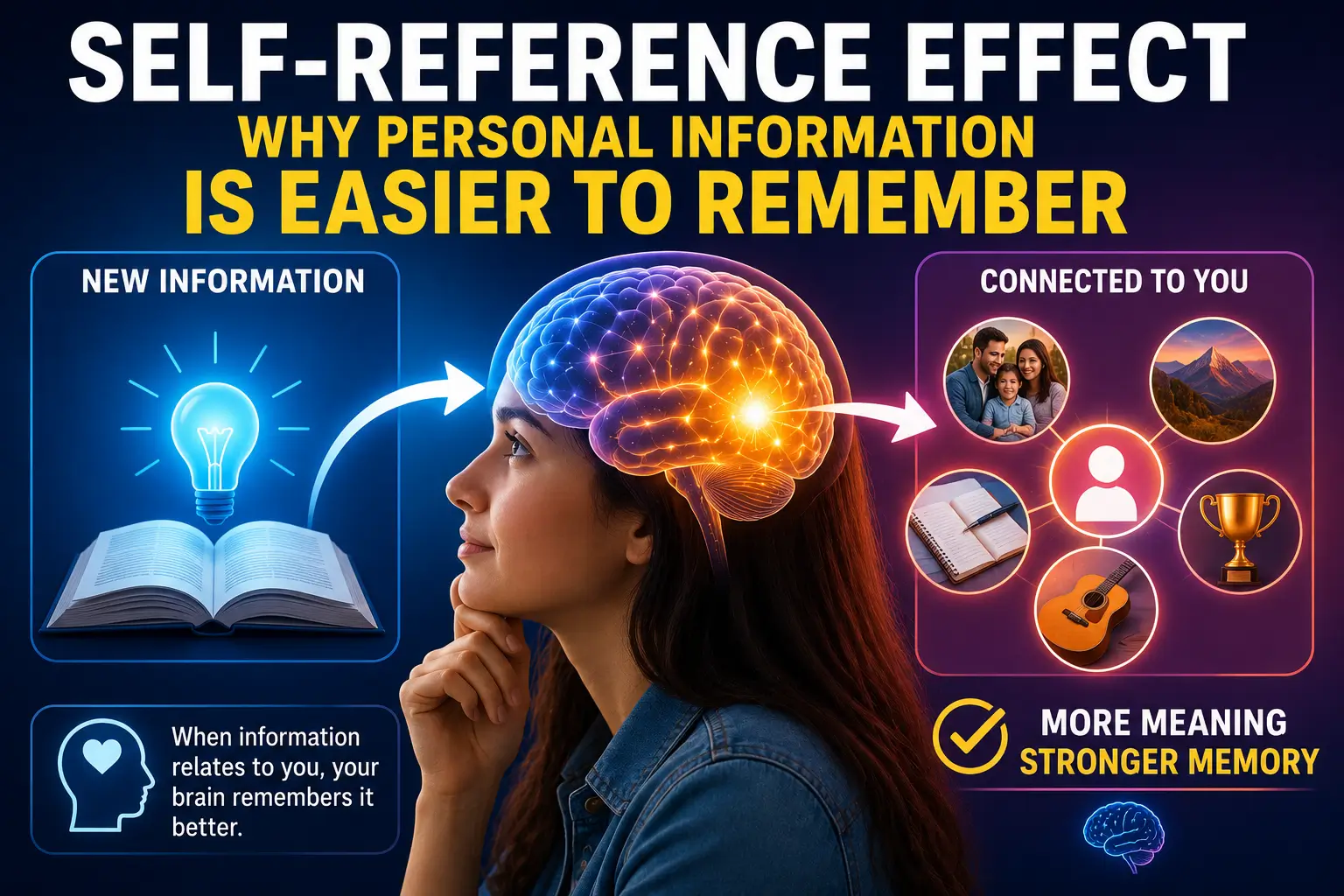
Self-Reference Effect
Information connected to personal experiences is often remembered more effectively.
Read: Self-Reference Effect Explained.
Frequently Asked Questions
What is memory?
Memory is the brain’s ability to encode, store, and retrieve information over time.
Why do we forget information?
Forgetting may result from memory decay, interference, retrieval failure, or insufficient reinforcement through practice.
What is the most effective way to improve memory?
Research consistently supports active recall, retrieval practice, spaced repetition, and meaningful learning strategies.
Does sleep improve memory?
Yes. Sleep supports memory consolidation and helps stabilize newly learned information.
Putting Memory Science Into Practice
When organizing lists, study sets, or sequences, the Serial Position Effect offers a useful explanation for why some items are remembered more easily than others.
Readers who want to spread review across time instead of cramming should also explore Distributed Practice.
To turn memory principles into a repeatable weekly system, use this Study Schedule guide.
Study timing also matters, so Best Time to Study helps readers decide when learning and review are most likely to stick.
For learners who first need stronger concentration before retention can improve, How to Focus on Studying is the best practical next step.
To apply these ideas while reading, reviewing, and retaining written material, read How to Remember What You Read.
Memory is one of the most important functions of the human brain.
It allows people to learn, adapt, solve problems, build relationships, and develop expertise throughout life.
Modern research has revealed that memory is not a single system but a collection of interconnected processes that work together to support learning and recall.
Understanding these processes can help anyone become a more effective learner and make better use of the brain’s remarkable ability to store and retrieve information.
Readers interested in supporting memory performance and cognitive health can learn more about Advanced Memory Formula, a supplement designed to support healthy brain function as part of a broader memory-focused lifestyle.
Related Topics
- How to Improve Memory: Science-Backed Strategies for Better Recall and Learning
- Active Recall: The Science-Backed Study Method for Long-Term Memory
- Memory Retention: How to Improve Learning, Recall, and Information Storage
- Long-Term Memory: How Information Is Stored, Retained, and Retrieved
- Working Memory Explained: The Brain System Behind Learning, Focus, and Recall
Sources
- https://www.apa.org/topics/memory
- https://www.britannica.com/science/memory-psychology
- https://www.nimh.nih.gov
- https://www.simplypsychology.org/memory.html