
Now Reading: Self-Reference Effect Explained: Why Personal Information Is Easier to Remember
-
01
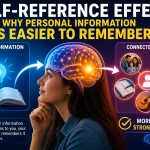
Self-Reference Effect Explained: Why Personal Information Is Easier to Remember
Self-Reference Effect Explained: Why Personal Information Is Easier to Remember
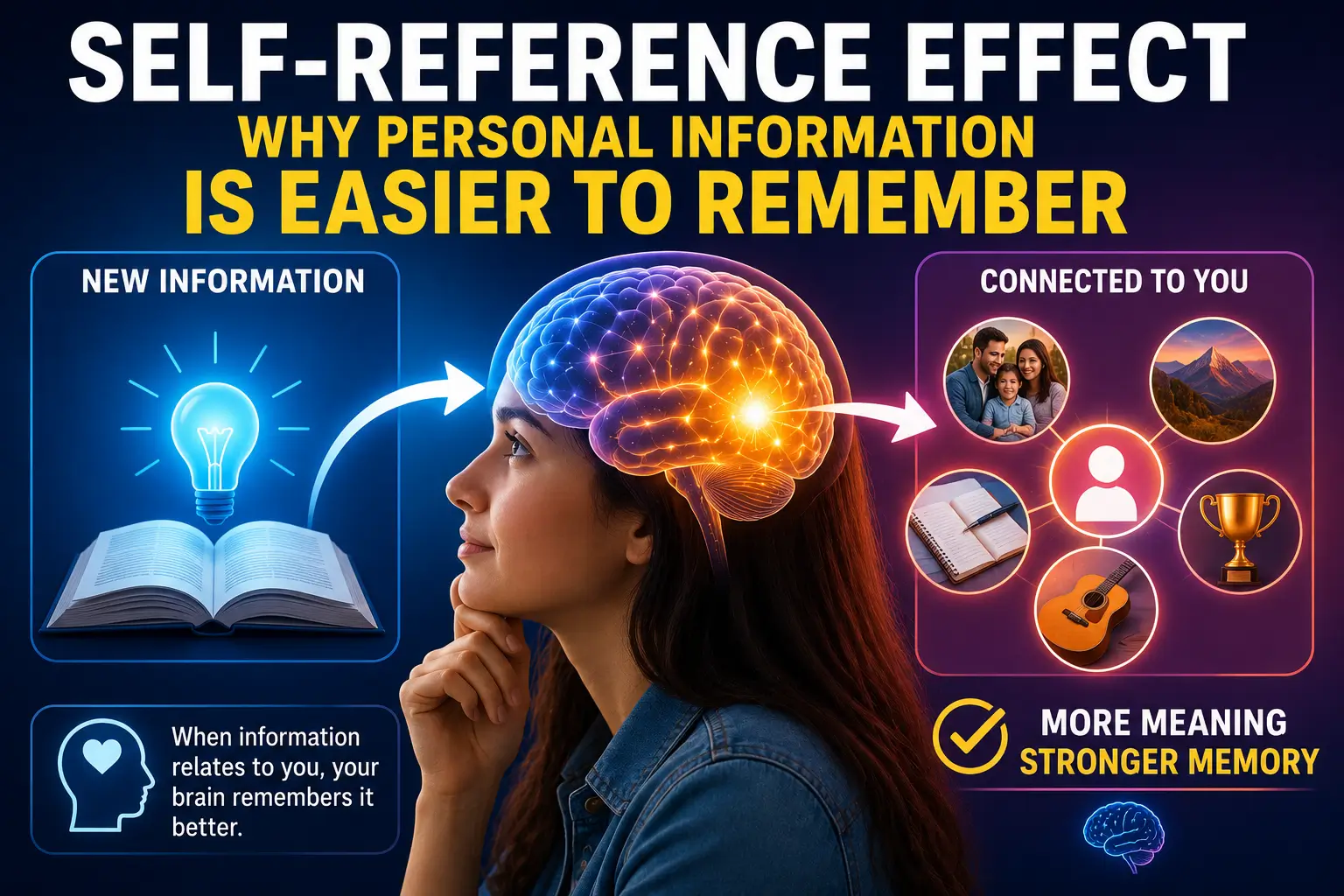
Why do some pieces of information stay in memory for years while others disappear within hours?
One reason involves a powerful psychological phenomenon known as the self-reference effect.
The self-reference effect refers to the tendency for information related to ourselves to be remembered better than information processed in less personal ways.
When people connect new information to their experiences, goals, beliefs, or identity, memory performance often improves significantly.
Researchers have consistently found that self-related processing produces stronger memory retention than many other forms of learning.
This effect helps explain why personal stories are easier to remember than isolated facts and why meaningful learning often outperforms rote memorization.
What Is the Self-Reference Effect?
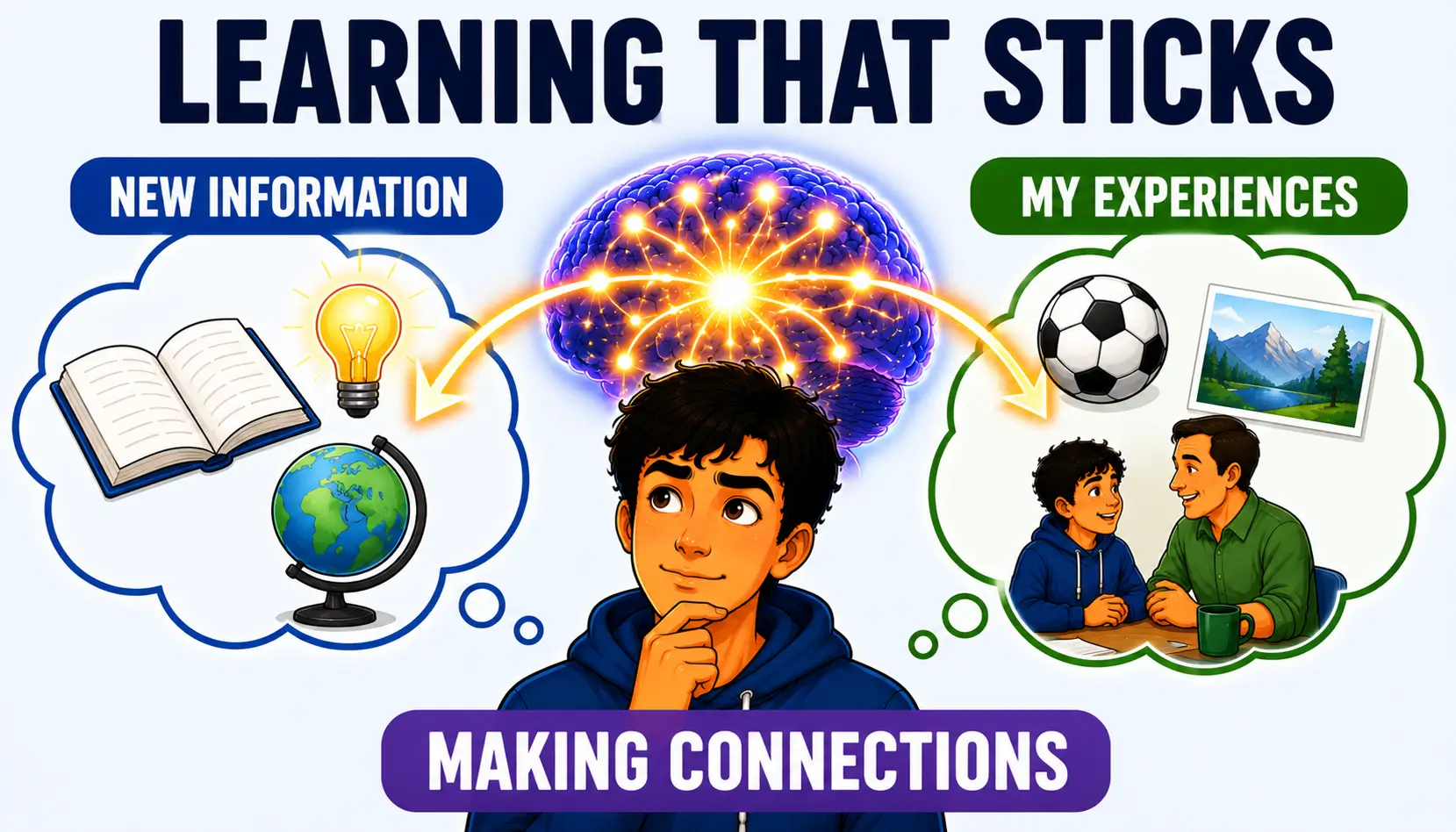
The self-reference effect is a memory advantage that occurs when information is processed in relation to oneself.
Rather than simply reading or repeating information, the learner actively considers how the material relates to their own life.
This deeper level of processing creates stronger memory traces and improves later recall.
For example, remembering the word “organized” becomes easier if you think about whether it accurately describes your personality.
Because the information becomes personally meaningful, the brain gives it additional attention during encoding.
How the Self-Reference Effect Works
The brain naturally prioritizes information that appears relevant to personal goals, experiences, and survival.
When information is linked to the self, multiple memory pathways become involved.
The learner is no longer processing information at a superficial level.
Instead, the information becomes connected to existing knowledge, emotions, and autobiographical experiences.
This richer network of associations makes retrieval easier in the future.
The process shares similarities with Elaborative Rehearsal, which strengthens learning by creating meaningful connections.

Research Behind the Self-Reference Effect
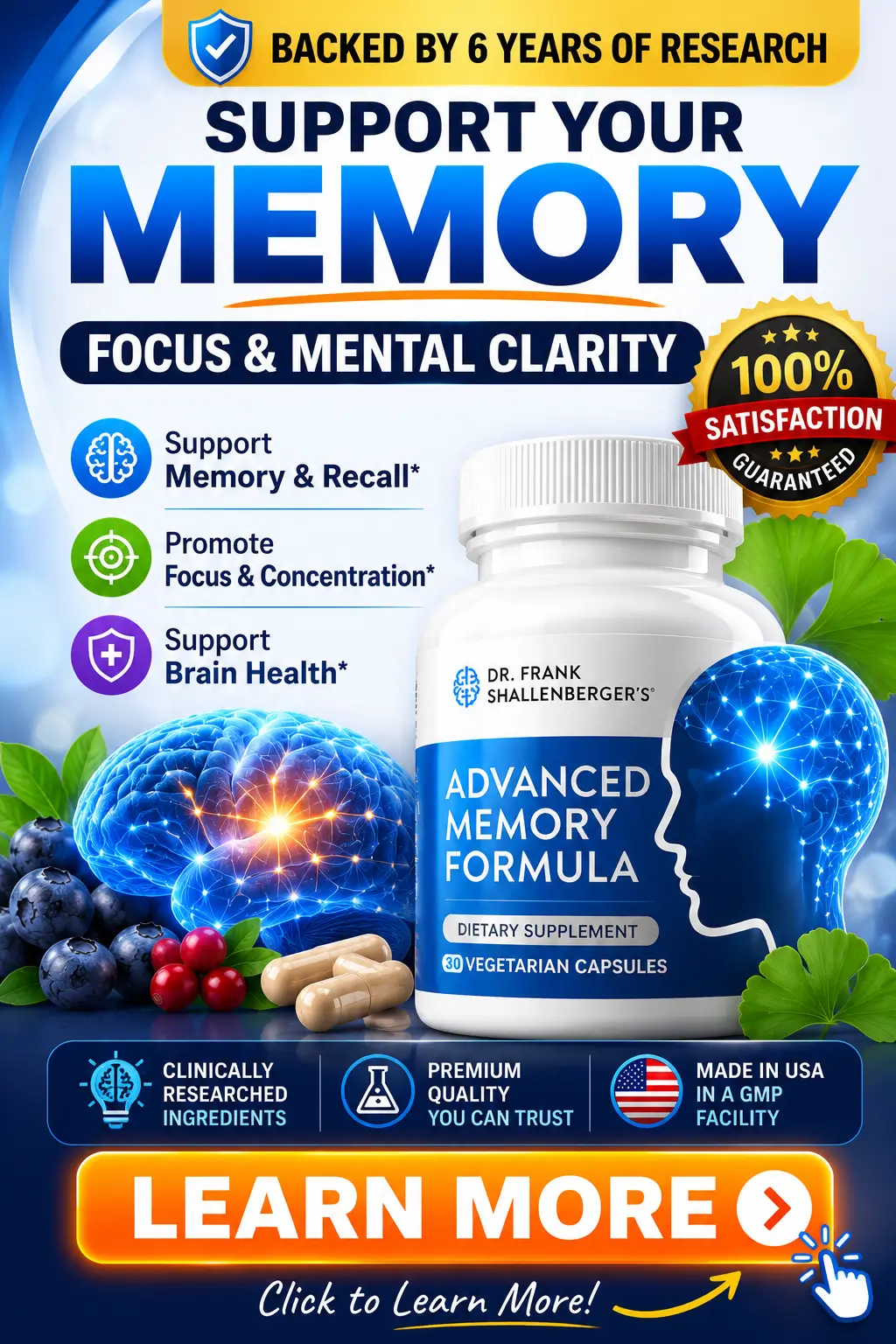
Psychologists have studied the self-reference effect for decades.
In classic experiments, participants were asked to process words using different methods.
Some focused on physical characteristics of words, while others evaluated whether the words described themselves.
Words processed in relation to the self were remembered far more often during later testing.
These findings have been replicated across numerous studies and age groups.
The evidence suggests that self-related processing is one of the most effective natural memory enhancers available.
Why Personal Relevance Improves Memory
Several mechanisms contribute to the self-reference effect.
- Greater attention during encoding.
- Deeper cognitive processing.
- Stronger emotional involvement.
- More retrieval pathways.
- Connections to existing autobiographical knowledge.
Together, these factors increase the likelihood that information will remain accessible over time.
Examples of the Self-Reference Effect
The self-reference effect appears in many everyday situations.
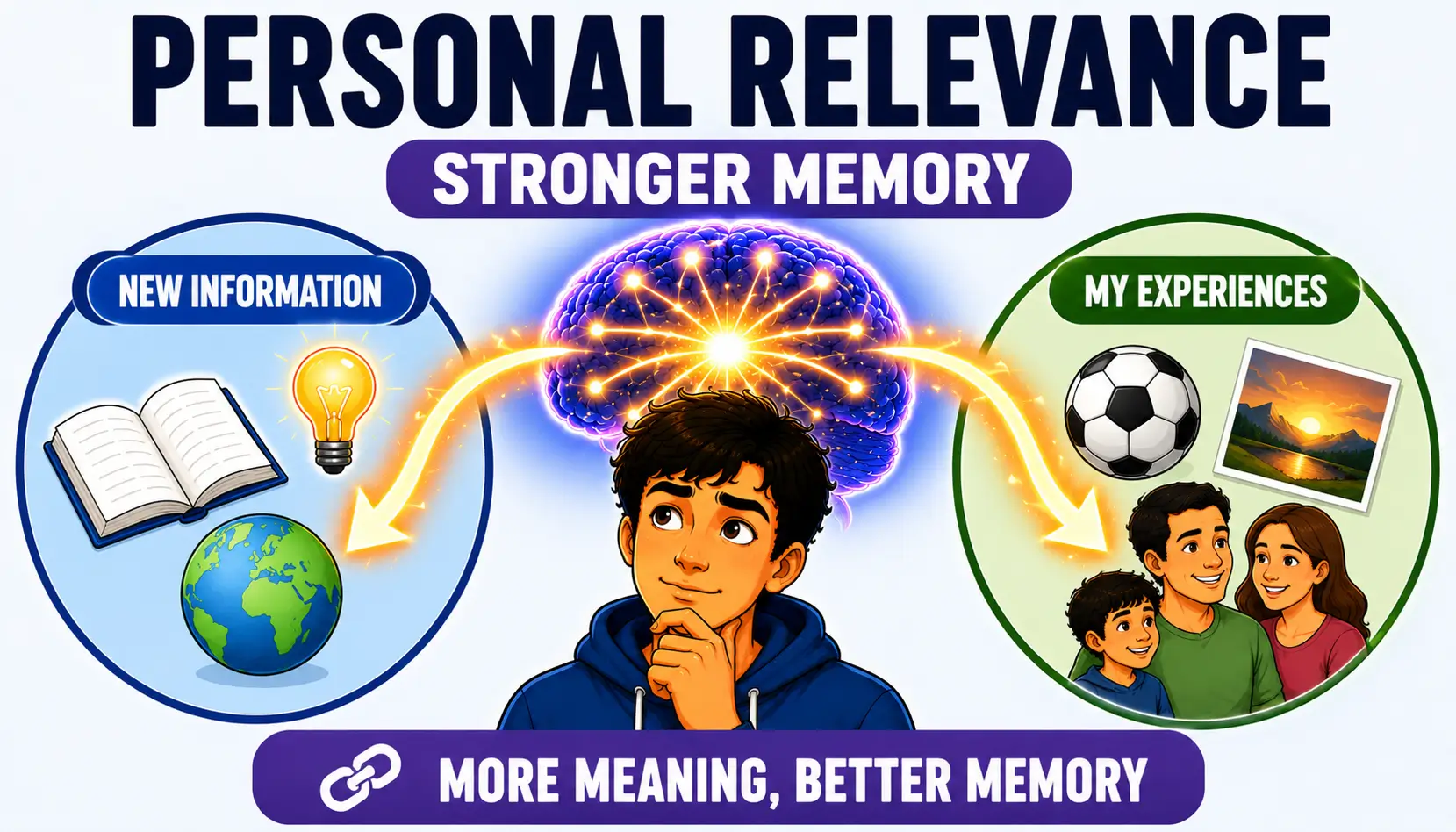
Students often remember examples that relate to their own lives better than abstract explanations.
People tend to recall stories involving their interests more easily than unrelated information.
Personal goals, hobbies, relationships, and experiences can all serve as powerful anchors for new learning.
This is one reason effective teachers frequently use relatable examples when introducing new concepts.
Self-Reference Effect and Learning
To connect this principle with broader evidence-based strategies for stronger recall and retention, read How to Improve Memory.
The self-reference effect has important implications for education.
Rather than treating information as isolated facts, learners can actively connect material to personal experiences.
Questions such as “How does this apply to me?” or “Have I experienced something similar?” encourage deeper processing.
These strategies often improve both understanding and long-term retention.
As a result, self-referential learning can complement techniques such as active recall, spaced repetition, and retrieval practice.
Using the Self-Reference Effect to Improve Learning
The self-reference effect is not just a psychological curiosity—it can be used as a practical learning strategy.
Students, professionals, and lifelong learners can improve retention by deliberately connecting new information to personal experiences.
Some effective approaches include:
- Relating concepts to real-life experiences.
- Creating personal examples when studying.
- Connecting new ideas to existing knowledge.
- Explaining how information applies to personal goals.
- Using autobiographical stories to reinforce learning.
These techniques encourage deeper processing and create more retrieval pathways for future recall.
The Relationship Between Self-Reference and Autobiographical Memory
This same personal relevance can also improve reading retention, especially when learners connect material to their own goals and experiences, which is why How to Remember What You Read fits naturally here.
The self-reference effect is closely connected to autobiographical memory.
Autobiographical memory contains information about personal experiences, important life events, and aspects of identity.
When new information becomes linked to these existing memories, retrieval often becomes easier and more reliable.
This relationship helps explain why personally meaningful events are often remembered more vividly than neutral information.
Readers interested in personal memory systems may also enjoy Autobiographical Memory Explained.
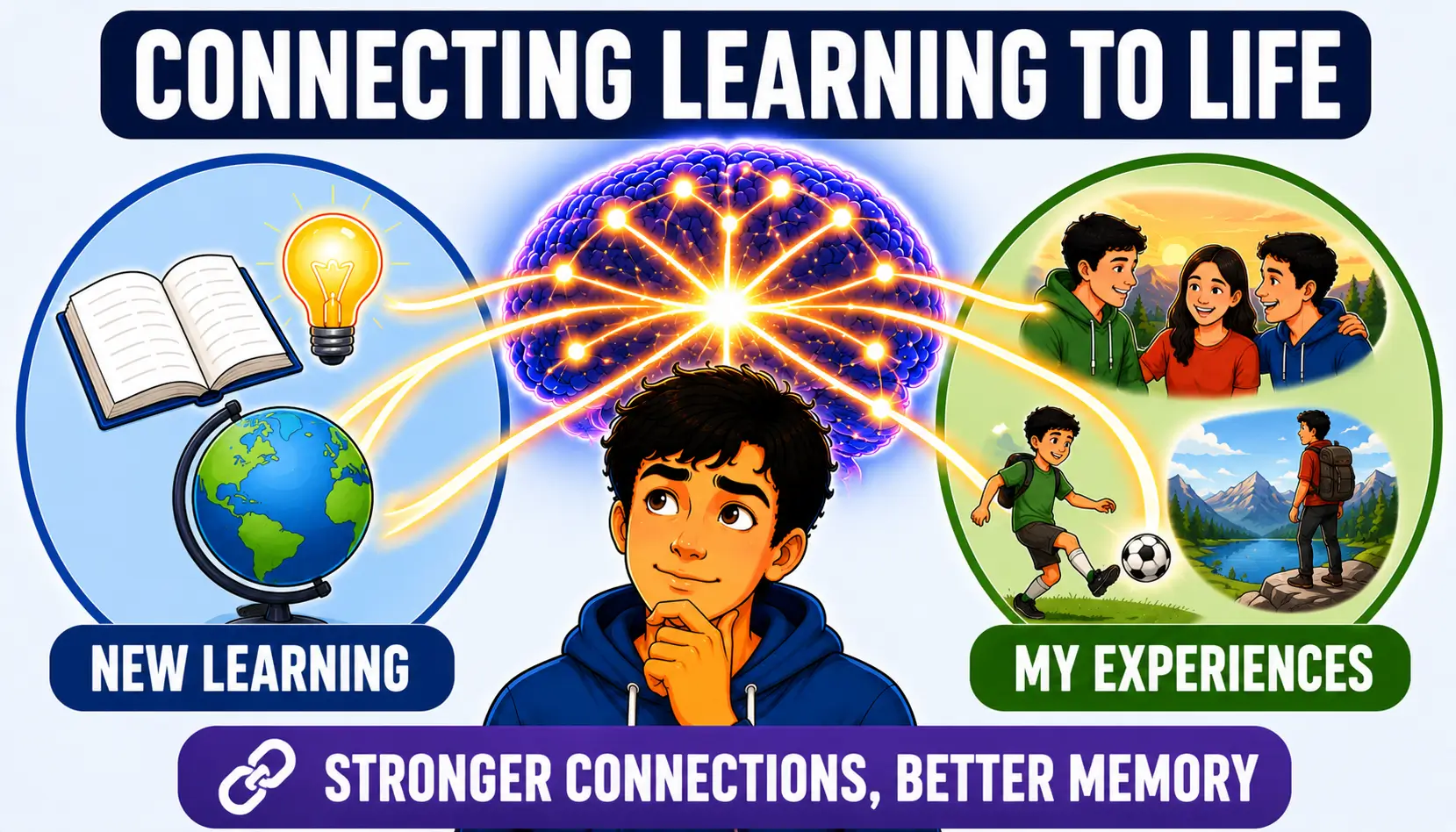
Self-Reference Effect vs Rote Memorization
Traditional memorization often relies on repetition alone.
While repetition can be helpful, information learned without meaning is generally forgotten more quickly.
The self-reference effect works differently.
Instead of simply repeating facts, learners create meaningful personal connections that strengthen encoding and retrieval.
This is one reason personally relevant information tends to remain accessible long after less meaningful information has been forgotten.
FAQ
What is the self-reference effect?
The self-reference effect is the tendency to remember information better when it is connected to yourself, your experiences, or your identity.
Why does the self-reference effect improve memory?
It encourages deeper processing, stronger encoding, and more retrieval pathways, all of which improve long-term retention.
Can students use the self-reference effect when studying?
Yes. Connecting new material to personal experiences, goals, or existing knowledge can significantly improve learning outcomes.
Is the self-reference effect supported by research?
Yes. Decades of cognitive psychology research have consistently demonstrated that self-related processing improves memory performance.
Why This Effect Matters for Long-Term Learning
The self-reference effect demonstrates that memory is not simply about exposure to information.
Meaningful learning occurs when new knowledge becomes connected to existing mental frameworks.
By relating information to personal experiences, learners create richer memory networks that improve both understanding and recall.
This principle helps explain why some lessons remain memorable for years while others are forgotten shortly after they are learned.
For anyone seeking better retention, stronger recall, and more effective learning, the self-reference effect offers one of the simplest evidence-based strategies available.
Readers interested in supporting memory performance and cognitive health can learn more about Advanced Memory Formula, a supplement designed to support healthy brain function as part of a broader memory-focused lifestyle.
Related Topics
- Autobiographical Memory Explained: How Personal Experiences Shape Identity and Recall
- Elaborative Rehearsal: The Memory Technique That Makes Information Stick
- Memory Encoding: How Information Becomes a Lasting Memory
- Active Recall: The Science-Backed Study Method for Long-Term Memory
Sources
- https://dictionary.apa.org/self-reference-effect
- https://www.britannica.com/science/memory
- https://www.simplypsychology.org/self-reference-effect.html