
Now Reading: The Feynman Technique: Learn Faster by Teaching What You Know
-
01
The Feynman Technique: Learn Faster by Teaching What You Know
The Feynman Technique: Learn Faster by Teaching What You Know

Many people believe learning is about collecting information.
Read more books.
Watch more videos.
Take more notes.
Highlight more pages.
Yet one of the most effective learners in modern history approached learning differently.
Richard Feynman, the Nobel Prize-winning physicist, believed that true understanding could be measured by a simple test:
If you can’t explain it simply, you don’t understand it well enough.
This idea eventually became known as the Feynman Technique.
Rather than focusing on memorization, the technique focuses on understanding.
Instead of asking:
“Can I recognize this information?”
It asks:
“Can I explain this information clearly?”
That small shift often makes a huge difference in learning and memory.
What Is the Feynman Technique?
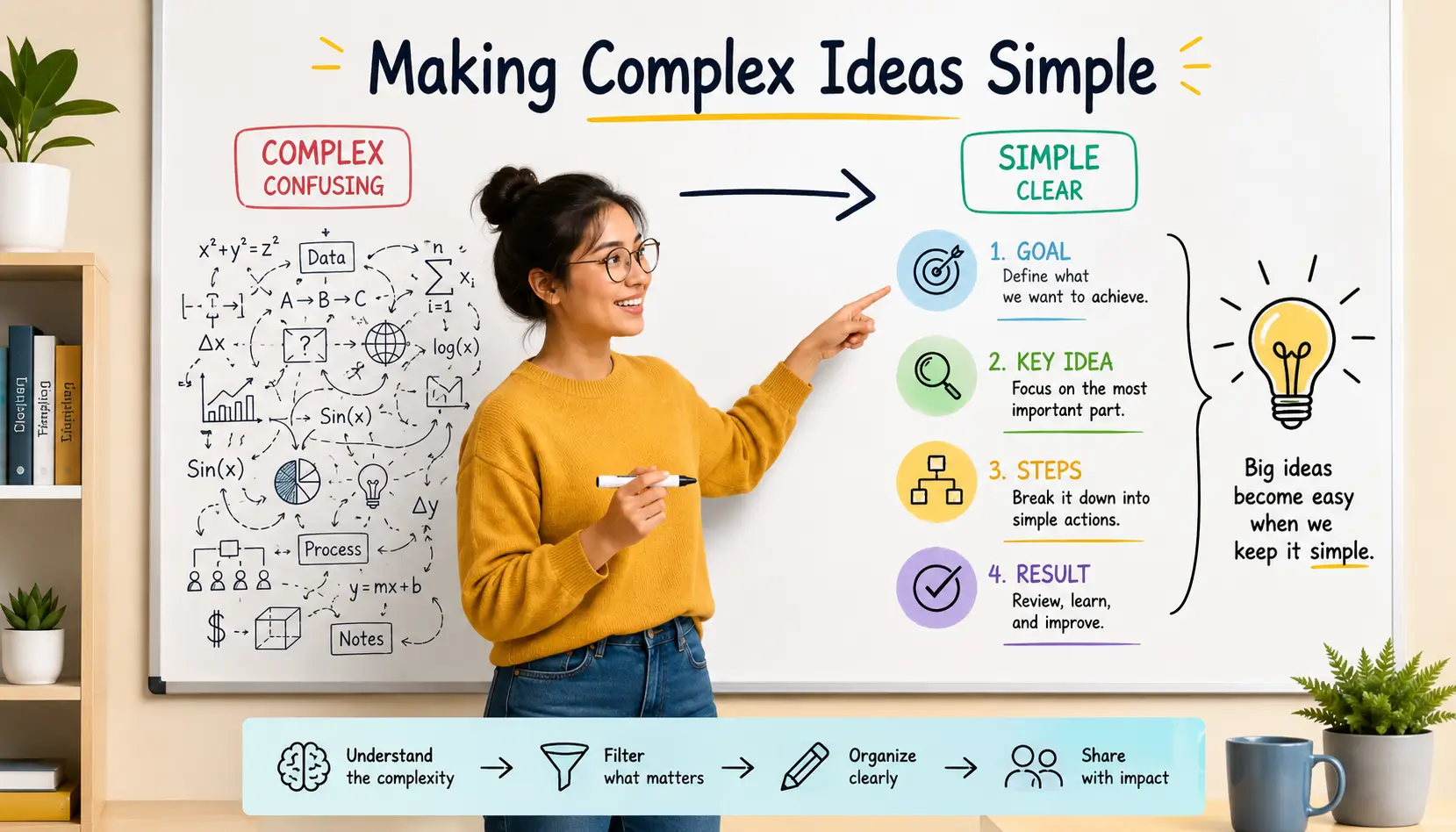
The Feynman Technique is a learning method that helps people understand information by explaining it in simple language.
The process forces learners to move beyond recognition and into genuine comprehension.
Instead of memorizing definitions, learners identify gaps in understanding and actively work to fill them.
The technique is built around a surprisingly simple principle:
Teaching reveals understanding.
If you can explain a concept clearly to someone with no background knowledge, you probably understand it well.
If you struggle to explain it, additional learning may be needed.
Who Was Richard Feynman?
Richard Feynman was one of the most influential physicists of the twentieth century.
He received the Nobel Prize in Physics in 1965 for his contributions to quantum electrodynamics.
However, he became almost equally famous for his ability to explain difficult scientific ideas in a clear and engaging way.
Feynman believed that understanding should be simple enough to communicate.
His teaching style inspired generations of students, educators, and lifelong learners.
Today, the Feynman Technique remains one of the most popular learning methods in education and self-development.

Why Teaching Improves Learning
Teaching requires much more than recognition.
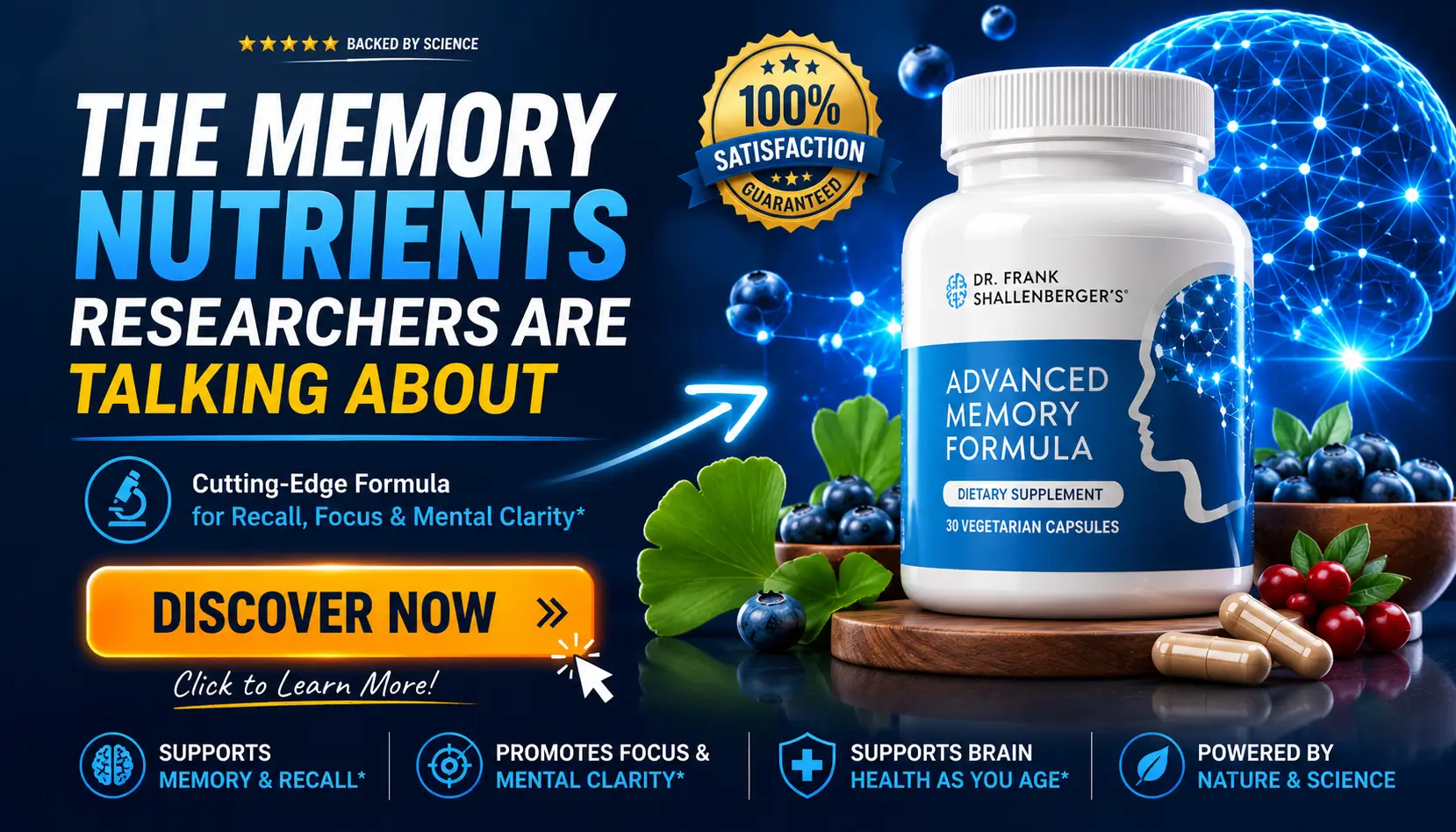
When you teach a concept, you must:
- Organize information
- Simplify complex ideas
- Identify relationships
- Recognize knowledge gaps
- Retrieve information from memory
These mental processes strengthen understanding and improve retention.
The act of explanation forces the brain to engage deeply with information.
This is one reason why teaching can be one of the most effective forms of studying.
🔬 The Science Behind the Feynman Technique
The Feynman Technique aligns with several well-established principles from cognitive psychology.
Research consistently shows that deeper processing, elaboration, and retrieval improve learning outcomes.
When learners explain concepts in their own words, they actively process information rather than passively consume it.
This often leads to stronger understanding and longer-lasting memories.
Source: https://www.apa.org/education-career/undergrad/evidence-based-study-techniques
The key idea is simple:
Understanding grows when information is reconstructed, not merely reviewed.
The Four Steps of the Feynman Technique
Step 1: Choose a Concept
Select a topic you want to learn.
This could be anything from a scientific principle to a historical event or professional skill.
Start with a specific concept rather than an entire subject.
Step 2: Explain It Simply
Pretend you are teaching the concept to a beginner.
Use plain language.
Avoid technical jargon whenever possible.
If the explanation becomes confusing, it may reveal areas that need further study.
Step 3: Identify Knowledge Gaps
Pay attention to moments where the explanation breaks down.
These gaps are valuable because they show exactly what needs improvement.
Many learners discover weaknesses they never noticed while simply rereading notes.
Step 4: Simplify and Refine
Return to the material, improve your understanding, and explain it again.
Repeat until the explanation becomes clear and straightforward.
Every cycle strengthens comprehension.
The Feynman Technique and Active Recall
The method also depends on recall memory, because explaining an idea clearly requires retrieving it without simply copying from notes. The Feynman Technique naturally incorporates Active Recall.
When explaining information from memory, learners retrieve knowledge without looking at notes.
This retrieval process strengthens memory pathways and improves retention.
The explanation becomes a form of self-testing.
Rather than answering simple questions, learners reconstruct entire concepts.
This often produces deeper learning than passive review.
The Feynman Technique and Retrieval Practice
The technique also aligns closely with Retrieval Practice.
Every explanation requires recalling information from memory.
Each successful retrieval reinforces learning.
The more frequently information is retrieved and explained, the easier it often becomes to remember later.
Why Simplicity Reveals Understanding
Complex language can sometimes hide confusion.
Simple language often exposes it.
Many learners discover that they can repeat a definition but cannot explain what it actually means.
The Feynman Technique helps uncover this problem.
By simplifying ideas, learners distinguish genuine understanding from memorized wording.
This distinction is often the difference between temporary learning and lasting knowledge.
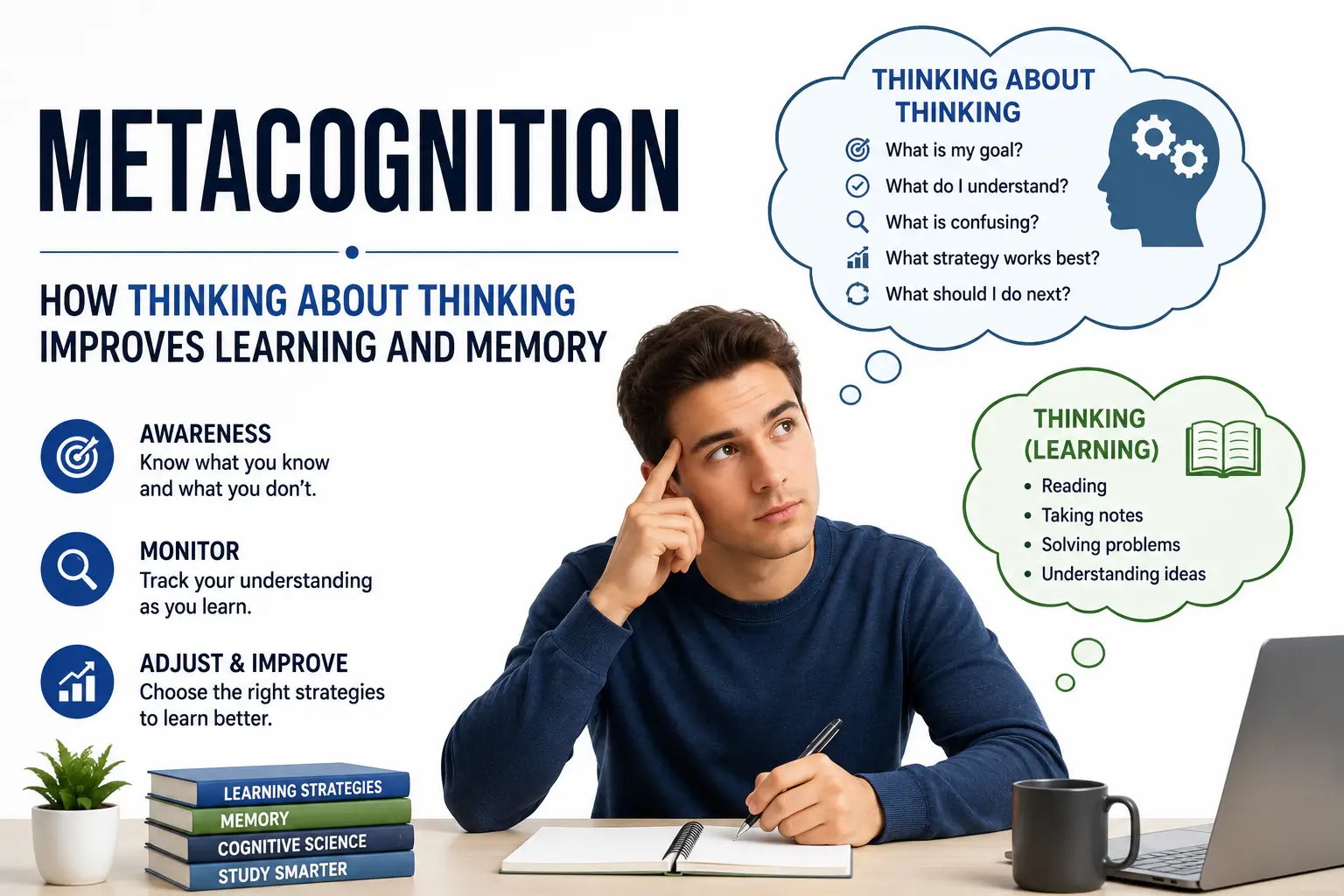
The Feynman Technique and Metacognition
One reason the Feynman Technique is so effective is that it naturally develops Metacognitive skills.
When learners attempt to explain a concept, they receive immediate feedback about their own understanding.
Areas of confusion become obvious.
Knowledge gaps become difficult to ignore.
This self-awareness allows learners to focus their efforts more effectively.
Instead of studying everything equally, they can target the concepts that need the most attention.
The result is often faster and more efficient learning.
The Feynman Technique and Elaborative Rehearsal
The technique also works extremely well alongside Elaborative Rehearsal.
When learners explain concepts in their own words, they naturally create examples, analogies, and connections.
These additional connections strengthen memory.
The process transforms information from isolated facts into meaningful knowledge networks.
Every new connection creates another pathway for future recall.
This is one reason explanations are often remembered more easily than definitions.
Meaning creates durability.
Using the Feynman Technique for Studying
The Feynman Technique can be applied to almost any subject.
Students often use it for:
- Science
- Mathematics
- History
- Language learning
- Professional certifications
- Technical skills
A simple approach is to take a blank sheet of paper and write the concept at the top.
Then explain the topic entirely from memory.
Whenever you become stuck, identify the knowledge gap, review the material, and continue.
This process converts studying into active learning.
Why Beginners Benefit So Much
Many learning strategies become more valuable as expertise increases.
The Feynman Technique is different.
Beginners often gain enormous benefits because the method quickly exposes misunderstandings.
Rather than spending weeks building false confidence, learners discover weaknesses early.
This allows correction before misconceptions become deeply embedded.
The earlier gaps are identified, the easier they are to fix.
Common Feynman Technique Mistakes
Using Technical Language to Hide Confusion
Many learners can repeat complicated terminology without truly understanding it.
The goal is simplicity.
If an explanation requires excessive jargon, additional clarification may be needed.
Skipping the Knowledge Gap Stage
The most valuable part of the technique is identifying what you do not know.
Ignoring weaknesses reduces the effectiveness of the entire process.
Reading Instead of Explaining
The technique works best when explanations are generated from memory.
Reading notes aloud is not the same as teaching from understanding.
Never Revisiting the Explanation
Understanding develops through refinement.
The best explanations are often produced after several revisions.
Combining the Feynman Technique With Other Learning Strategies
The Feynman Technique becomes even more powerful when combined with evidence-based learning methods.
For example:
- Active Recall strengthens retrieval.
- Spaced Repetition improves long-term retention.
- Interleaving improves flexible thinking.
- Elaborative Rehearsal deepens understanding.
Together, these techniques create a highly effective learning system.
Each strategy addresses a different aspect of memory and learning.
Can the Feynman Technique Improve Long-Term Memory?
Yes.
Although the technique is primarily associated with understanding, it can also improve retention.
Explaining information requires retrieval, organization, elaboration, and simplification.
These processes strengthen memory pathways and improve future recall.
The information becomes easier to access because it has been processed more deeply.
In many cases, understanding and remembering improve together.
Supporting Learning Beyond Study Techniques
Effective learning depends on more than study strategies alone.
Sleep quality, attention, stress management, physical activity, and cognitive health all influence memory performance.
For example, Memory Consolidation helps stabilize newly learned information after studying.
Many learners combine evidence-based learning methods with broader approaches to supporting cognitive wellness.
Readers interested in memory-supportive nutritional strategies can learn more about Advanced Memory Formula.
Learning Through Understanding
The Feynman Technique remains popular because it focuses on a fundamental truth about learning:
Understanding is more powerful than memorization.
By explaining concepts in simple language, learners expose weaknesses, strengthen comprehension, and build more durable knowledge.
Whether you’re studying for exams, developing professional expertise, or learning a new skill, the ability to teach an idea clearly is often one of the strongest indicators that you’ve truly learned it.
Sometimes the fastest way to learn is not to study harder.
It’s to explain better.