
Now Reading: Implicit Memory Explained: How the Brain Learns Without Conscious Awareness
-
01
Implicit Memory Explained: How the Brain Learns Without Conscious Awareness
Implicit Memory Explained: How the Brain Learns Without Conscious Awareness
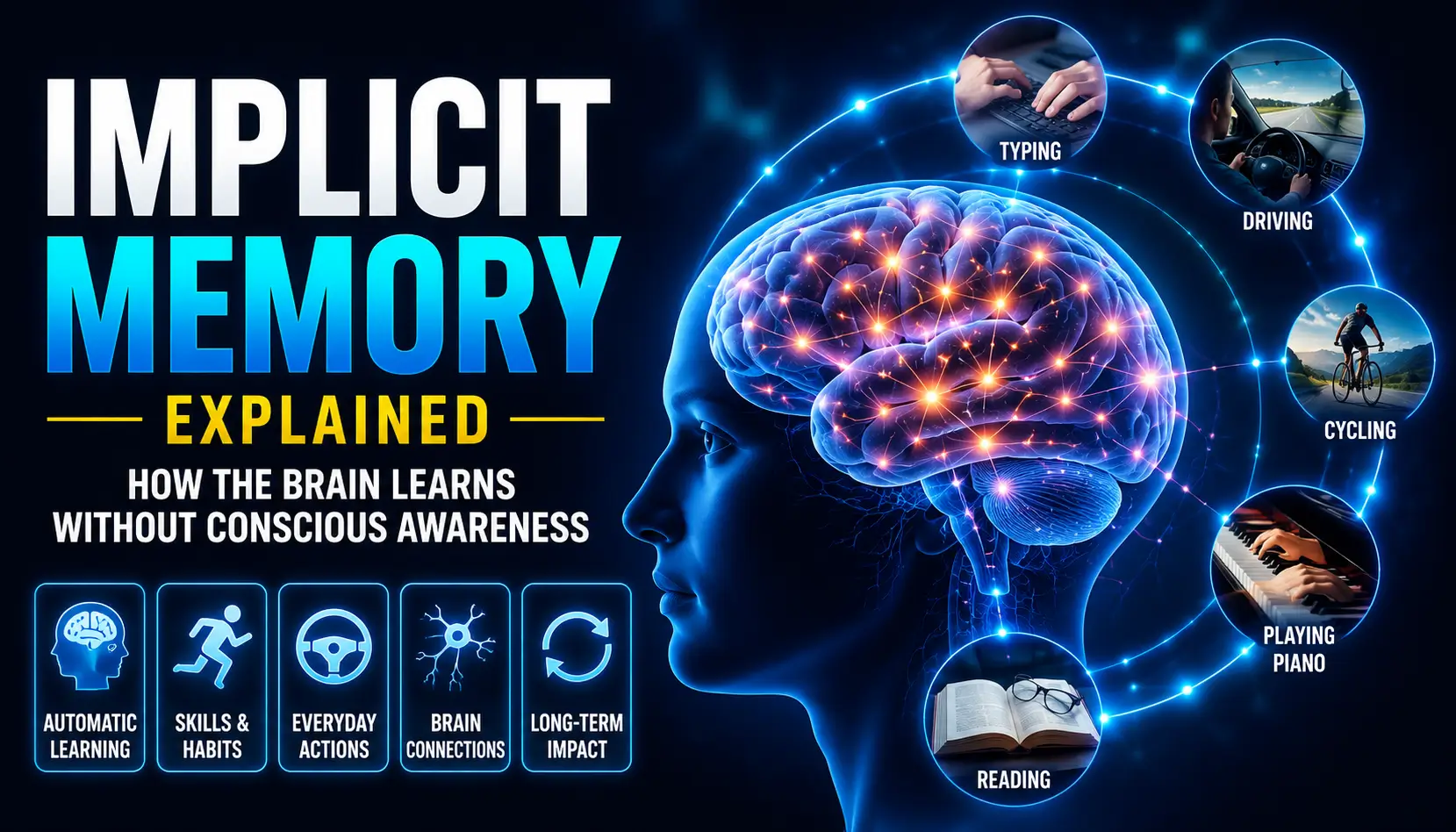
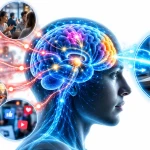
You pull into your driveway after work, turn off the engine, and reach for your keys. As you step out of the car, a strange thought crosses your mind—you barely remember the drive home. You stopped at traffic lights, changed lanes, adjusted your speed, and reacted to other drivers, yet you weren’t consciously thinking about each decision. Far from being unusual, this experience demonstrates one of the brain’s most remarkable abilities: implicit memory.
Every day, your brain performs thousands of actions without requiring conscious thought. You walk without calculating every muscle movement, type messages without looking at each key, and recognize familiar faces almost instantly. These abilities are not accidents. They are the result of years of learning that have gradually become automatic through one of the most efficient memory systems the human brain possesses.
Unlike memories that involve consciously recalling facts or personal experiences, implicit memory quietly works behind the scenes. It transforms repeated experiences into effortless skills, allowing your conscious mind to focus on solving new problems instead of repeatedly thinking about familiar tasks. Without this system, everyday life would be mentally exhausting.
Although scientists have studied memory for more than a century, implicit memory continues to reveal fascinating insights into how humans learn, adapt, and develop expertise. From athletes and musicians to surgeons, pilots, and professional gamers, nearly every highly skilled performance depends on the brain’s ability to convert repeated practice into automatic behavior.
Understanding implicit memory is valuable not only for psychologists and neuroscientists but also for students, educators, professionals, and anyone interested in improving learning, developing better habits, or understanding how the brain acquires complex skills.
Quick Answer
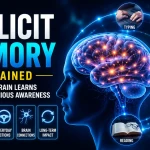
Implicit memory is a form of long-term memory that allows learned skills, habits, emotional responses, and automatic behaviors to influence actions without conscious awareness. Also known as nondeclarative memory, it develops primarily through repetition and experience rather than deliberate memorization.
What Is Implicit Memory?
Implicit memory refers to information stored in long-term memory that affects behavior automatically without requiring conscious recall. Instead of intentionally remembering something, the brain retrieves the necessary information behind the scenes, allowing tasks to be performed efficiently and with little mental effort.
Researchers sometimes use the terms implicit memory, nondeclarative memory, and unconscious memory interchangeably. While each emphasizes a slightly different perspective, they all describe memory processes that operate largely outside conscious awareness.
For example, imagine riding a bicycle after not practicing for several years. You may feel slightly out of practice at first, but within moments your body automatically remembers how to balance, steer, and pedal. You are not consciously recalling instructions—you are simply doing it. This is implicit memory in action.
The same principle applies to countless everyday behaviors.
- Typing on a computer keyboard.
- Driving a familiar route.
- Using a smartphone.
- Playing a musical instrument.
- Swimming.
- Tying shoelaces.
- Recognizing emotional facial expressions.
- Using grammar correctly while speaking your native language.
In every case, knowledge has become so deeply learned that conscious effort is no longer required.
Why Does the Brain Need Implicit Memory?
Imagine if every action required full conscious attention.
You would need to think carefully about every step while walking. Every movement of your fingers while typing. Every pedal press while driving. Every letter while writing your own name.
Daily life would become incredibly slow, mentally exhausting, and inefficient.
Instead, the brain gradually transfers frequently repeated behaviors into automatic processing systems. This allows conscious attention to focus on unfamiliar situations, creative thinking, decision-making, and problem solving rather than repeating skills that have already been mastered.
From an evolutionary perspective, this efficiency offered enormous survival advantages. Early humans who could automatically recognize dangerous situations, use tools effectively, or develop hunting skills were able to devote more attention to changing environments rather than relearning familiar actions each day.
Modern life still depends on this same mechanism. Every experienced driver, surgeon, athlete, programmer, pilot, artist, or musician relies heavily on implicit memory while performing complex tasks.


How Implicit Memory Forms
Unlike memorizing a phone number or studying historical dates, implicit memory usually develops without intentional effort. Instead, it emerges gradually through repeated exposure, consistent practice, and real-world experience.
Each repetition strengthens communication between groups of neurons involved in a particular behavior. Neuroscientists refer to this process as synaptic plasticity, meaning that the brain continuously adapts by strengthening neural connections that are repeatedly activated.
Over weeks, months, or even years of practice, these neural pathways become increasingly efficient. Eventually, actions that once required intense concentration become almost effortless.
This gradual shift from conscious control to automatic execution is known as automaticity, one of the defining characteristics of implicit memory.
Learning to drive provides an excellent example.
During your first driving lesson, almost every action competes for attention:
- Checking mirrors.
- Steering accurately.
- Adjusting speed.
- Watching traffic lights.
- Changing gears.
- Monitoring nearby vehicles.
Months later, many of these same actions occur automatically. Rather than consciously controlling every movement, experienced drivers devote most of their attention to unexpected situations because the underlying skills have become embedded within implicit memory.
The Neuroscience Behind Implicit Memory
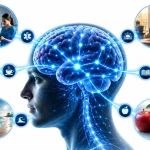
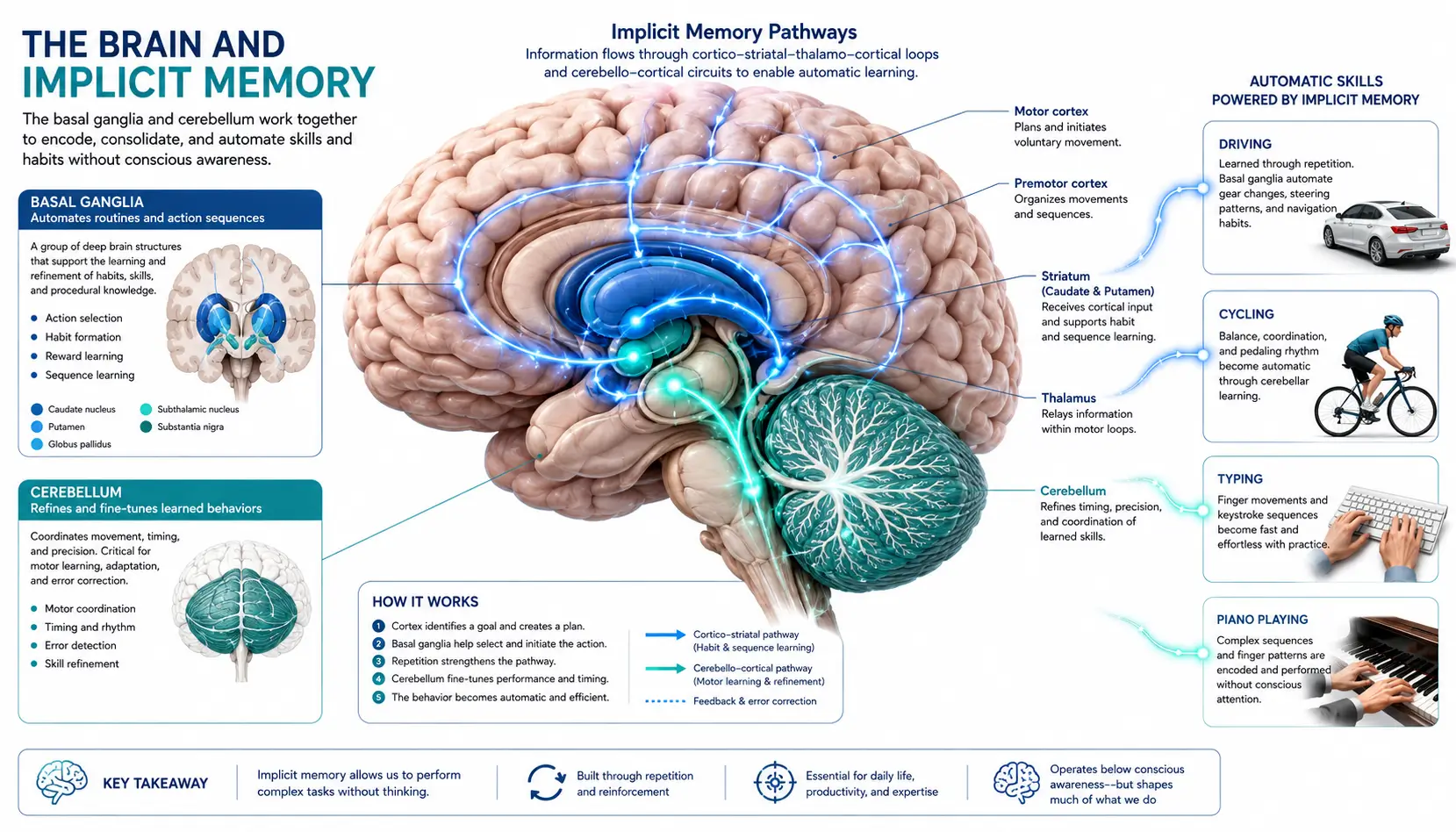
Although people often think of memory as being stored in a single location, modern neuroscience paints a far more complex picture. Implicit memory depends on multiple brain regions working together, each contributing to different aspects of unconscious learning.
Unlike explicit memory—which relies heavily on structures involved in conscious recollection—implicit memory is distributed across specialized neural systems responsible for movement, emotion, habit formation, and perceptual learning.
This distributed architecture explains why certain neurological disorders may affect one type of memory while leaving another relatively intact.
Basal Ganglia
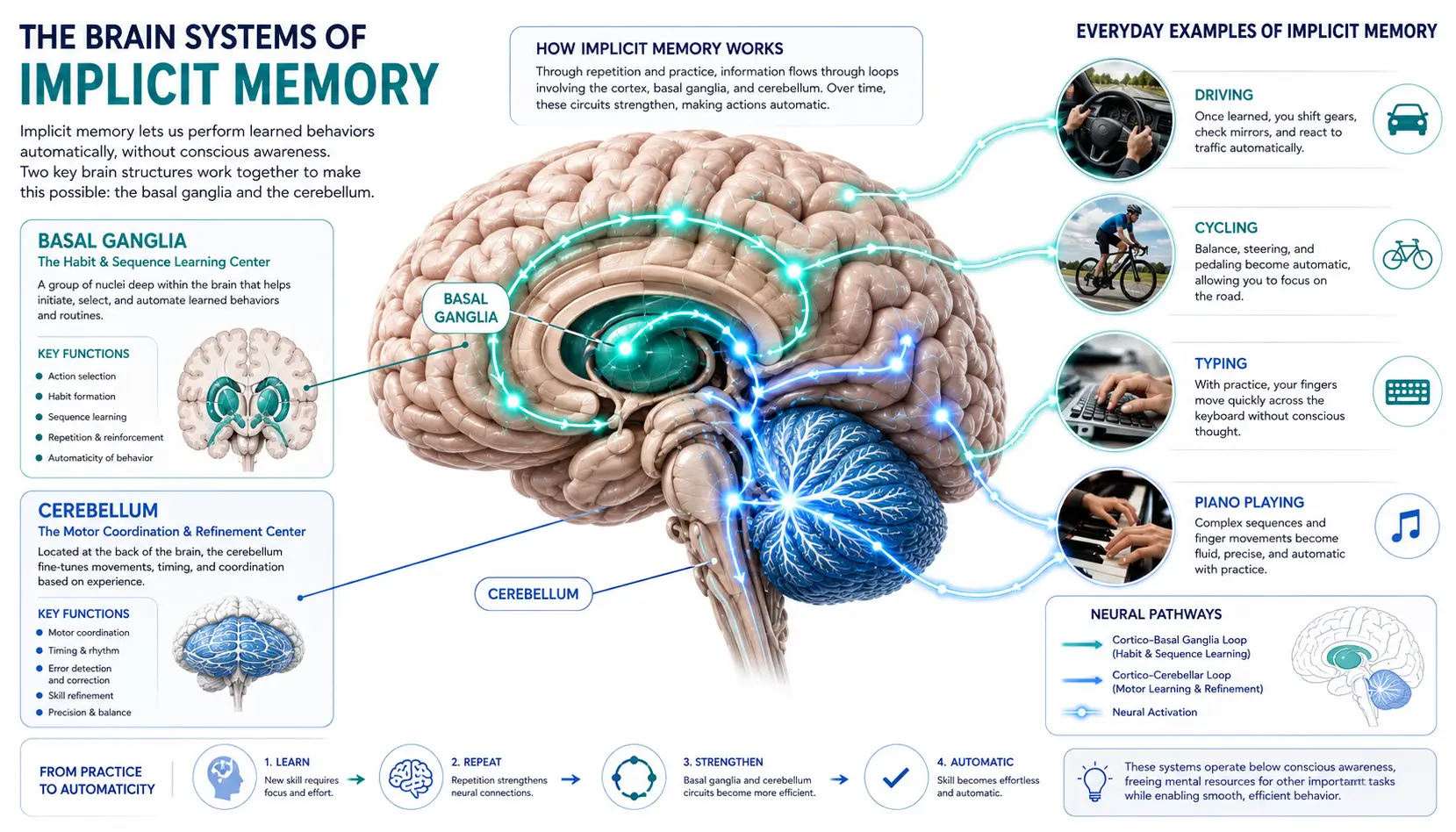
The basal ganglia play one of the most important roles in implicit memory. These deep brain structures help transform repeated behaviors into automatic habits and procedural skills.
Whether learning to type faster, mastering a tennis serve, or developing efficient driving habits, the basal ganglia gradually optimize repeated motor patterns until they require very little conscious attention.
Cerebellum
The cerebellum contributes to coordination, precision, timing, and motor learning. It continuously fine-tunes movement by detecting small errors and adjusting performance with practice.
This is why athletes, dancers, musicians, and surgeons often demonstrate remarkable levels of precision after years of consistent training.
Amygdala
Not all implicit memories involve physical skills. Emotional learning also depends heavily on unconscious memory systems. The amygdala helps the brain automatically associate certain experiences with emotional significance, allowing future reactions to occur rapidly without conscious deliberation.
This explains why particular smells, sounds, or environments can instantly trigger emotional responses even when people cannot consciously remember the original experience that created the association.
Motor Cortex
While the basal ganglia help establish habits and the cerebellum refines movement, the motor cortex stores and executes well-practiced movement patterns. As a skill becomes increasingly familiar, activity shifts away from conscious planning toward automatic execution. This allows experienced performers to complete highly complex actions with remarkable speed and precision.
Consider a concert pianist performing a difficult piece. Rather than consciously thinking about every finger movement, years of repetition allow the motor cortex and other implicit memory systems to coordinate thousands of precise actions automatically. The performer’s attention can instead focus on musical expression and interpretation.
Neocortex
The neocortex contributes to perceptual learning and pattern recognition. Through repeated exposure, the brain becomes increasingly efficient at identifying familiar objects, words, faces, sounds, and environments without requiring deliberate analysis.
For example, experienced radiologists often recognize subtle abnormalities in medical images within seconds. Likewise, experienced chess players rapidly identify strategic patterns that beginners fail to notice. These abilities develop gradually through extensive experience and repeated exposure rather than conscious memorization alone.
The Main Types of Implicit Memory
Implicit memory is not a single system. Instead, psychologists divide it into several interconnected forms of unconscious learning, each serving a unique purpose while contributing to everyday behavior.
Together, these systems explain how humans develop physical skills, emotional reactions, automatic habits, and rapid pattern recognition throughout life.
Procedural Memory
Procedural memory is perhaps the best-known form of implicit memory. It stores the motor skills and behavioral routines that become automatic through practice.
Unlike factual knowledge, procedural memories describe how to perform actions rather than what we know.
Examples include:
- Driving a car.
- Swimming.
- Ice skating.
- Typing on a keyboard.
- Playing the guitar.
- Using chopsticks.
- Shooting a basketball.
- Operating professional equipment.
Interestingly, many experts struggle to verbally explain every movement involved in these activities because the knowledge exists primarily as automatic motor programs rather than consciously accessible information.
Procedural memory demonstrates why practice remains one of the most effective methods for developing expertise. Repetition gradually transfers conscious effort into automatic performance.
Priming
Priming occurs when previous exposure to one stimulus unconsciously influences how the brain processes later information.
Imagine briefly seeing the word doctor. Moments later, you may recognize the word nurse more quickly than an unrelated word because associated concepts have already been activated inside your memory network.
This influence happens automatically, often without the individual realizing that earlier experiences are shaping current perception.
Priming affects numerous aspects of daily life, including:
- Advertising effectiveness.
- Brand recognition.
- Reading speed.
- Decision-making.
- Language processing.
- Visual perception.
- Social interactions.
Because priming plays an important role in implicit memory, it deserves a more detailed explanation. Our guide to Priming Explained explores how previous experiences influence perception, memory, and decision-making, including different forms of priming and their effects on everyday cognition.
Classical Conditioning
Another major component of implicit memory involves classical conditioning, a learning process in which repeated associations create automatic responses.
The most famous example comes from Ivan Pavlov’s experiments. Dogs repeatedly heard a bell immediately before receiving food. After enough repetitions, hearing the bell alone caused salivation—even when no food was presented.
Humans constantly develop similar unconscious associations throughout life.
Examples include:
- Feeling hungry after smelling freshly baked bread.
- Feeling relaxed when hearing calming music.
- Experiencing anxiety in environments associated with stressful events.
- Feeling excitement when entering a favorite sports stadium.
Many emotional reactions occur automatically because repeated experiences have strengthened unconscious associations over time.
Habituation
Habituation is the brain’s ability to gradually reduce its response to repetitive, harmless stimuli.
Without habituation, everyday environments would constantly overwhelm attention.
Imagine hearing every air conditioner, refrigerator motor, ceiling fan, passing vehicle, or ticking clock with equal intensity throughout the day. Concentrating on meaningful tasks would become almost impossible.
Instead, the nervous system learns that many repeated stimuli pose no threat and safely reduces attention toward them.
Common examples include:
- No longer noticing your wristwatch after wearing it.
- Ignoring background conversations in a busy café.
- Adjusting to city traffic noise after moving into a new neighborhood.
- Becoming unaware of clothing against your skin.
Habituation demonstrates that implicit memory not only stores useful information but also filters unnecessary sensory input, making everyday life far more efficient.
Sensitization
In contrast to habituation, sensitization increases responsiveness following repeated exposure to important or potentially dangerous events.
Rather than ignoring repeated experiences, the brain becomes increasingly alert.
For example, someone who narrowly avoids a serious car accident may become highly sensitive to sudden braking sounds, fast-moving traffic, or unexpected vehicle movements. These heightened responses occur automatically and often require little conscious thought.
From an evolutionary perspective, sensitization improves survival by encouraging rapid reactions to situations that previously signaled danger.
Implicit Memory vs. Explicit Memory
One of the most frequently asked questions in cognitive psychology is how implicit memory differs from explicit memory. Although both belong to long-term memory, they perform fundamentally different roles.
Explicit memory stores information that can be consciously recalled. It includes personal experiences, historical facts, names, dates, and knowledge that individuals intentionally retrieve when answering questions or remembering past events.
Implicit memory works differently.
Instead of consciously recalling information, it allows previously learned skills and behaviors to influence performance automatically.
A simple bicycle illustrates the difference perfectly.
- Remembering your first bicycle and who taught you to ride relies primarily on explicit memory.
- Maintaining balance and pedaling years later without consciously thinking about every movement depends on implicit memory.
Rather than competing, these two systems continuously work together.
A professional surgeon consciously recalls anatomical knowledge while relying on years of procedural experience to perform delicate movements. A professional musician consciously remembers the musical score while allowing thousands of practiced finger movements to occur almost automatically.
This partnership between conscious and unconscious memory systems enables humans to perform extraordinarily complex tasks efficiently.
In the next section, we’ll explore even more real-world examples of implicit memory and examine how these unconscious learning systems influence education, sports, language acquisition, professional expertise, and everyday decision-making.
Real-Life Examples of Implicit Memory
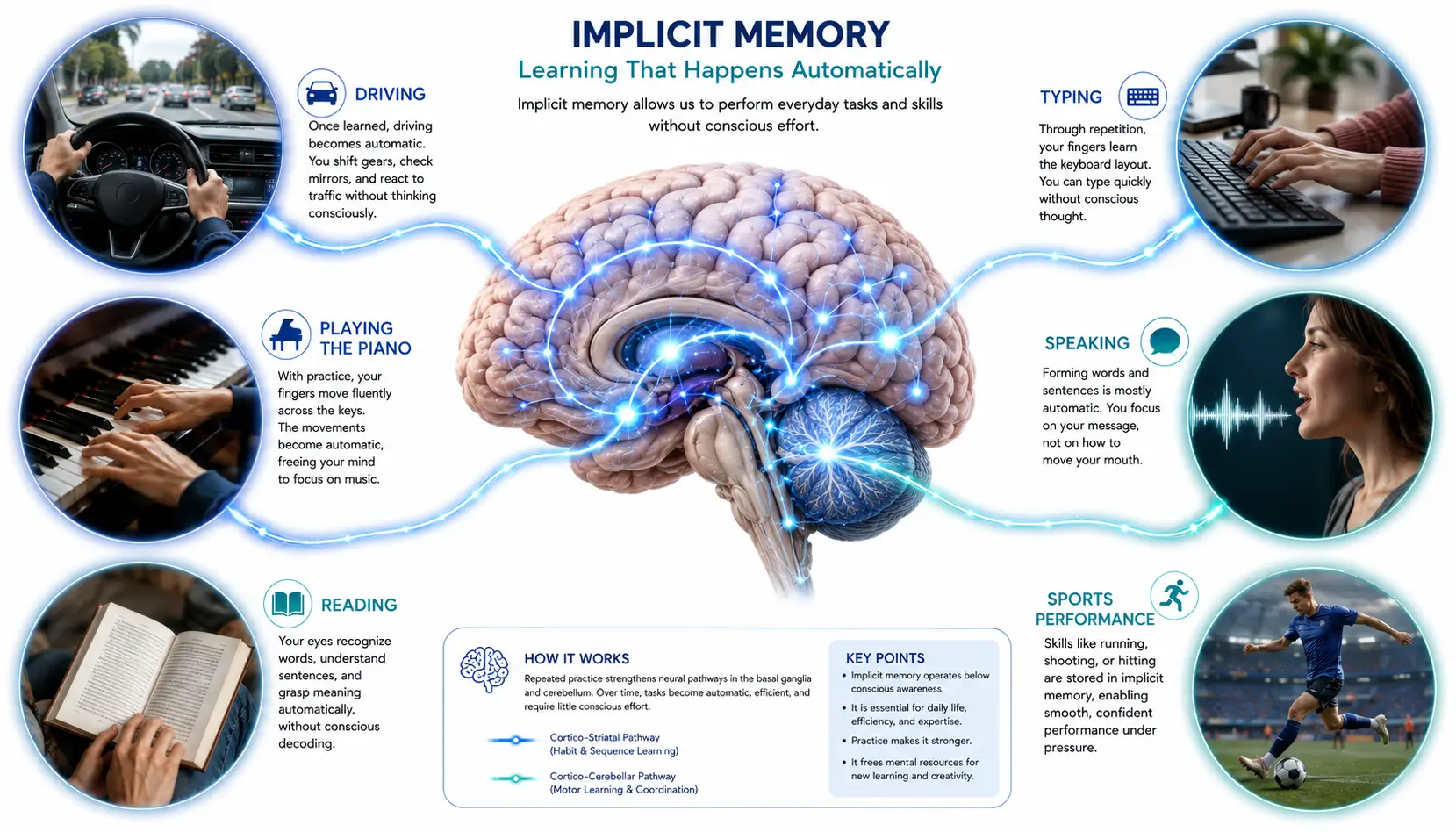
One reason implicit memory is so fascinating is that most people rely on it constantly without realizing it. Unlike explicit memory, which requires conscious recall, implicit memory quietly supports hundreds of everyday behaviors that have become automatic through repetition.
In fact, from the moment you wake up until you go to bed, implicit memory is continuously working in the background.
Driving a Car
Learning to drive is mentally demanding. New drivers consciously think about mirrors, steering, pedals, speed, traffic signs, and surrounding vehicles all at once.
After months or years of practice, many of these actions require almost no conscious thought. Experienced drivers can hold conversations, plan their route, or think about their day while their implicit memory automatically manages many routine aspects of driving.
This does not mean attention is unnecessary. Rather, automatic skills free mental resources so conscious attention can focus on unexpected situations such as sudden braking, changing traffic conditions, or hazardous weather.
Typing on a Keyboard
Most experienced typists cannot accurately name the location of every key on a keyboard without looking. Yet they can type hundreds of words every few minutes with remarkable accuracy.
This apparent contradiction illustrates how implicit memory stores motor sequences independently of conscious recall.
Learning a Musical Instrument
Professional musicians may perform thousands of individual finger movements during a single concert. If every movement required conscious planning, performance would become almost impossible.
Years of deliberate practice gradually shift these movements into implicit memory, allowing musicians to focus on rhythm, interpretation, dynamics, and emotional expression instead of basic finger placement.
Sports Performance
Elite athletes often describe entering a state where movements feel automatic. Basketball players shoot without calculating angles, tennis players return serves in fractions of a second, and professional golfers execute highly coordinated swings developed through years of repetition.
Implicit memory makes these rapid performances possible.
Speaking Your Native Language
Most adults speak their native language fluently without consciously recalling grammar rules before every sentence.
Children acquire much of this knowledge through repeated exposure rather than formal memorization. Over time, grammatical structures become deeply embedded within implicit memory, allowing speech to occur effortlessly.
Implicit Memory in Education and Skill Development
Although implicit memory is commonly associated with physical skills, it also plays an essential role in education.
Many learning experiences begin with conscious effort before gradually becoming automatic.
For example, children initially read by identifying individual letters. Later, they recognize entire words instantly. Experienced readers rarely analyze each letter because repeated exposure has strengthened unconscious recognition pathways.
The same principle applies to mathematics.
Students first learn multiplication tables through conscious memorization. Eventually, answers become automatic, allowing attention to shift toward solving more advanced mathematical problems.
This illustrates why repetition remains one of the most effective learning strategies supported by cognitive science.
Repeated practice allows explicit knowledge to become increasingly automatic, reducing cognitive load and improving long-term performance.
Can Implicit Memory Be Improved?
Yes. Although implicit memory develops naturally through experience, research suggests that several evidence-based strategies can strengthen unconscious learning over time.
Practice Consistently
Short, regular practice sessions generally produce stronger long-term learning than occasional intensive practice. Consistency allows neural pathways to strengthen gradually.
Use Deliberate Practice
Simply repeating a task is not always enough. Deliberate practice involves identifying weaknesses, receiving feedback, and gradually increasing difficulty.
This approach has been shown to accelerate skill acquisition across music, athletics, medicine, and many professional fields.
Sleep After Learning
Sleep plays a vital role in memory consolidation. During sleep, the brain reorganizes recently acquired information and strengthens neural connections formed during waking hours.
Numerous studies suggest that adequate sleep improves both explicit and implicit learning.
Reduce Multitasking During Practice
Focused attention during initial learning helps create stronger memory traces before behaviors become automatic.
Attempting to learn multiple complex skills simultaneously may slow the development of robust implicit memory.
Common Misconceptions About Implicit Memory
“Implicit Memory Means You’re Not Paying Attention.”
False.
Automatic behavior does not mean absent attention. Instead, implicit memory allows routine aspects of performance to require less conscious effort, leaving greater mental capacity for unexpected situations.
“Implicit Memory Is Only About Physical Skills.”
Not at all.
Although procedural learning represents one important component, implicit memory also includes emotional learning, perceptual learning, conditioning, priming, and several other unconscious learning systems.
“Implicit Memory Never Changes.”
Implicit memory remains highly adaptable throughout life.
Learning new sports techniques, improving musical performance, acquiring professional expertise, or adapting to new technologies all involve continuous modification of implicit memory through neuroplasticity.
Why Implicit Memory Matters
Implicit memory is one of the brain’s greatest efficiency mechanisms. Without it, every familiar task would require conscious attention, dramatically slowing daily life and overwhelming cognitive resources.
Instead, the brain continuously converts repeated experiences into automatic knowledge. This allows humans to master increasingly complex skills while remaining flexible enough to learn new ones.
Whether you’re learning to play an instrument, becoming a better athlete, studying a new language, or developing professional expertise, implicit memory quietly supports your progress every step of the way.
In the next section, we’ll examine how implicit memory changes throughout aging, how neurological disorders can affect unconscious learning, what current neuroscience research reveals, and practical ways to support lifelong cognitive health.
Implicit Memory Across the Lifespan
Like many cognitive functions, implicit memory changes throughout life. However, it does not follow the same pattern as explicit memory. While people often notice declines in their ability to consciously remember names, appointments, or recent conversations as they age, many forms of implicit memory remain surprisingly resilient.
This difference has become one of the most interesting discoveries in modern cognitive neuroscience. Researchers have found that automatic skills learned through years of practice are often preserved far longer than consciously recalled information.
Childhood
Children rely heavily on implicit learning long before they develop sophisticated explicit memory. Walking, speaking, recognizing facial expressions, understanding social cues, and learning the basic structure of language all depend extensively on repeated unconscious learning.
Although explicit learning becomes increasingly important during formal education, implicit learning continues to shape cognitive development throughout childhood and adolescence.
Adulthood
During adulthood, implicit memory supports professional expertise, athletic performance, language fluency, driving, and countless daily routines.
Years of experience allow individuals to perform increasingly complex tasks while using less conscious effort. This automaticity explains why experienced professionals often appear to make difficult decisions almost instinctively.
Older Adults
Healthy aging may reduce processing speed and certain aspects of explicit memory, but many implicit memory abilities remain relatively stable.
Older adults frequently continue performing familiar skills—such as playing an instrument, knitting, gardening, cooking, or driving familiar routes—even when recalling recent conversations becomes more challenging.
This distinction highlights the remarkable durability of procedural learning throughout the human lifespan.
Implicit Memory and Neurological Disorders
Because implicit and explicit memory rely on different neural systems, neurological diseases do not affect them equally.
Understanding these differences has helped researchers develop more effective rehabilitation strategies for individuals living with memory disorders.
Alzheimer’s Disease
Alzheimer’s disease primarily damages brain regions involved in explicit memory, particularly structures responsible for forming new episodic memories.
As a result, individuals may struggle to remember recent events while still demonstrating relatively preserved procedural abilities, especially during the earlier stages of the disease.
For example, a person with Alzheimer’s may forget having breakfast but still remember how to play a familiar piano piece or prepare tea using routines learned decades earlier.
Although implicit memory can also decline as Alzheimer’s progresses, many automatic skills remain functional longer than conscious recollection.
Parkinson’s Disease
Parkinson’s disease affects the basal ganglia, one of the primary brain regions involved in procedural learning and habit formation.
Consequently, patients may experience greater difficulty developing new motor routines or maintaining previously automatic movement patterns.
This relationship has provided valuable insight into the important role played by the basal ganglia in implicit memory.
Traumatic Brain Injury
The effects of traumatic brain injury vary considerably depending on which brain regions are affected.
Some individuals experience severe impairments in explicit memory while retaining many forms of implicit learning. Others may develop difficulties performing automatic skills if motor systems are directly damaged.
For this reason, rehabilitation programs often incorporate repeated practice designed to strengthen remaining implicit learning systems.
Current Scientific Research on Implicit Memory
Modern neuroscience continues to expand our understanding of implicit memory. Advances in functional magnetic resonance imaging (fMRI), diffusion imaging, and computational neuroscience now allow researchers to observe how different neural networks cooperate during unconscious learning.
Several consistent findings have emerged from recent decades of research:
- Repeated practice physically strengthens neural pathways through neuroplasticity.
- Sleep plays a significant role in consolidating procedural learning.
- Implicit learning occurs throughout life, including older adulthood.
- Emotion strongly influences unconscious memory formation.
- Automatic learning supports expertise across virtually every profession.
- Implicit and explicit memory rely on partially independent brain systems.
Researchers are also investigating how artificial intelligence models of learning, brain-computer interfaces, and neurorehabilitation programs may benefit from a deeper understanding of implicit memory mechanisms.
As neuroscience advances, implicit memory remains one of the most active and promising areas of cognitive research.
Supporting Healthy Memory Throughout Life
Although no single habit guarantees stronger memory, decades of research suggest that overall brain health plays an important role in maintaining both implicit and explicit learning abilities.
Evidence-based lifestyle strategies include:
- Maintaining regular physical activity.
- Prioritizing high-quality sleep.
- Continuing to learn new skills throughout life.
- Engaging in mentally stimulating activities.
- Managing chronic stress.
- Eating a balanced, nutrient-rich diet.
- Remaining socially active.
Learning a musical instrument, practicing a new language, playing strategy games, or acquiring unfamiliar professional skills all encourage continuous neuroplasticity while providing opportunities to strengthen long-term learning systems.
Some individuals also choose evidence-based nutritional approaches to support healthy cognitive function alongside these lifestyle habits. While no supplement can replace quality sleep, regular exercise, or consistent learning, maintaining overall brain health may contribute to lifelong cognitive performance.
If you’re interested in supporting long-term memory and cognitive wellness through a science-informed approach, you can learn more about Advanced Memory Formula, which is formulated to complement healthy lifestyle habits rather than replace them.
Conclusion
Implicit memory is one of the brain’s most efficient learning systems. By transforming repeated experiences into automatic skills, habits, and behavioral patterns, it allows people to perform complex tasks with remarkable speed and precision while conserving valuable mental resources.
Whether driving to work, playing an instrument, speaking your native language, or performing highly specialized professional tasks, implicit memory quietly supports countless actions every day without requiring conscious awareness.
Modern neuroscience continues to reveal how this remarkable system develops, how it interacts with explicit memory, and why lifelong learning remains one of the most effective ways to support healthy cognitive function.
Understanding implicit memory not only explains how expertise develops but also highlights the extraordinary adaptability of the human brain throughout every stage of life.
Frequently Asked Questions
What is implicit memory?
Implicit memory is a type of long-term memory that influences behavior automatically without conscious recall. It supports habits, motor skills, emotional associations, and learned routines.
What is the difference between implicit and explicit memory?
Explicit memory involves consciously remembering facts and experiences, whereas implicit memory influences actions automatically through previously learned behaviors and skills.
Is procedural memory a type of implicit memory?
Yes. Procedural memory is one of the primary forms of implicit memory and is responsible for storing learned motor skills and behavioral routines.
Can implicit memory improve with practice?
Absolutely. Consistent practice strengthens neural pathways, allowing skills to become faster, more accurate, and increasingly automatic over time.
Does sleep affect implicit memory?
Yes. Research indicates that sleep supports memory consolidation and contributes to strengthening procedural learning acquired during the day.
Can Alzheimer’s disease affect implicit memory?
Yes, although implicit memory is often preserved longer than explicit memory during the earlier stages of Alzheimer’s disease.
Which brain regions are most important for implicit memory?
The basal ganglia, cerebellum, motor cortex, amygdala, and several cortical regions all contribute to different forms of implicit learning.
Can adults continue developing implicit memory?
Yes. Neuroplasticity allows adults to continue developing new skills, habits, and automatic behaviors throughout life with sufficient practice and repetition.
Related Topics
- Procedural Memory Explained
- Working Memory Explained
- Memory Consolidation Explained
- Declarative Memory Explained
- Semantic Memory Explained
- Episodic Memory Explained
- Priming Explained
- The Complete Guide to Memory
Scientific References
https://pubmed.ncbi.nlm.nih.gov/
https://www.ncbi.nlm.nih.gov/books/NBK547693/
https://www.ncbi.nlm.nih.gov/books/NBK537022/
https://www.apa.org/
https://www.frontiersin.org/journals/psychology
https://www.nature.com/subjects/memory
https://www.sciencedirect.com/topics/neuroscience/implicit-memory