
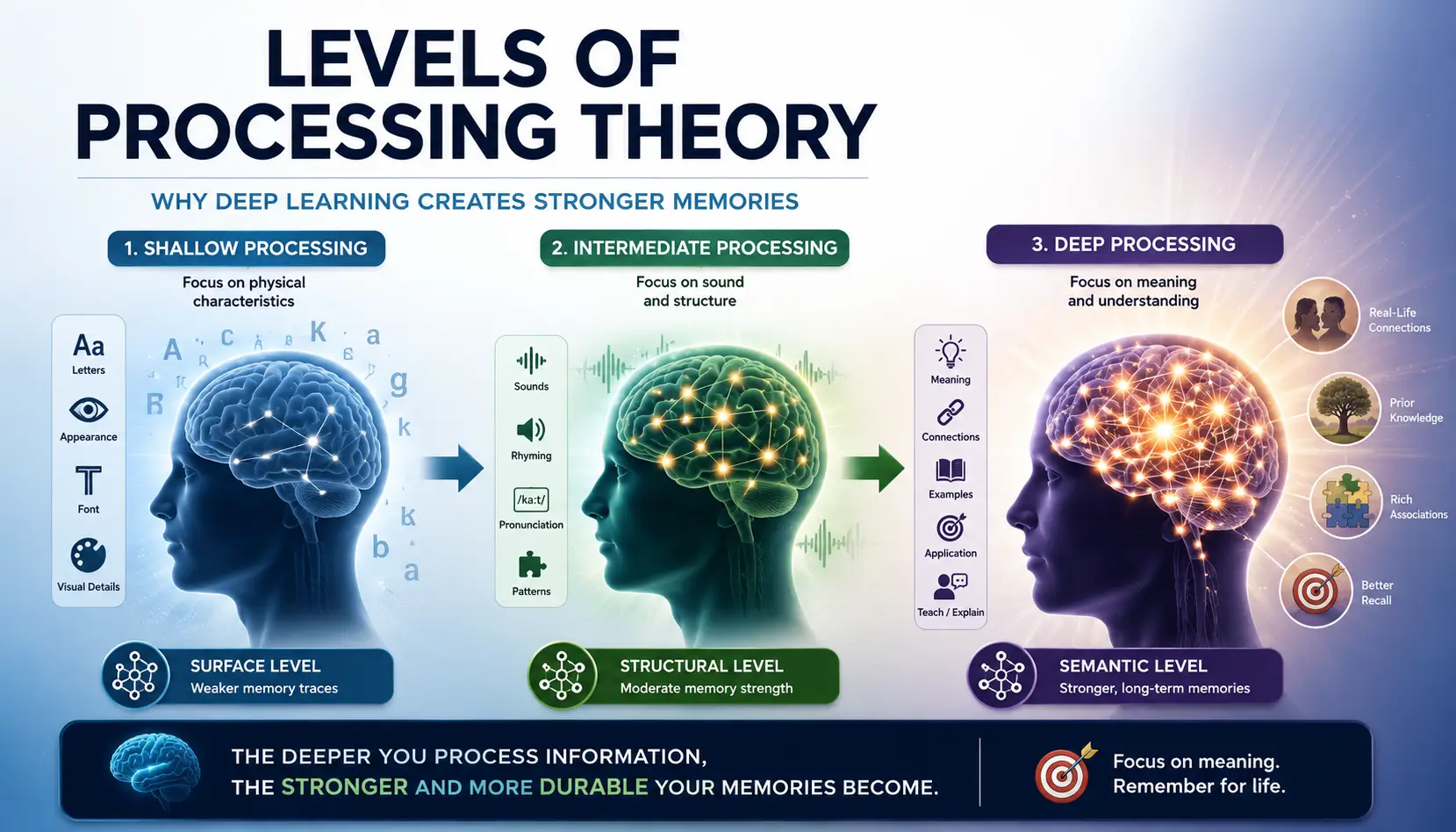
Why do some pieces of information stay with us for years while others disappear within hours? Most people assume memory depends mainly on repetition. However, cognitive psychologists have discovered that
Discover proven learning strategies, study methods, and educational techniques designed to help you learn faster and retain knowledge longer.
Why do some pieces of information stay with us for years while others disappear within hours? Most people assume memory depends mainly on repetition. However, cognitive psychologists have discovered that
Most learners eventually discover an uncomfortable truth: Learning information is often easier than remembering it. You can read a chapter, watch a lecture, or complete a course and feel confident
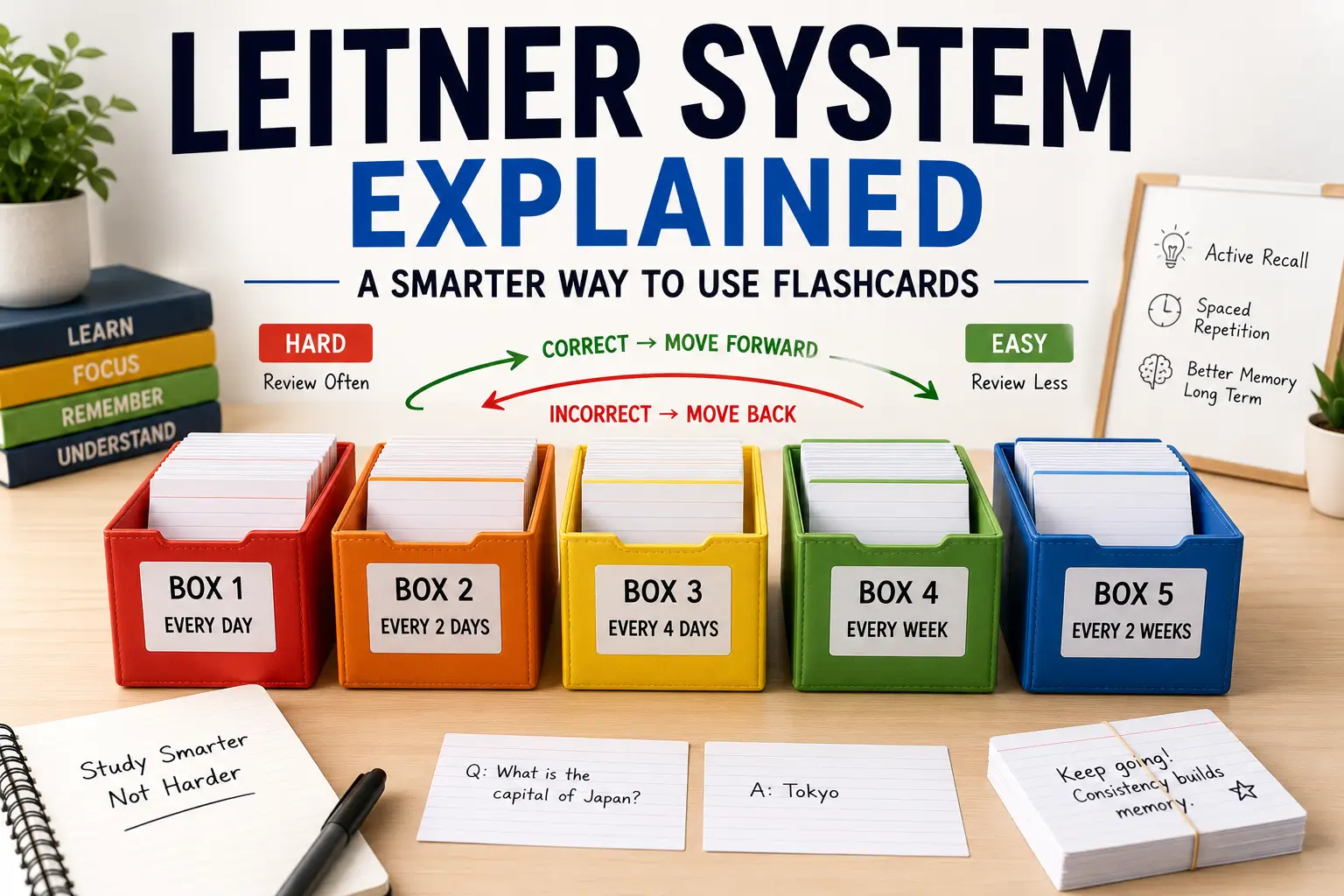
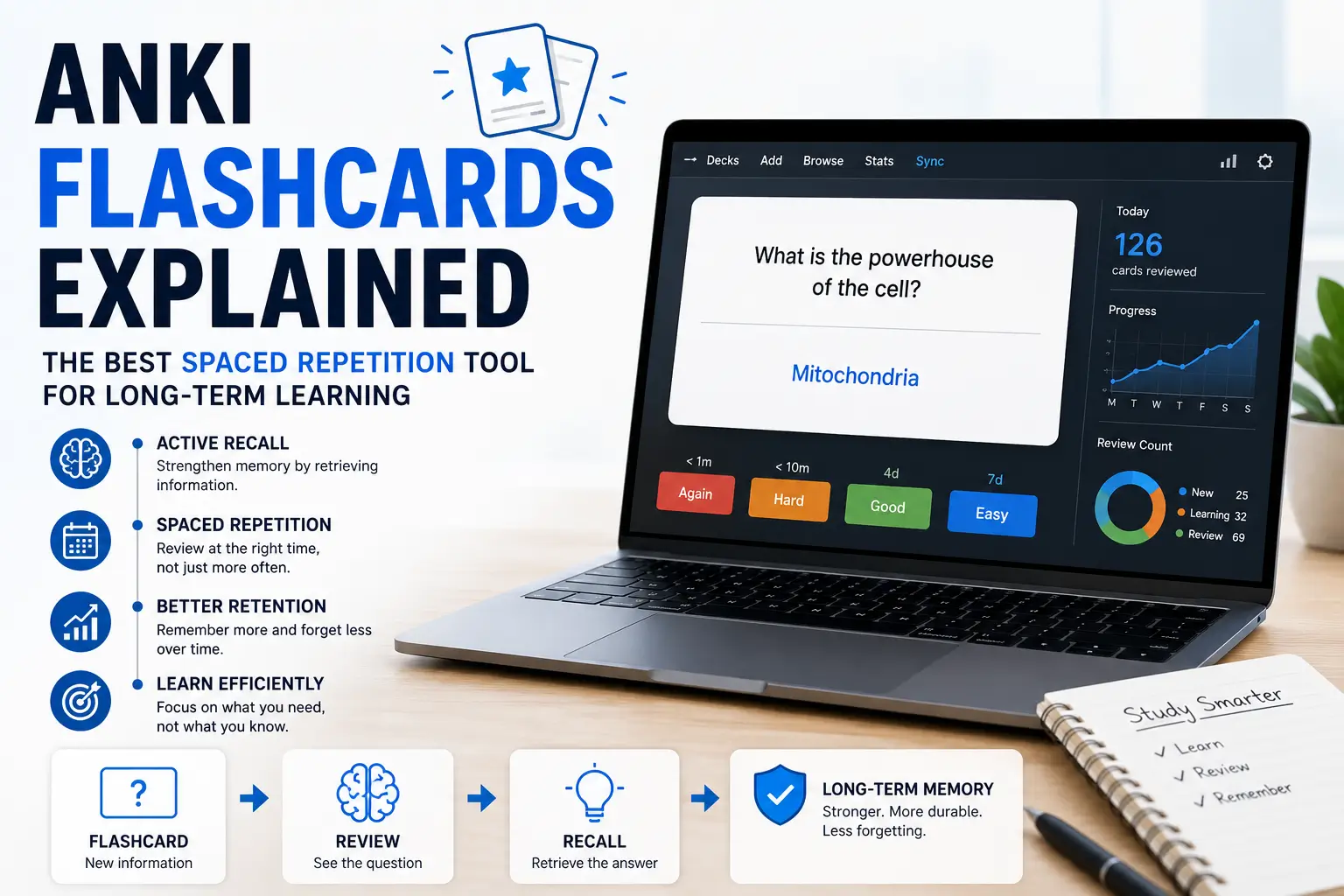
Flashcards have been used for generations as a simple way to memorize information. Students use them for vocabulary. Medical professionals use them for terminology. Language learners use them for grammar

Many people believe learning is about collecting information. Read more books. Watch more videos. Take more notes. Highlight more pages. Yet one of the most effective learners in modern history

Imagine two students preparing for the same exam. Both spend the same amount of time studying. Both read the same material. Both complete the same assignments. Yet one consistently learns
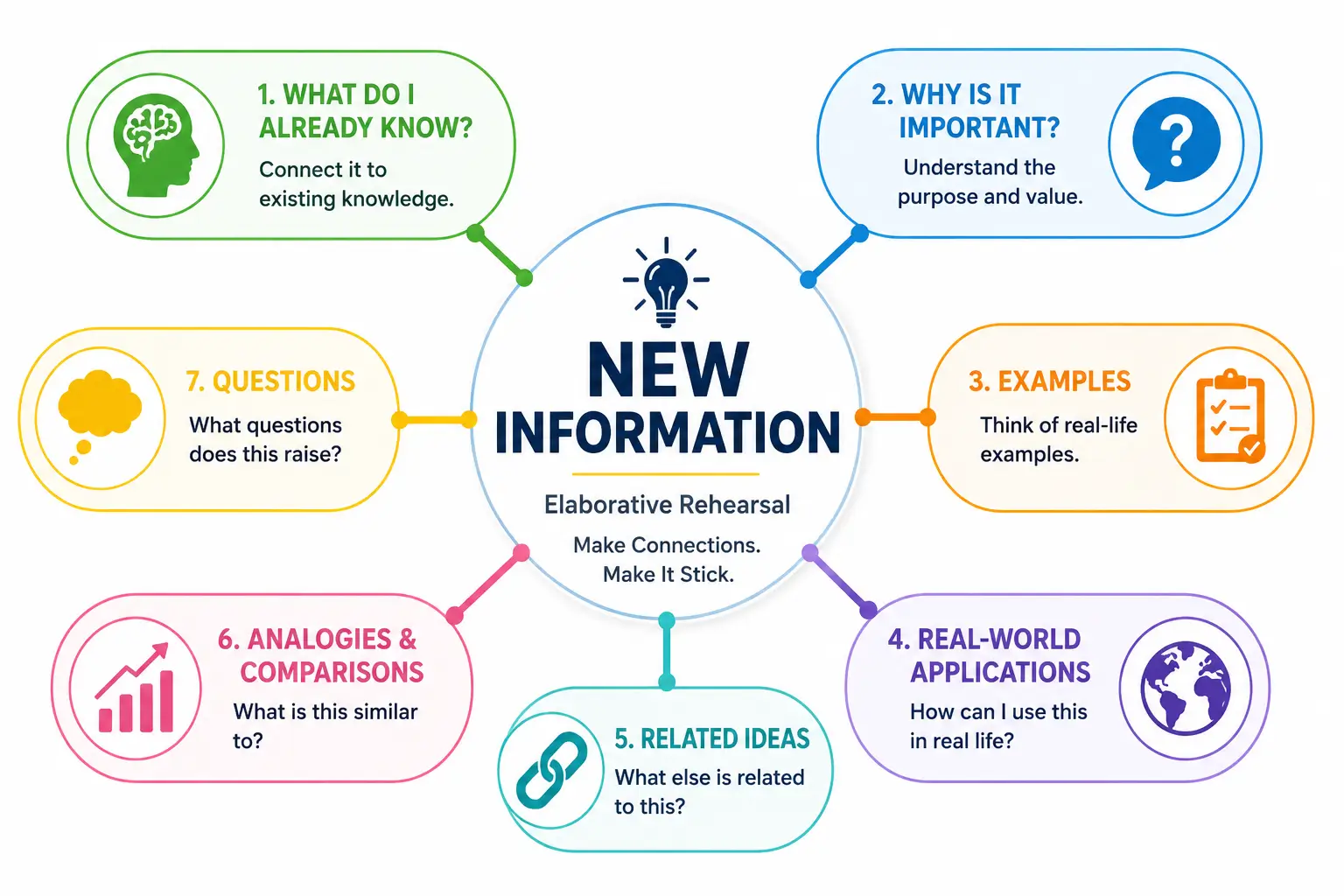
Imagine meeting two students who are trying to learn the same concept. The first student reads the information several times and repeats it silently. The second student asks questions. They
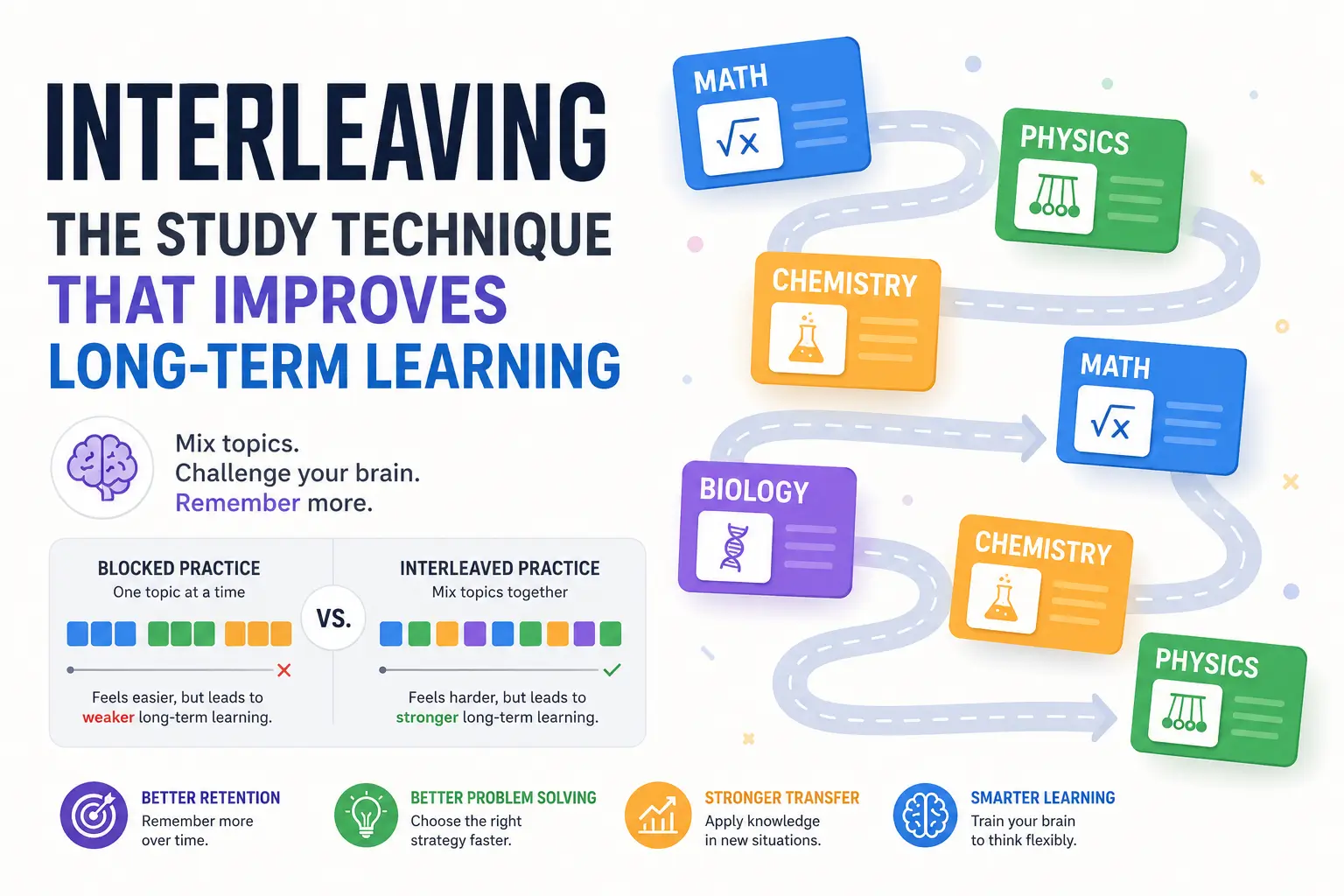
Imagine two students preparing for the same exam. The first student spends three straight hours solving only algebra problems. After that, they spend three hours on geometry and another three
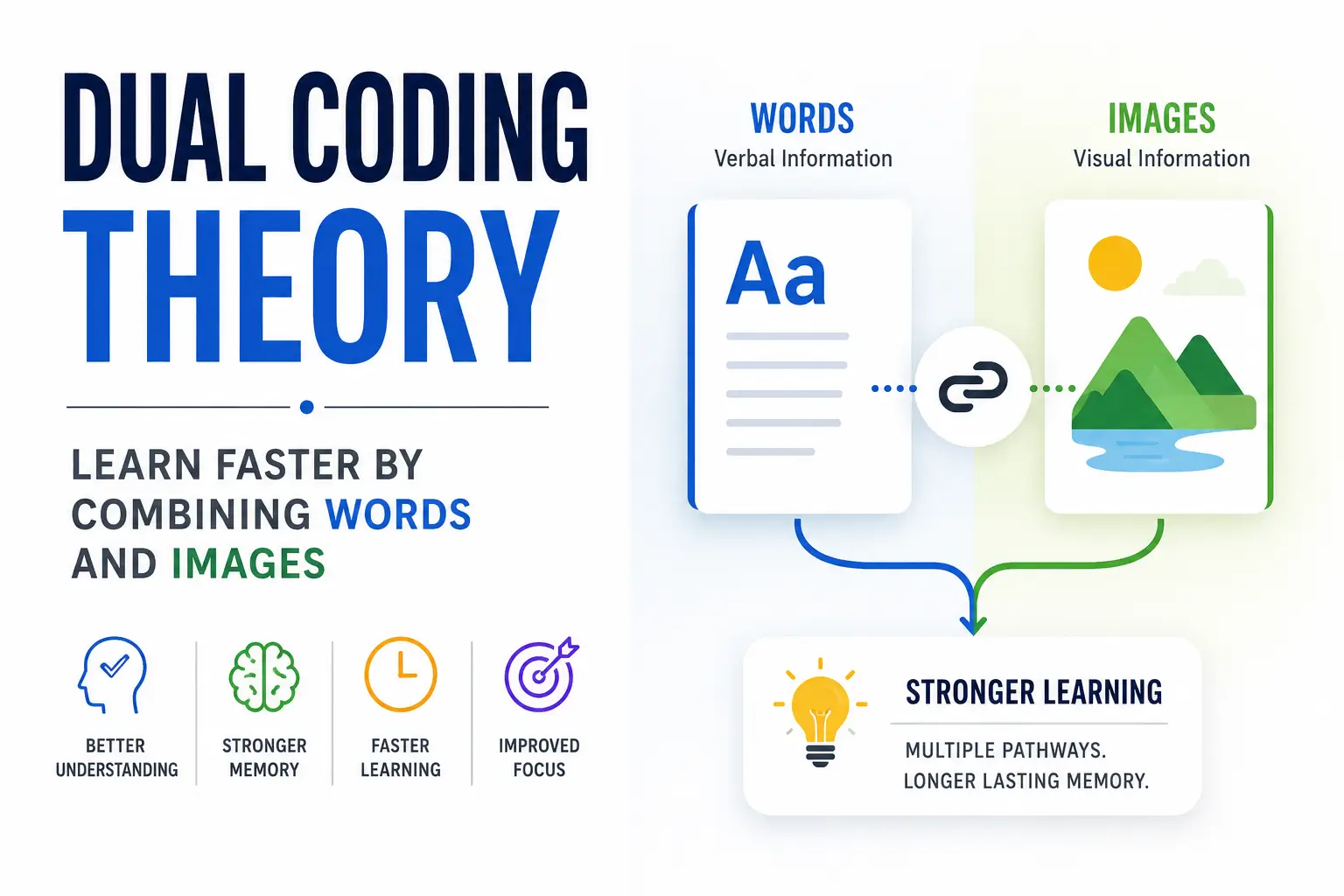
Have you ever noticed how some information seems to stick instantly while other information disappears almost as quickly as you learn it? One reason may have nothing to do with
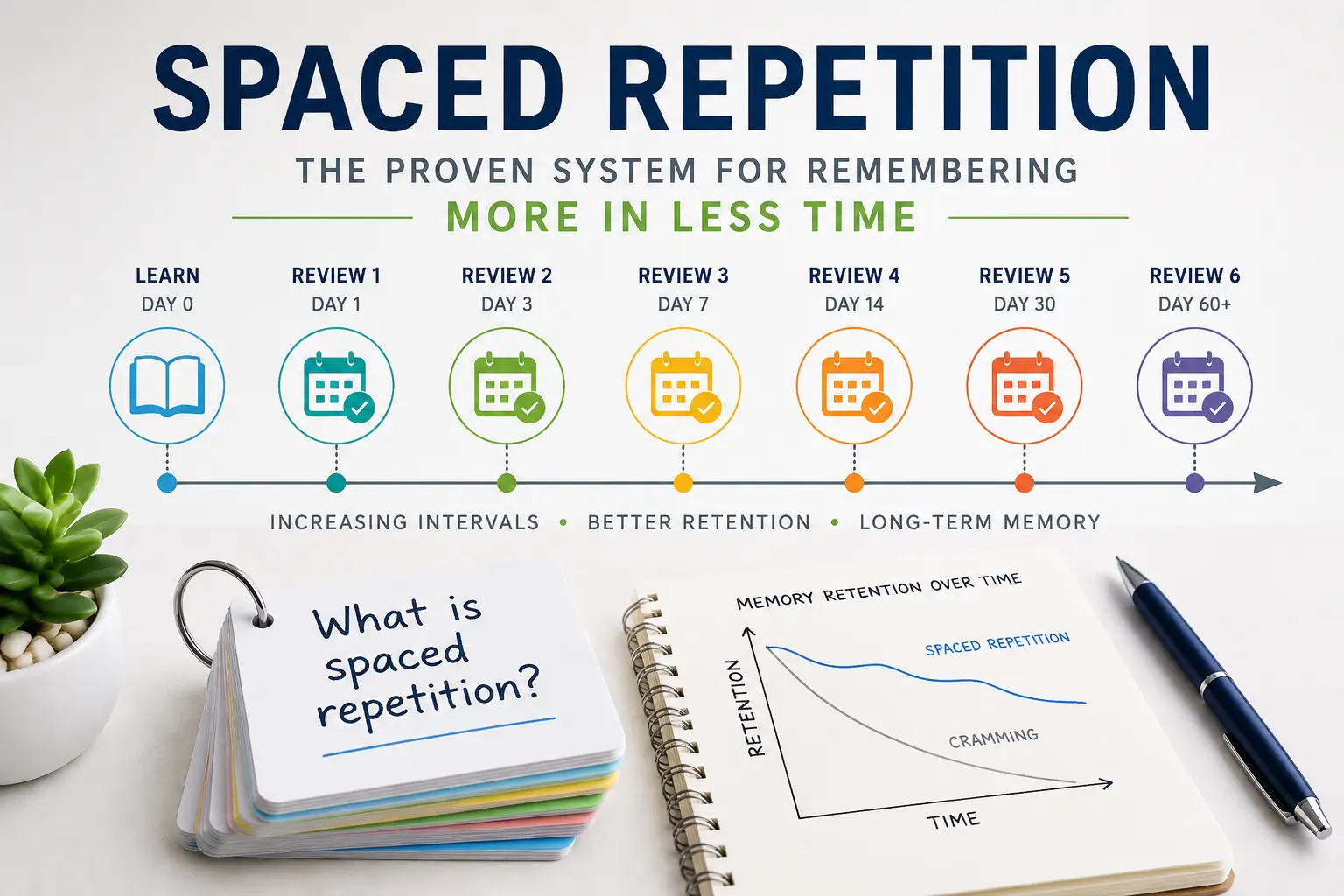
Imagine learning a new concept today and still remembering it six months from now with only a few minutes of review. For most people, that sounds unrealistic. The usual pattern
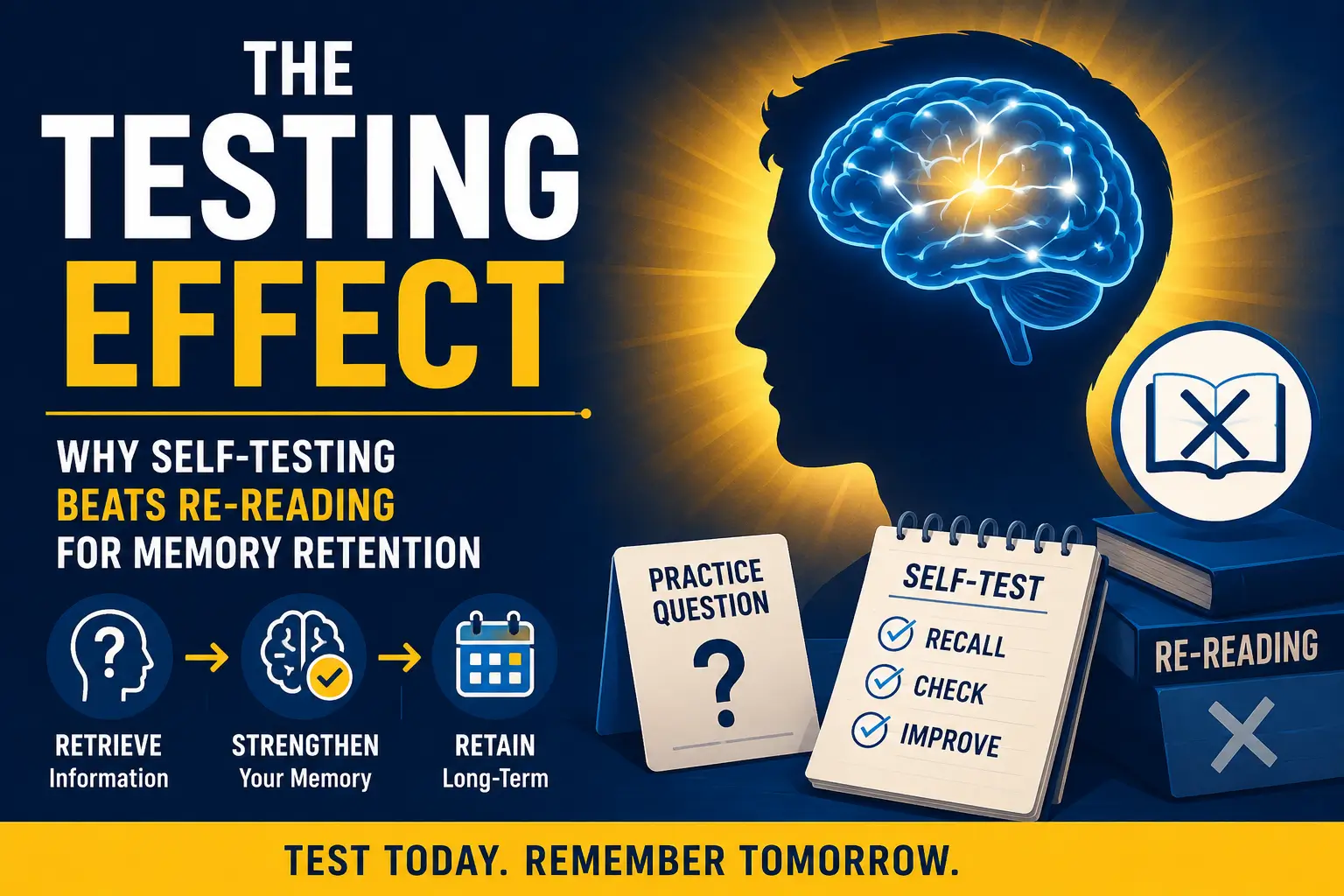
Most people think tests are only used to measure what you know. You study first, take the test later, and then the score tells you how well you learned the