
Now Reading: Memory Retention: How to Improve Learning, Recall, and Information Storage
-
01
Memory Retention: How to Improve Learning, Recall, and Information Storage
Memory Retention: How to Improve Learning, Recall, and Information Storage
Learning something new is only part of the challenge.
The real test is remembering it later.
You can read a book, attend a lecture, watch a tutorial, or complete an online course, but if the information disappears a few days later, the learning process remains incomplete.
This is where memory retention becomes important.
Memory retention refers to the brain’s ability to preserve information over time and make it available for future recall.
It is one of the most important foundations of learning, expertise, and cognitive performance.
Whether your goal is academic success, professional development, language learning, or lifelong personal growth, improving memory retention can dramatically increase learning efficiency.
What Is Memory Retention?
Memory retention is the ability to keep information available over time after it has been learned.
Retention determines whether information remains accessible days, weeks, months, or even years after initial exposure.
It is closely connected to learning because knowledge that cannot be recalled is often difficult to apply.
Strong retention allows people to build expertise gradually by preserving and expanding existing knowledge.
Weak retention leads to repeated forgetting and inefficient learning.
Why Memory Retention Matters
Memory retention influences almost every aspect of cognitive performance.
It affects:
- Academic achievement
- Professional learning
- Problem-solving ability
- Skill development
- Language acquisition
- Decision-making
The ability to retain information efficiently often separates effective learners from ineffective ones.
Knowledge becomes valuable when it remains accessible when needed.


🔬 The Science of Memory Retention
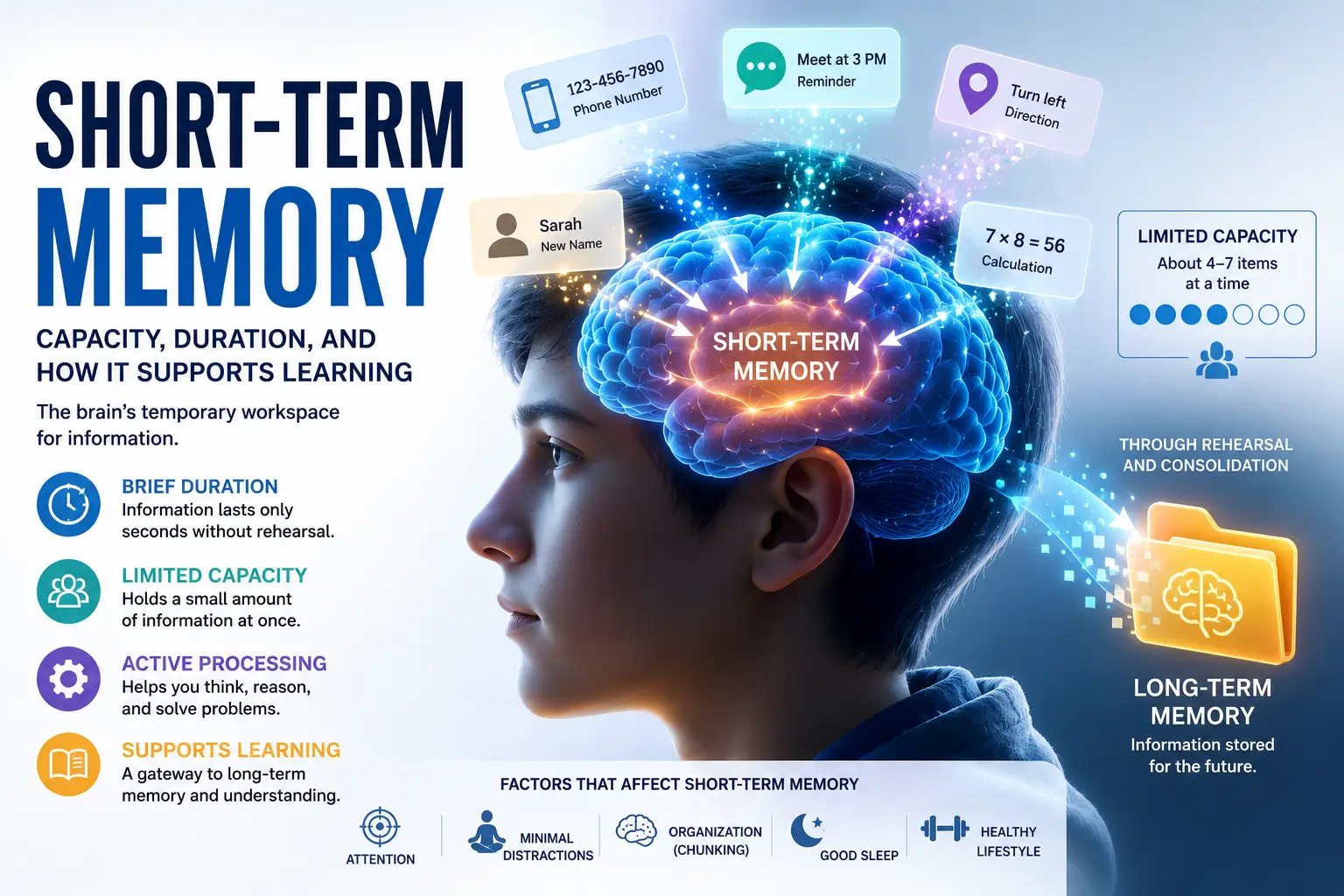
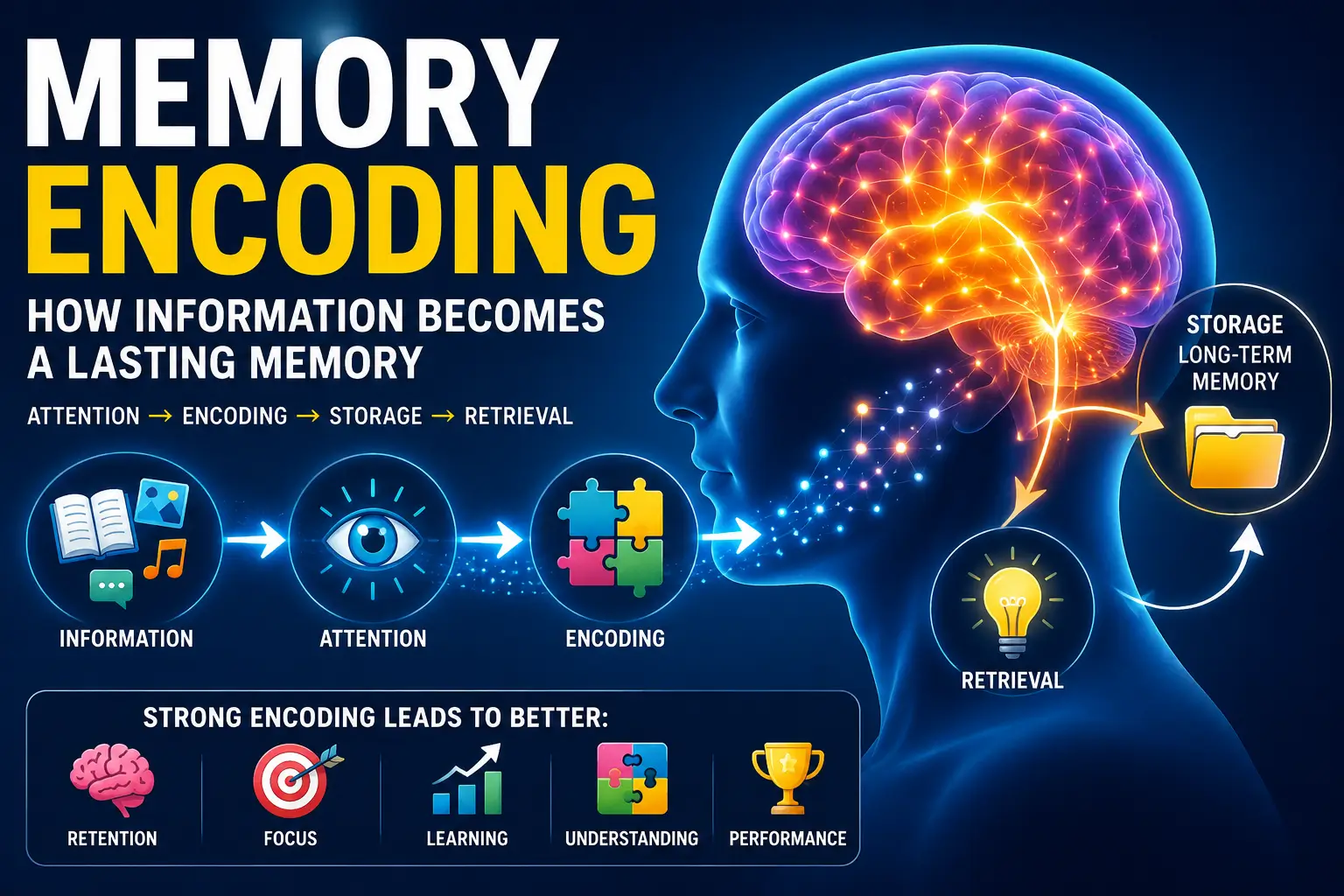
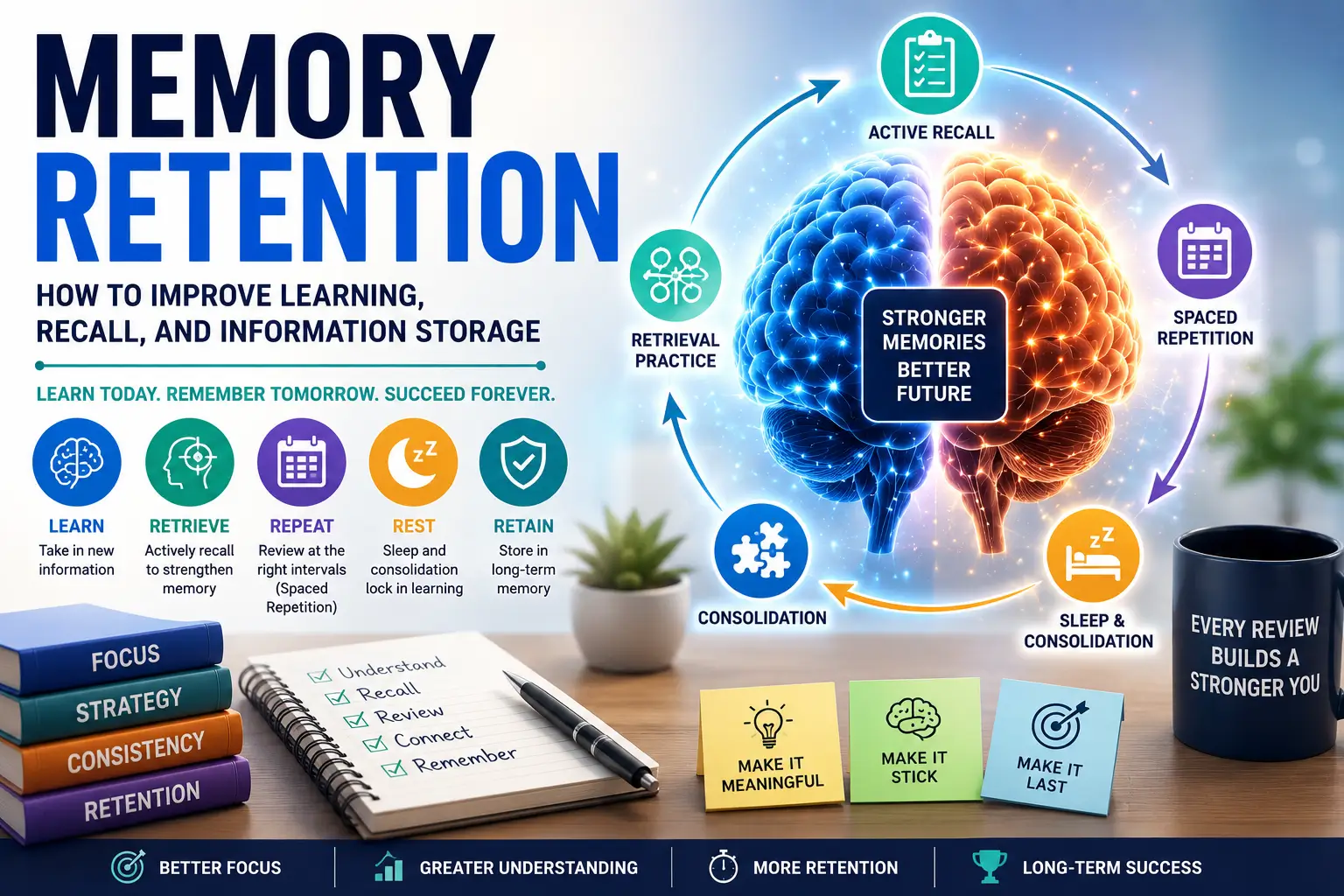
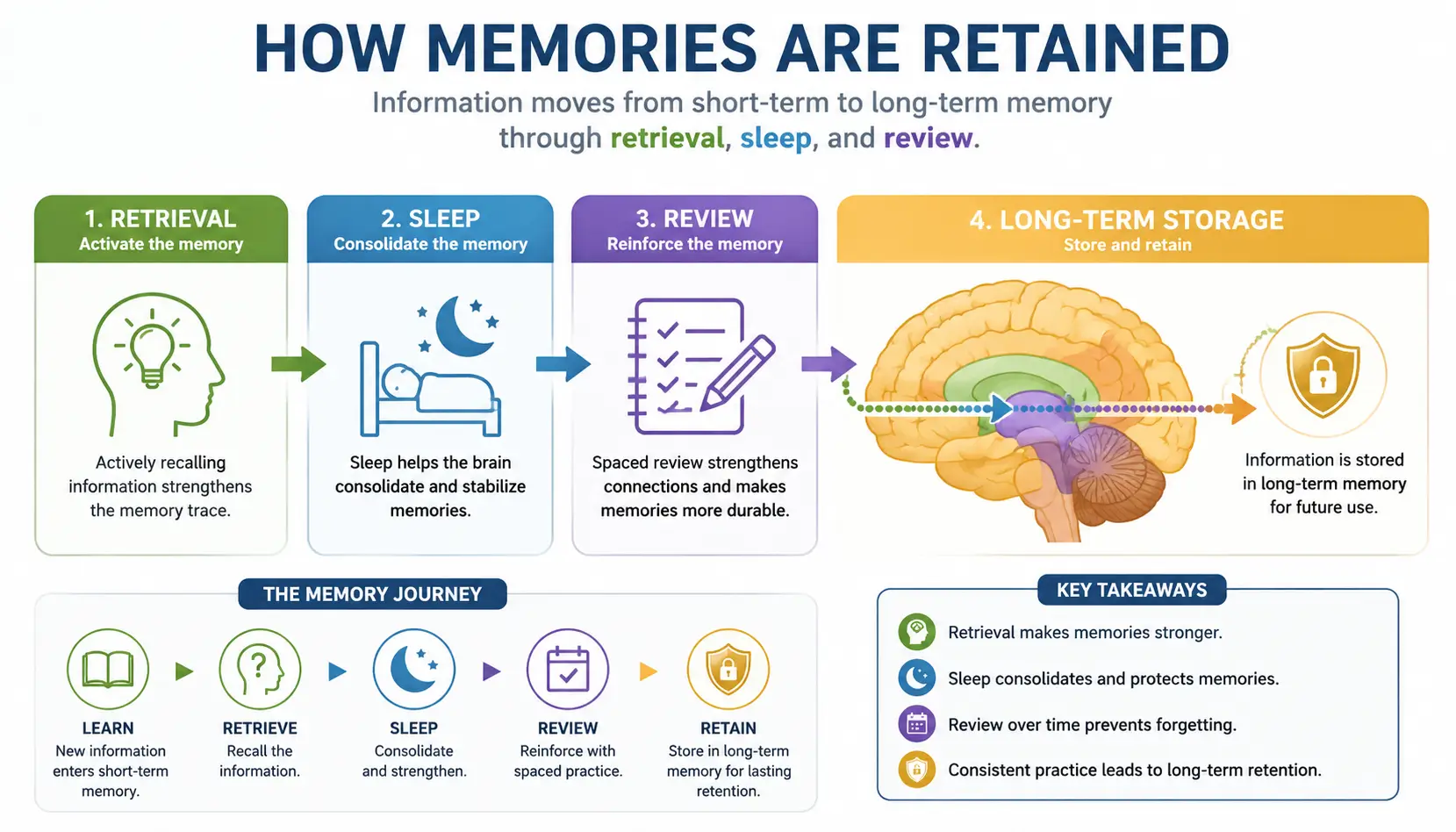
Memory retention depends on how information is encoded, consolidated, stored, and retrieved.
Researchers have found that retention improves when information is processed deeply, reviewed strategically, and retrieved repeatedly over time.
The brain strengthens memory traces through repeated activation, making future recall more likely.
This is why evidence-based learning strategies often outperform passive review methods.
Source: https://www.apa.org/education-career/undergrad/evidence-based-study-techniques
Learning creates memories. Retention keeps them available.
Why We Forget Information
If retention is so important, why do people forget so much?
One reason is that memory was never designed to store everything permanently.
The brain continuously filters information.
Experiences that are not reinforced often become less accessible over time.
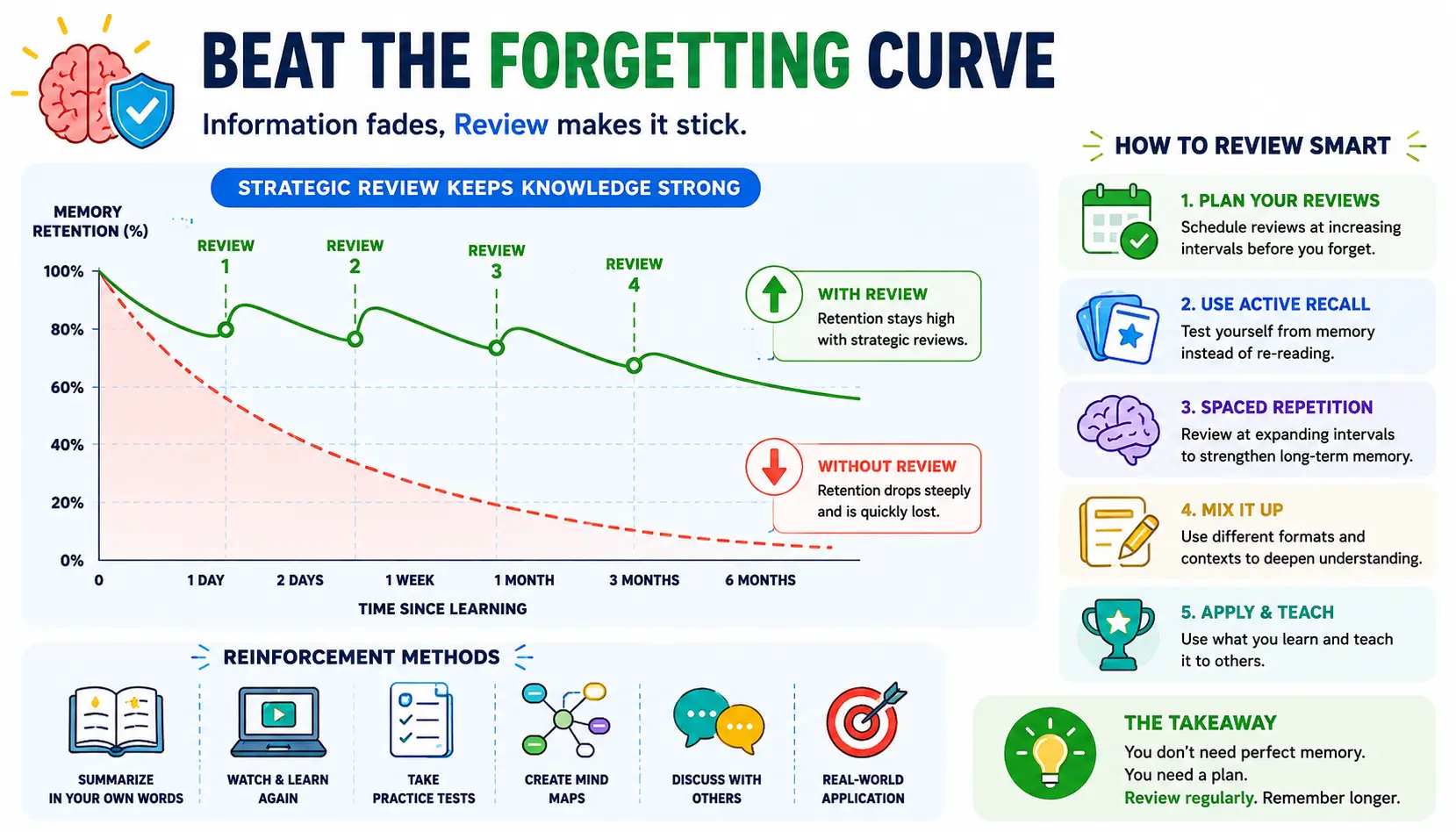
This process was famously described by the Ebbinghaus Forgetting Curve.
The forgetting curve demonstrates how rapidly information can fade without review.
Fortunately, forgetting can often be reduced through effective learning strategies.
Memory Retention and Long-Term Memory
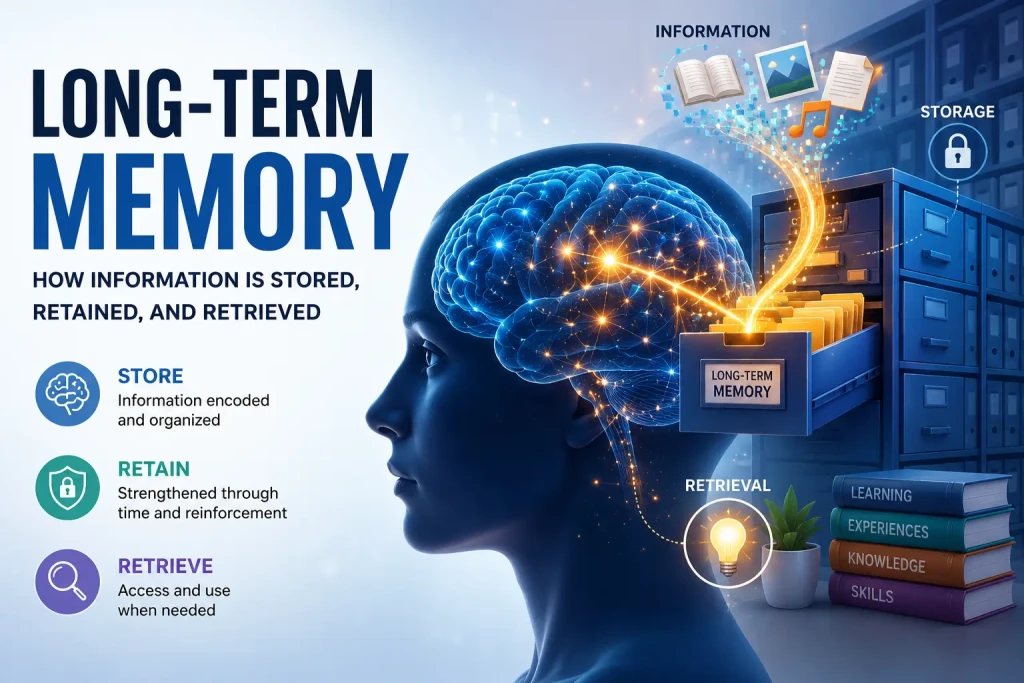
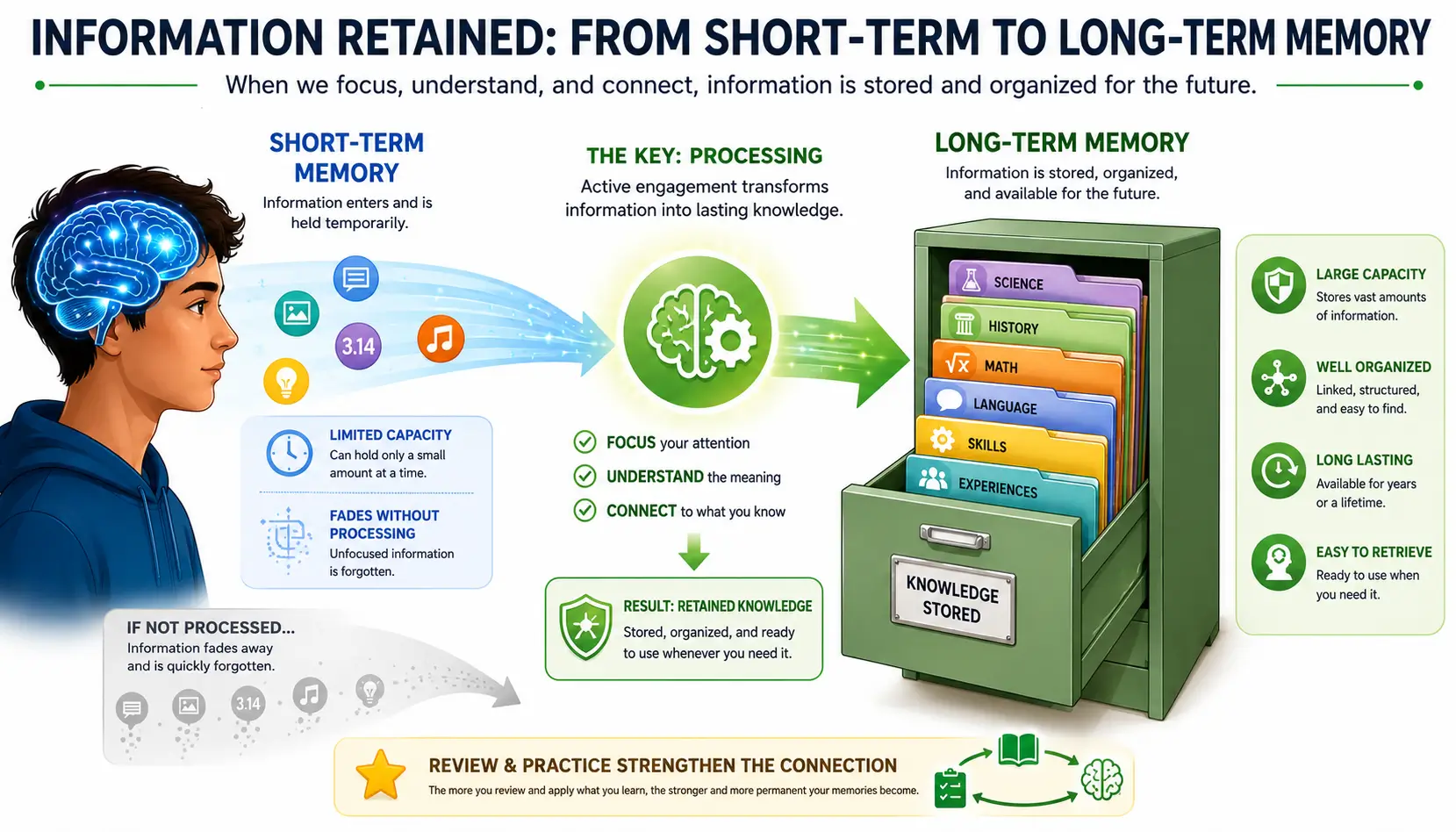
Retention is closely linked to Long-Term Memory.
The stronger information is stored within long-term memory systems, the more likely it is to remain available in the future.
Retention improves when memories become stable, organized, and connected to existing knowledge.
This process often requires more than simply reading information once.
Effective retention typically involves review, retrieval, and consolidation.
The Role of Memory Consolidation
One of the most important factors influencing retention is Memory Consolidation.
Consolidation helps transform newly learned information into more durable memory traces.
Without consolidation, memories often remain fragile and susceptible to forgetting.
The consolidation process continues after learning has ended.
This is one reason retention depends on more than study time alone.
How Sleep Supports Retention
Research consistently shows that sleep plays an important role in memory retention.
During sleep, the brain continues processing and stabilizing newly acquired information.
This relationship is explored in greater detail in Sleep and Memory Consolidation.
Many learners notice that information feels easier to recall after a good night’s sleep.
Sleep supports the processes that help preserve learning over time.
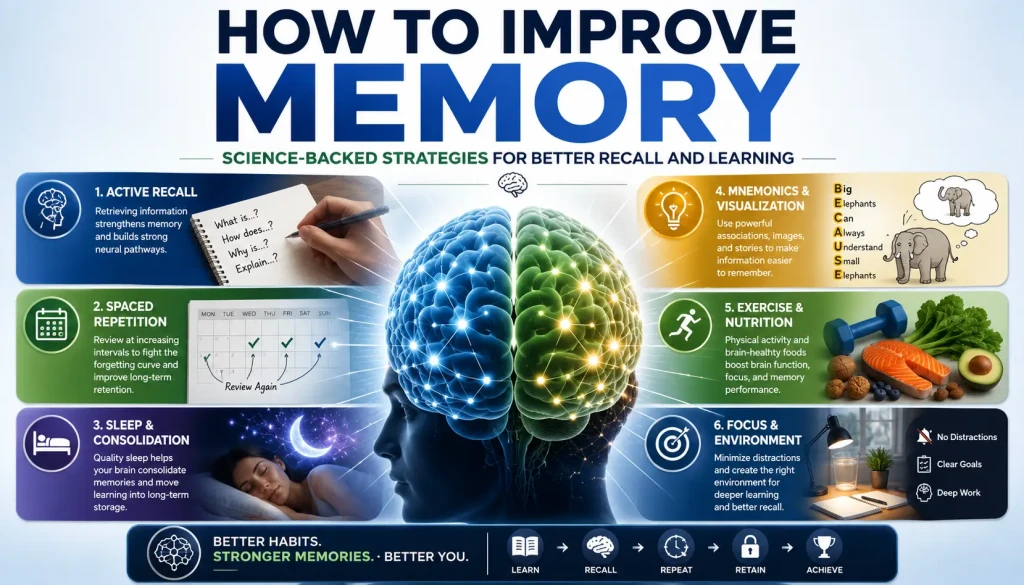
Active Recall and Memory Retention
One of the most effective ways to improve retention is through Active Recall.
Rather than repeatedly reviewing information, active recall requires learners to retrieve information from memory.
This retrieval process strengthens memory pathways and improves future recall.
The effort involved in remembering often creates stronger retention than passive review alone.
In many cases, testing yourself can be more effective than rereading notes.
Why Retrieval Practice Works
This works because strong retention depends on efficient memory retrieval, not just successful exposure during study.
Closely related to active recall is Retrieval Practice.
Each successful retrieval strengthens memory traces and increases accessibility.
Retrieval is not merely a measurement of learning.
It is an important part of learning itself.
The more often information is successfully retrieved, the stronger retention tends to become.
Spaced Repetition and Long-Term Retention
At a broader level, this scheduling principle is known as distributed practice, where learning is spread across time to reduce forgetting.
If active recall strengthens memory, Spaced Repetition helps determine when that strengthening should occur.
Rather than reviewing information continuously, spaced repetition schedules reviews at carefully chosen intervals.
Each review occurs before forgetting becomes complete.
This timing helps reinforce memory while minimizing unnecessary study time.
Spaced repetition is widely considered one of the most effective strategies for long-term retention.
Anki and Modern Retention Systems
Many learners use Anki Flashcards to automate spaced repetition.
Anki combines active recall and intelligent review scheduling into a single system.
The software prioritizes information that is most likely to be forgotten while reducing unnecessary reviews of material that has already been mastered.
This efficient approach helps maximize retention while minimizing study time.
It is one reason Anki remains popular among students, professionals, and lifelong learners.
How Meaning Improves Memory Retention
Retention also improves when information feels personally relevant, which is one reason the self-reference effect can make learning more memorable.
Information is often remembered more easily when it is meaningful.
The brain tends to retain information more effectively when it can connect new knowledge to existing knowledge.
This is one reason Elaborative Rehearsal is so effective.
By creating associations and explanations, learners make information easier to retrieve later.
Meaningful learning often produces stronger retention than simple repetition.
Memory Techniques That Support Retention
Many classic memory methods are specifically designed to improve retention.
Examples include:
These techniques strengthen memory by increasing organization, association, and retrieval pathways.
The more retrieval routes the brain has available, the more likely successful recall becomes.
Common Reasons Retention Fails
Passive Review
Rereading notes repeatedly may create familiarity without creating durable memory.
Information Overload
When too much information is introduced simultaneously, retention often suffers.
This relates closely to Cognitive Load Theory.
Lack of Retrieval
Information that is never recalled often becomes increasingly difficult to access.
Poor Sleep
Sleep deprivation can interfere with consolidation and long-term retention.
Insufficient Review
Memories generally require reinforcement if they are expected to remain accessible over long periods.
Can Memory Retention Be Improved?
For most people, the answer is yes.
Although memory performance varies between individuals, evidence-based learning strategies can significantly improve retention.
Effective habits include:
- Using active recall
- Applying spaced repetition
- Practicing retrieval regularly
- Improving sleep quality
- Reducing distractions
- Creating meaningful associations
- Managing cognitive load
Small improvements applied consistently can produce substantial gains over time.
Retention Is the Goal of Learning
For a practical overview of strategies that improve recall and long-term learning, see how to improve memory.
Many people focus heavily on study time.
However, learning is not measured by how long information is studied.
Learning is measured by how well information can be recalled and applied later.
Retention transforms temporary exposure into usable knowledge.
Without retention, learning remains incomplete.
Supporting Memory Beyond Study Techniques
Memory retention depends on more than learning strategies alone.
Sleep, stress management, physical activity, nutrition, and cognitive health all influence long-term memory performance.
Many learners combine evidence-based study methods with broader approaches that support healthy brain function.
Readers interested in memory-supportive nutritional strategies can learn more about Advanced Memory Formula.
Building Knowledge That Lasts
Memory retention is the bridge between learning and lasting knowledge.
It determines whether information remains available when it is needed most.
By understanding how memory works and applying proven learning strategies, learners can dramatically improve their ability to remember, recall, and apply information.
The purpose of learning is not exposure to information. The purpose of learning is retention.
Whether through active recall, retrieval practice, spaced repetition, quality sleep, or memory techniques, every effective learning strategy ultimately aims to achieve the same goal:
Helping knowledge last.