



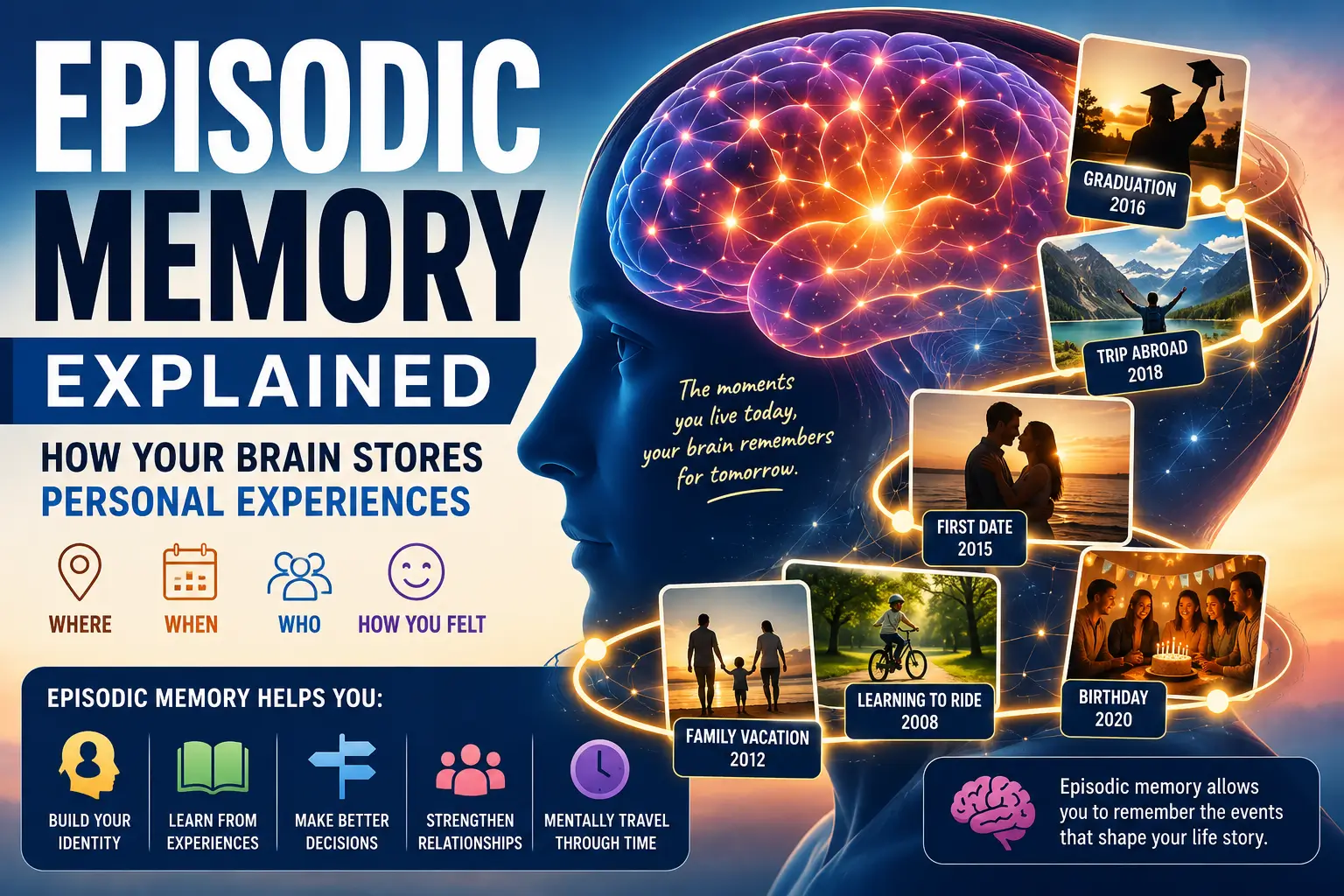
Think about your last birthday. You may remember who was there, what you ate, conversations you had, or even how you felt during the celebration. Perhaps you can recall your
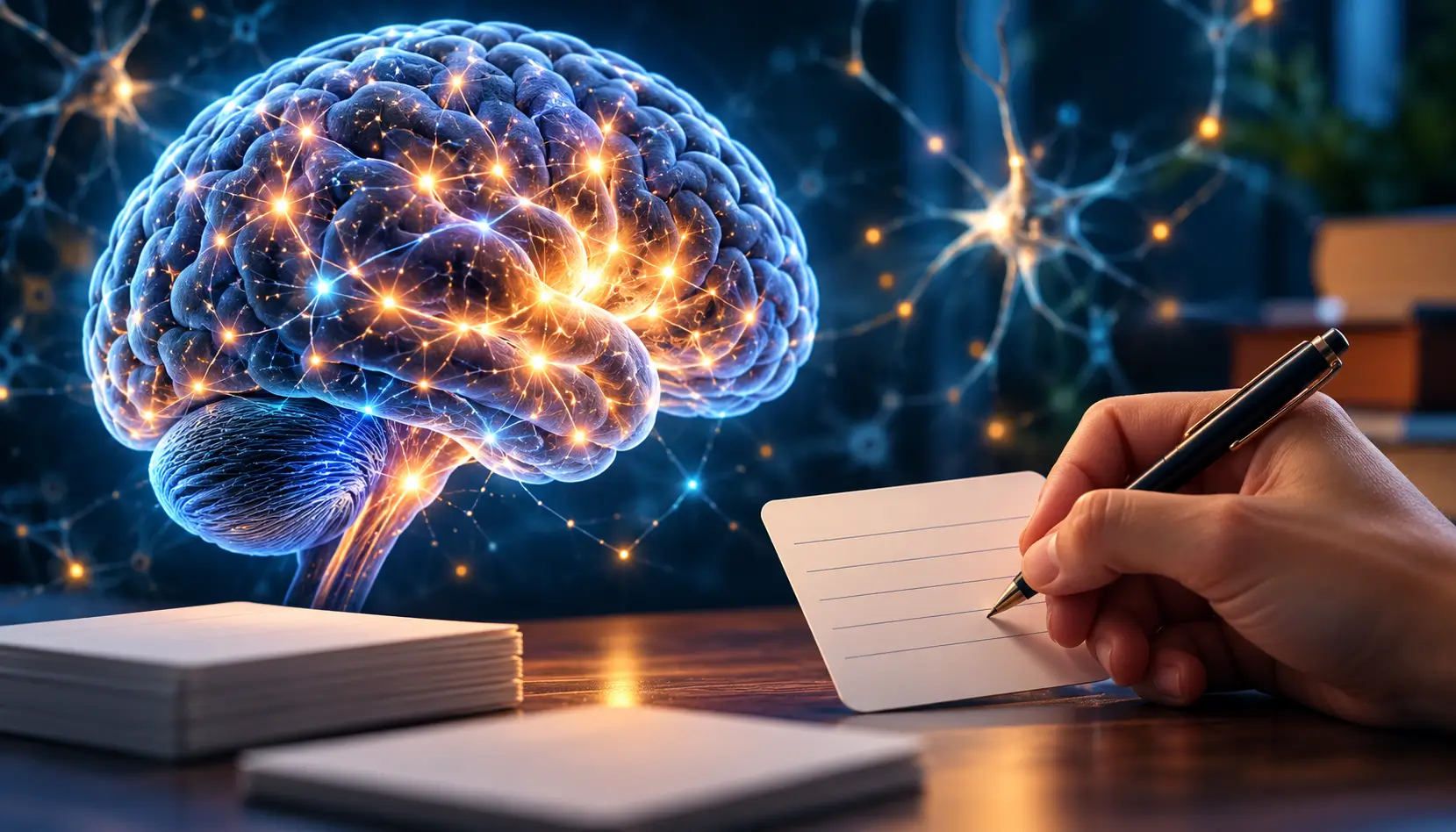
Imagine studying a list of unfamiliar concepts. You read each definition carefully, highlight the important words, and review the material several times. Everything feels familiar. Yet when someone asks you
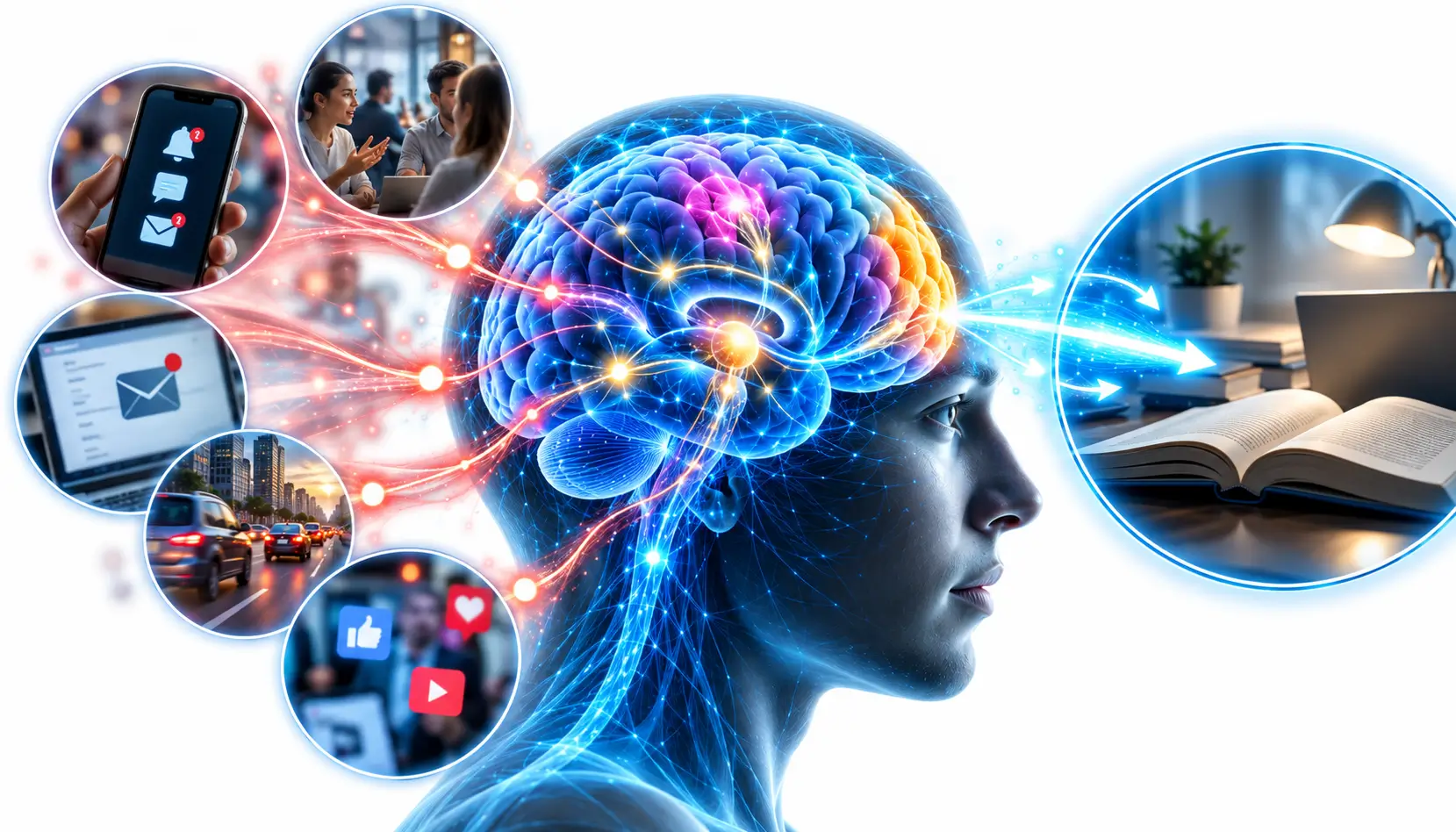
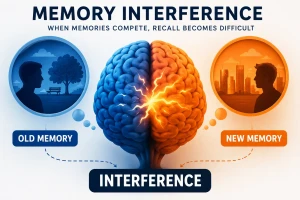
You open your laptop intending to finish one important task. A notification appears. You check it for a few seconds, return to your work, remember an email you meant to
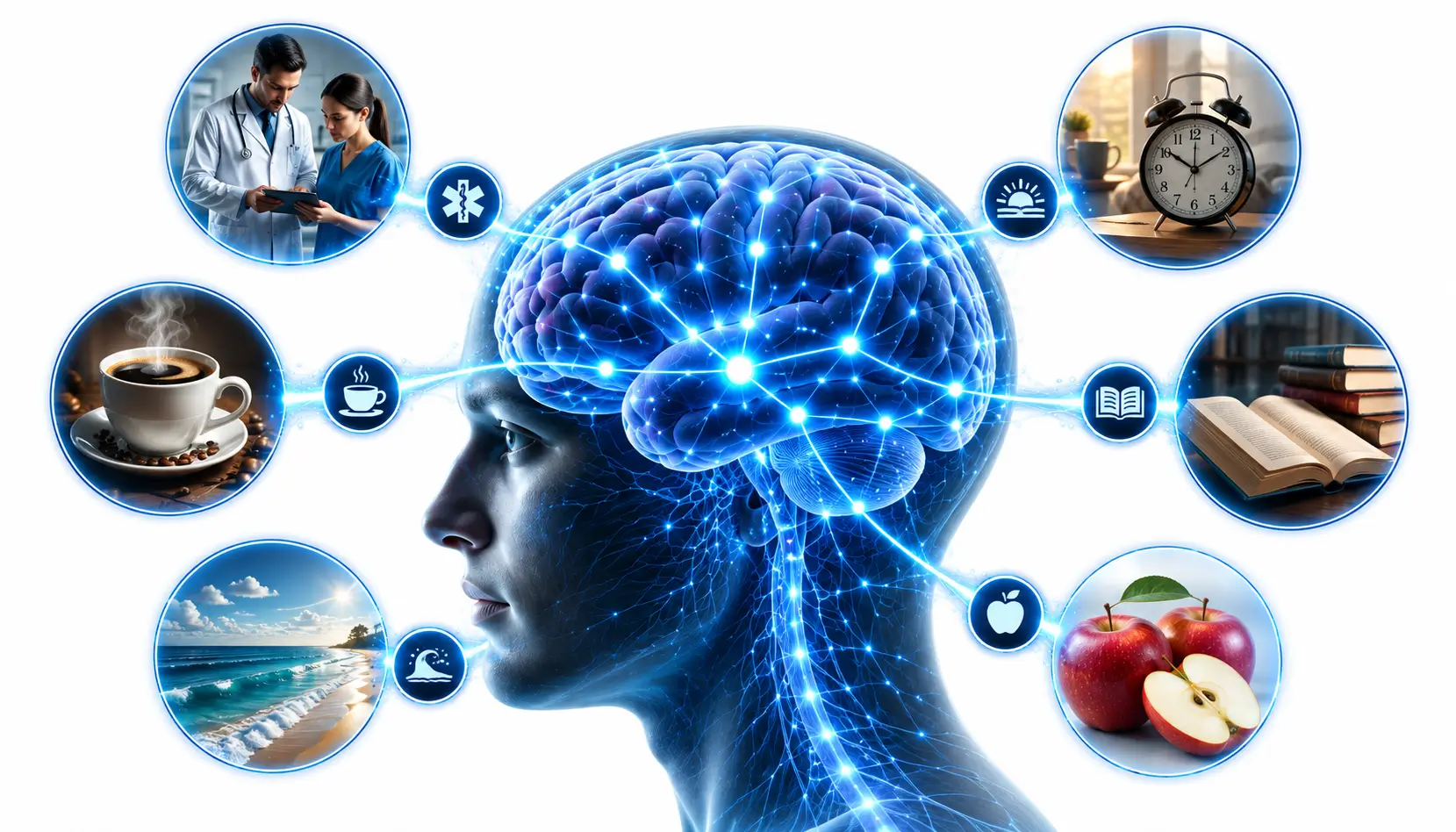
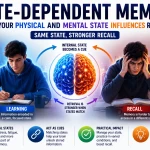
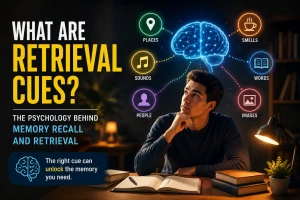
Imagine walking into a bakery on your way home from work. The warm smell of freshly baked bread instantly makes you feel hungry—even if you had dinner an hour earlier.
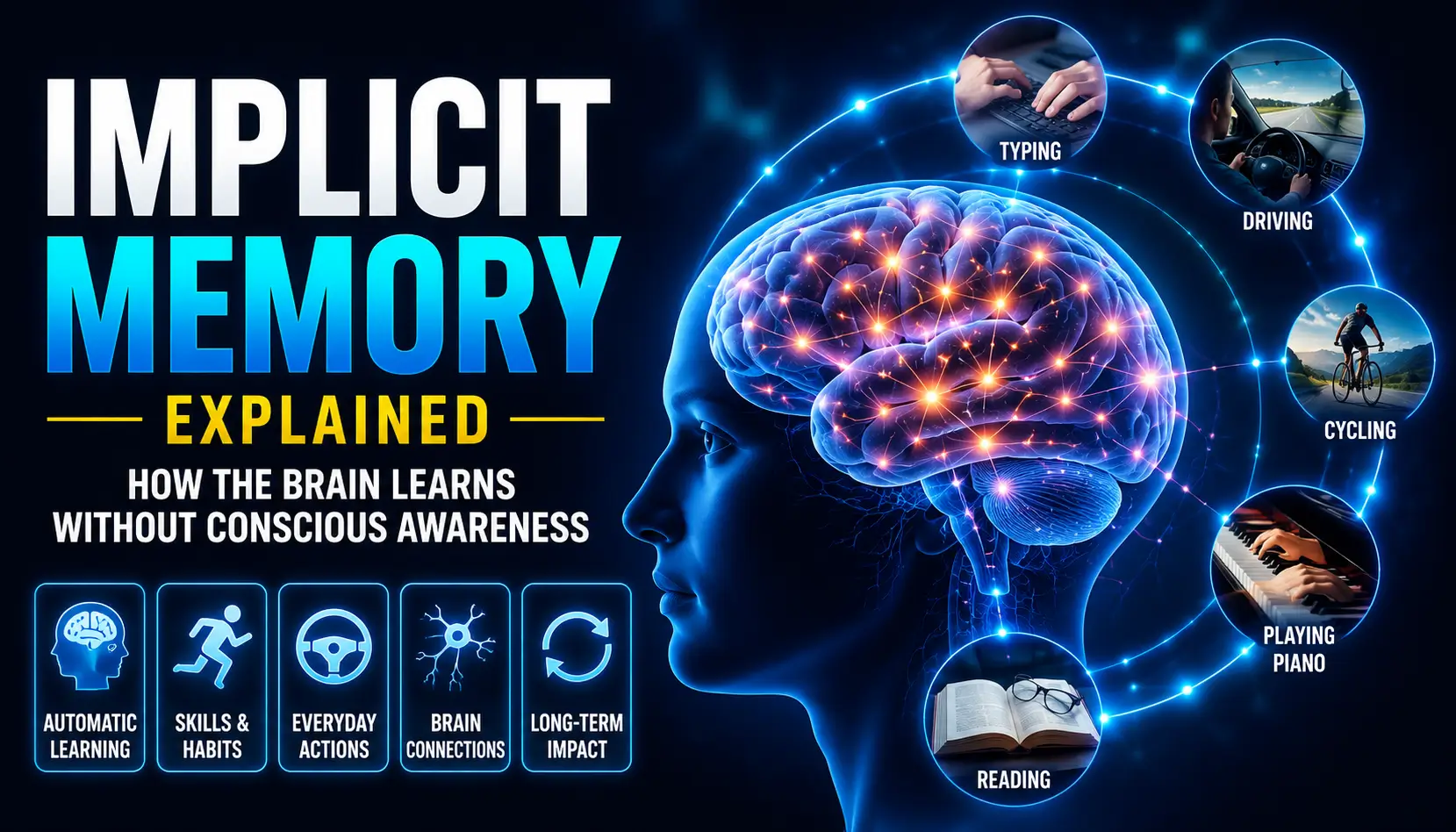
You pull into your driveway after work, turn off the engine, and reach for your keys. As you step out of the car, a strange thought crosses your mind—you barely
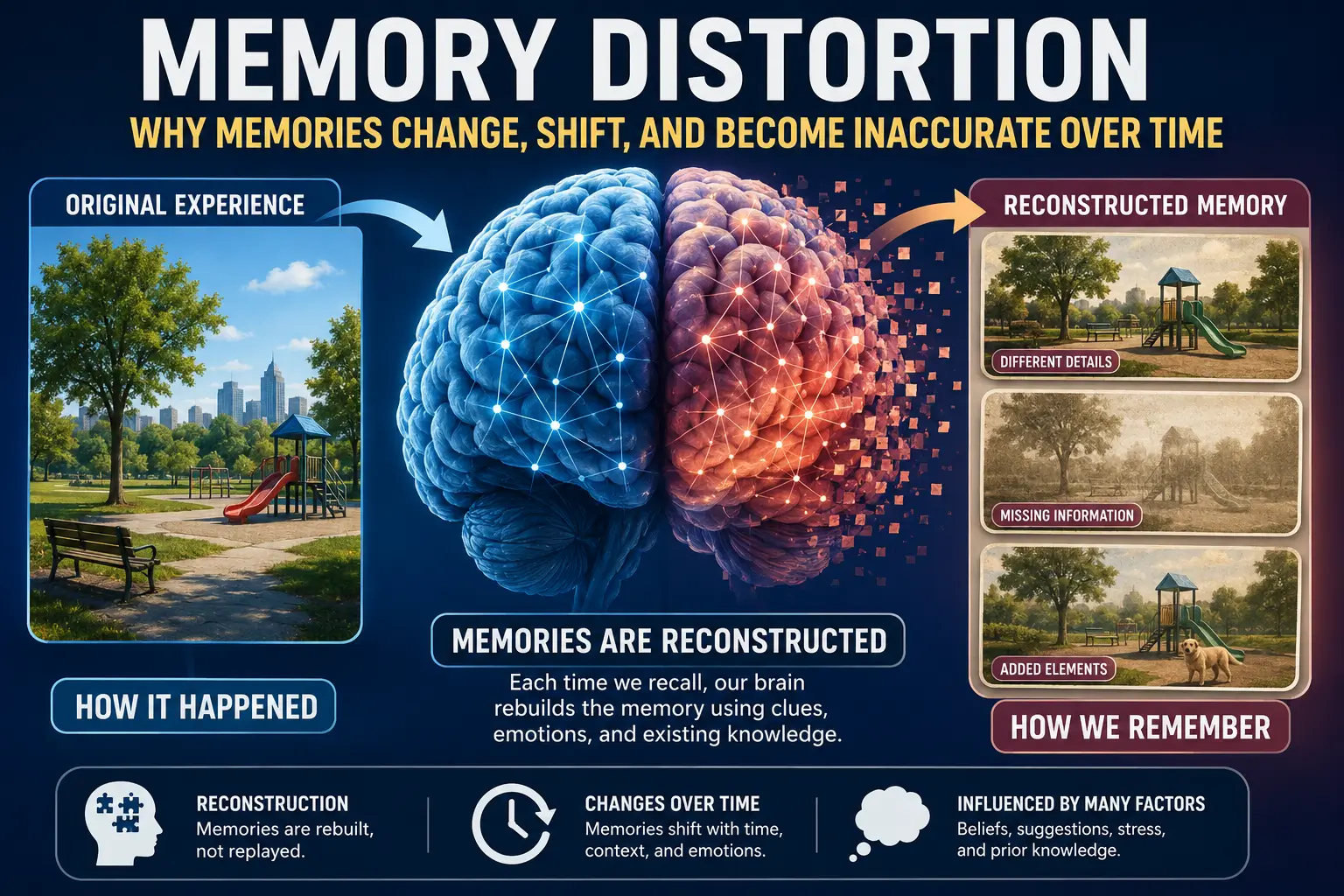
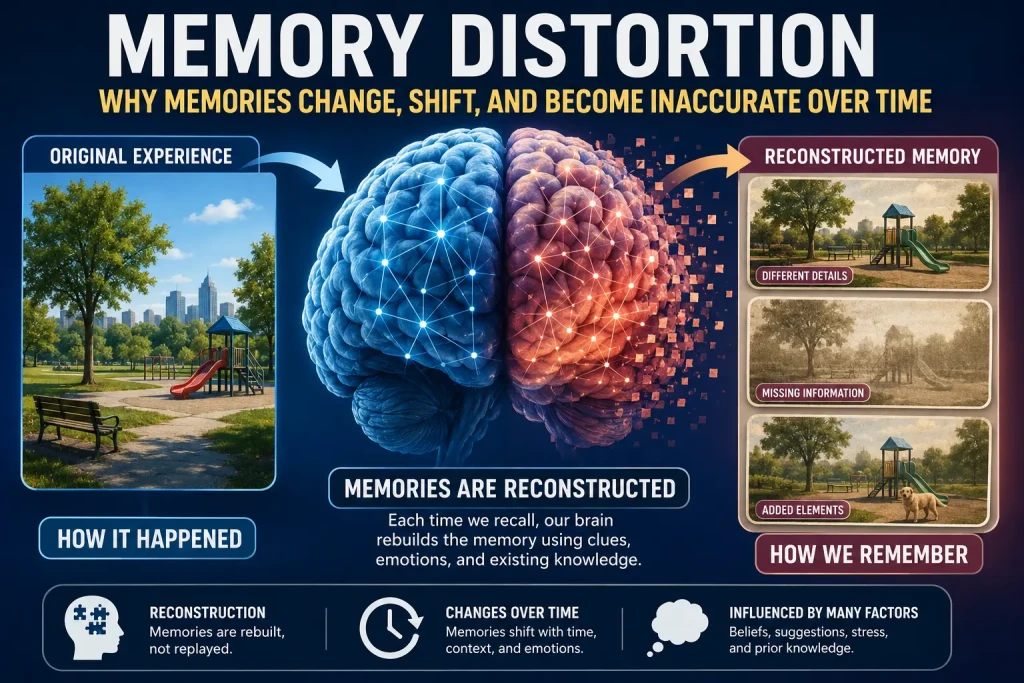
Many people think of memory as a recording device that stores experiences exactly as they happened. Modern cognitive psychology tells a very different story. Memory is not a perfect archive.
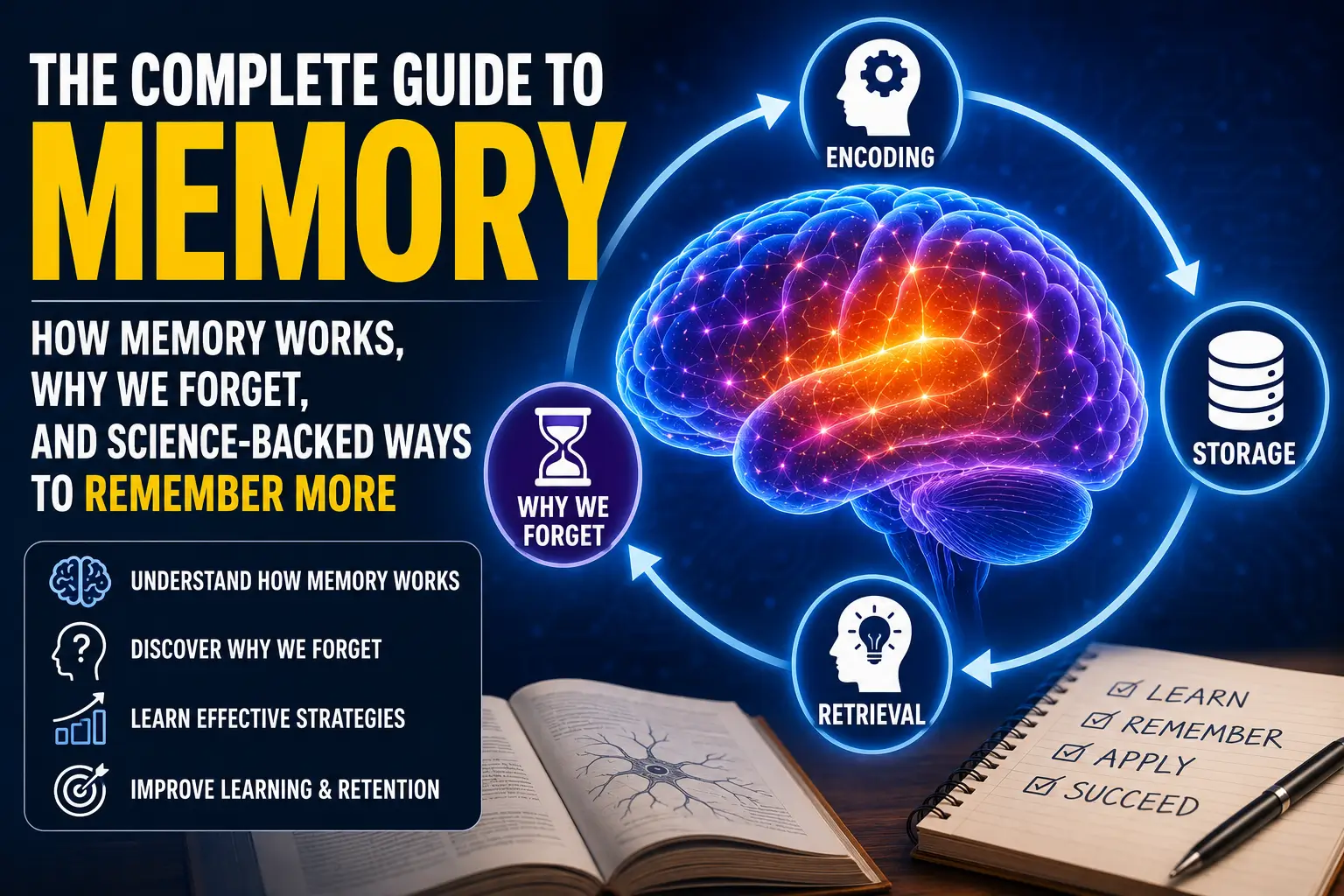
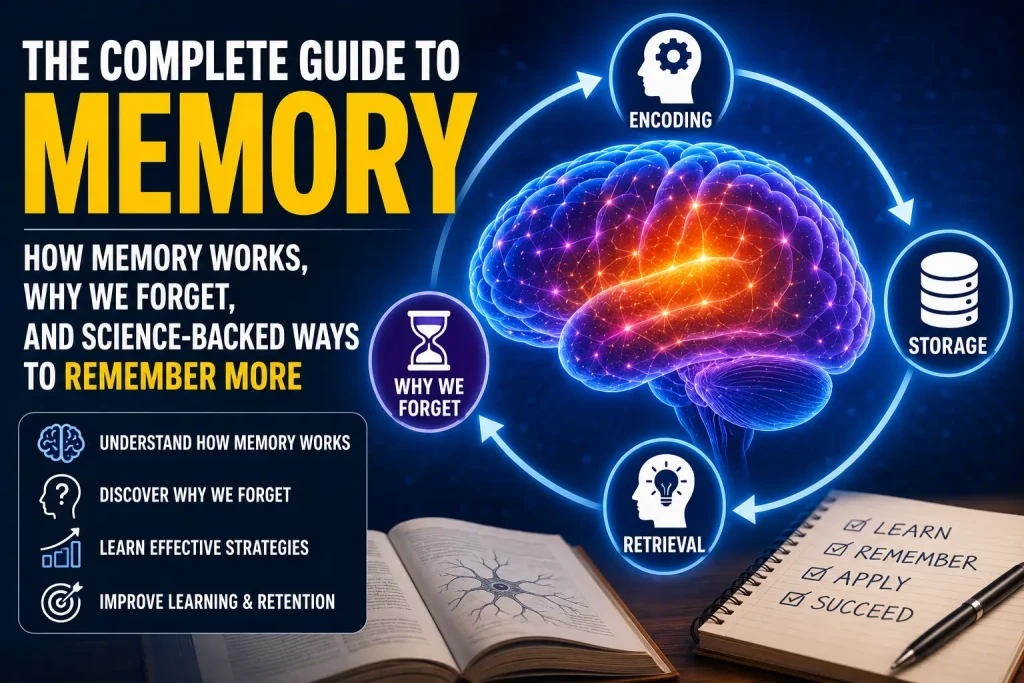
Memory is the brain’s ability to encode, store, and retrieve information. Modern cognitive science shows that memory is not a single system but a collection of interconnected processes that support
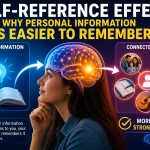
Think about your last birthday. You may remember who was there, what you ate, conversations you had, or even how you felt during the celebration. Perhaps you can recall your
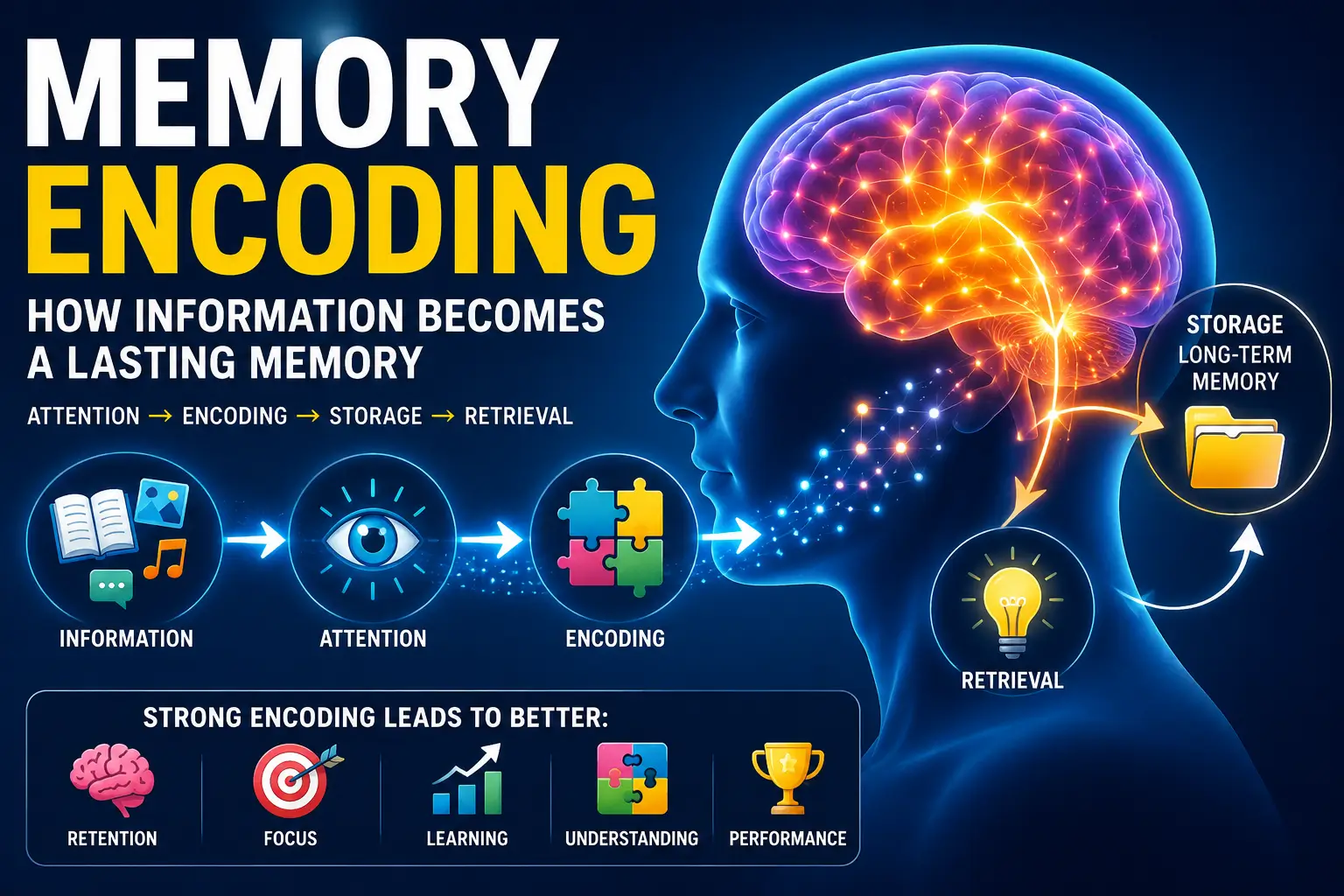
Every day, your brain is exposed to an enormous amount of information. Conversations, books, videos, experiences, sounds, faces, and ideas constantly compete for attention. Yet only a small portion of
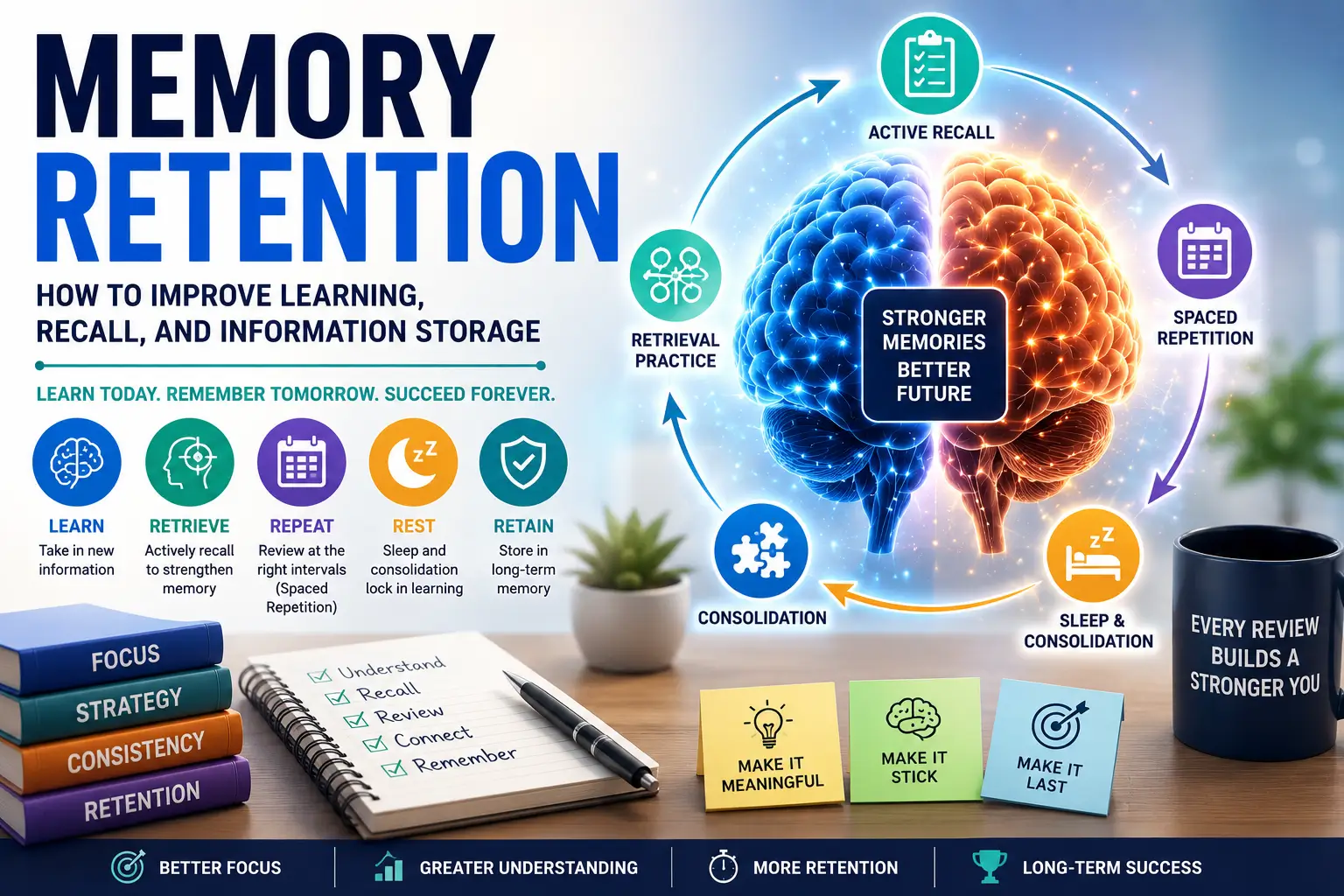
Learning something new is only part of the challenge. The real test is remembering it later. You can read a book, attend a lecture, watch a tutorial, or complete an
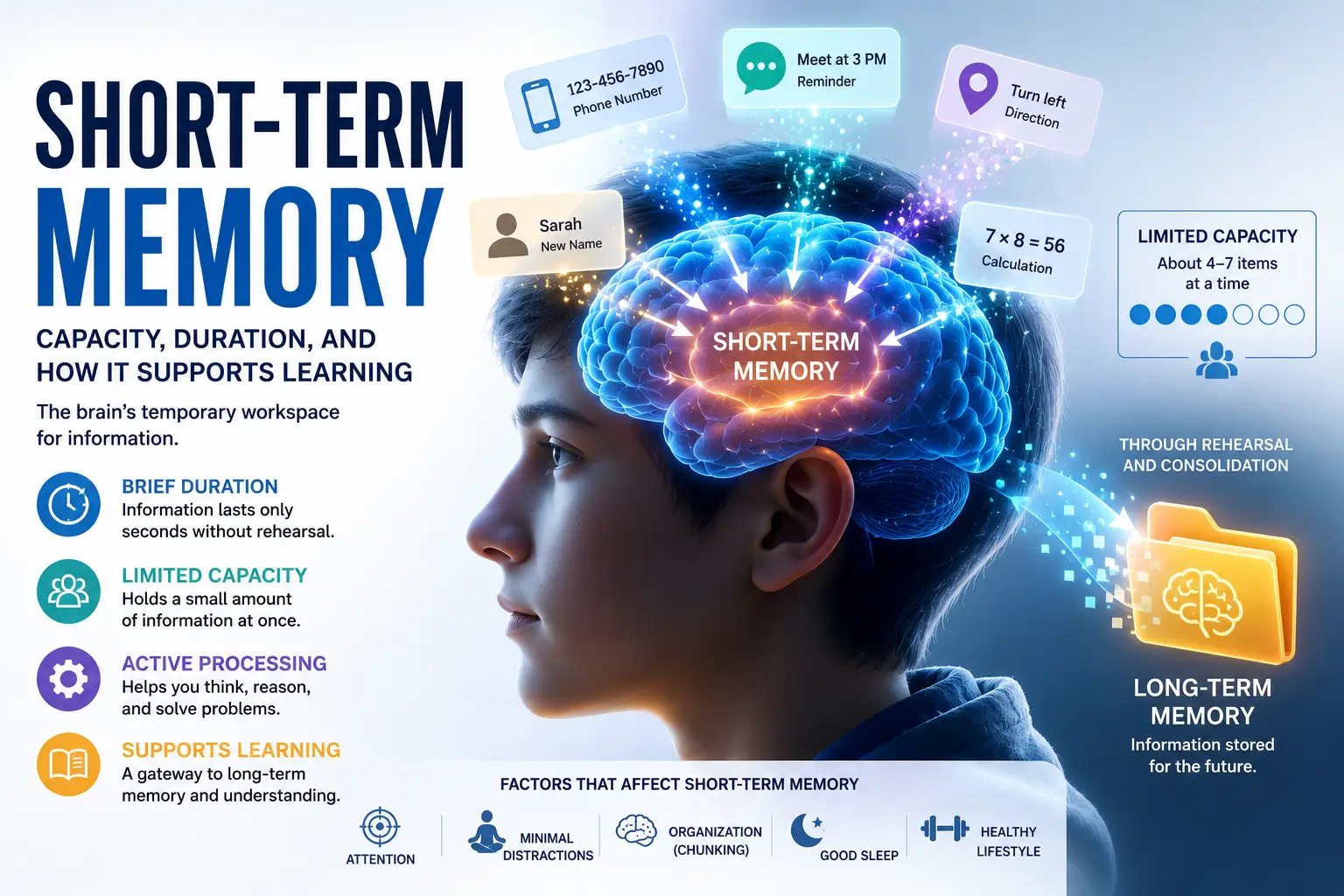
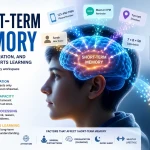
Imagine hearing a phone number and remembering it just long enough to dial it. Or reading a sentence and holding the first few words in mind while processing the last
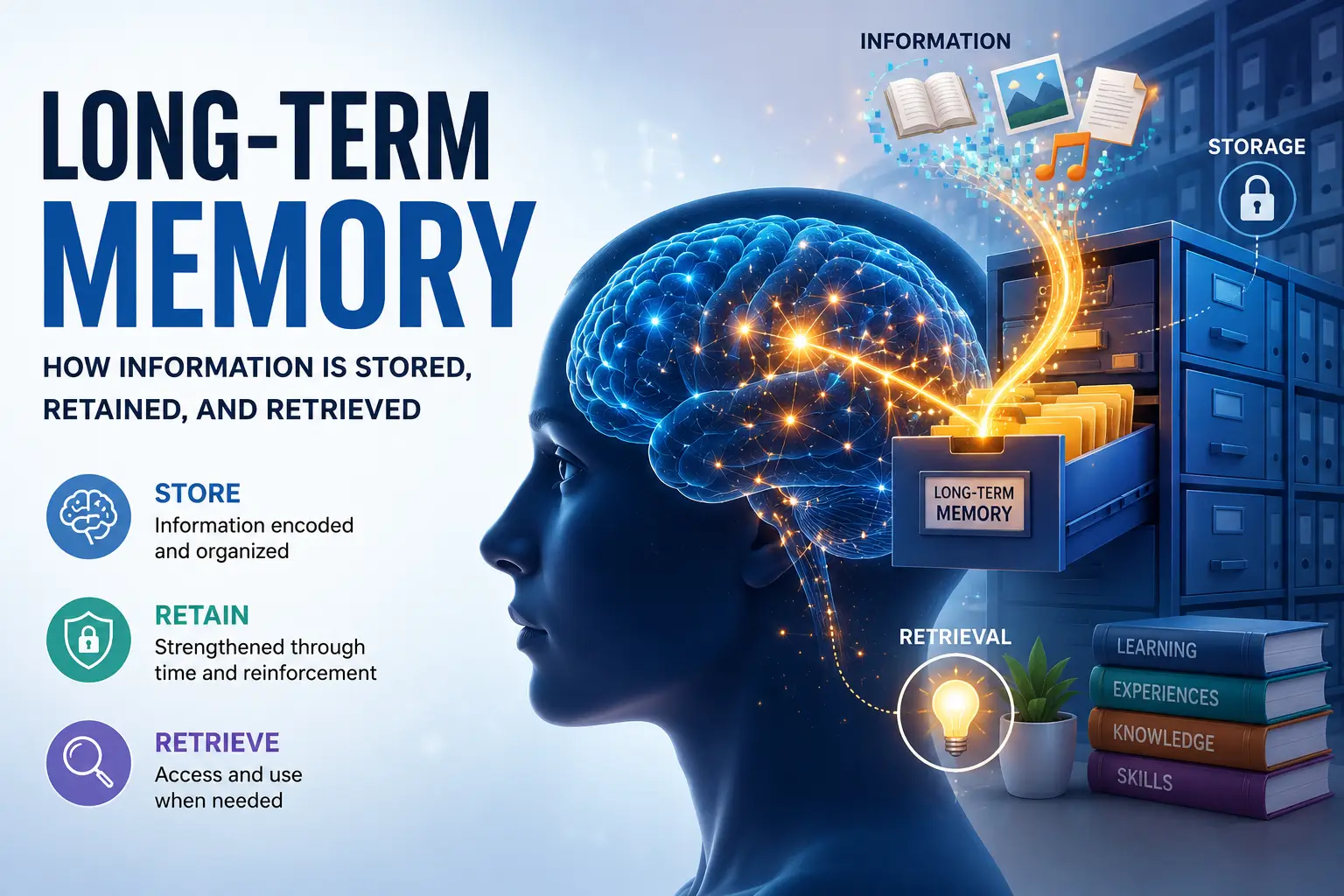
Why can you remember your childhood home years later but forget where you placed your keys this morning? Why do some facts stay with us for decades while others disappear
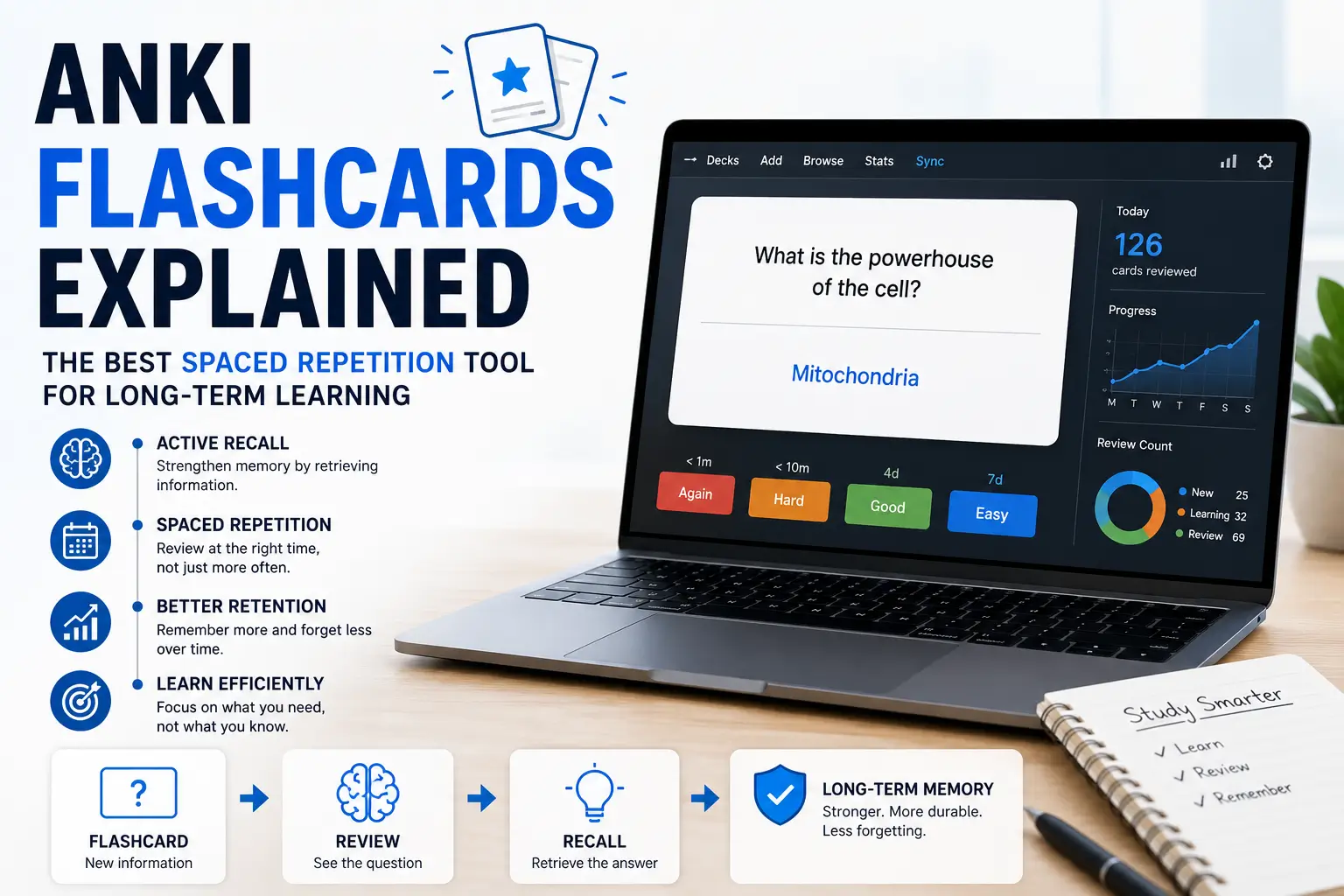
Most learners eventually discover an uncomfortable truth: Learning information is often easier than remembering it. You can read a chapter, watch a lecture, or complete a course and feel confident
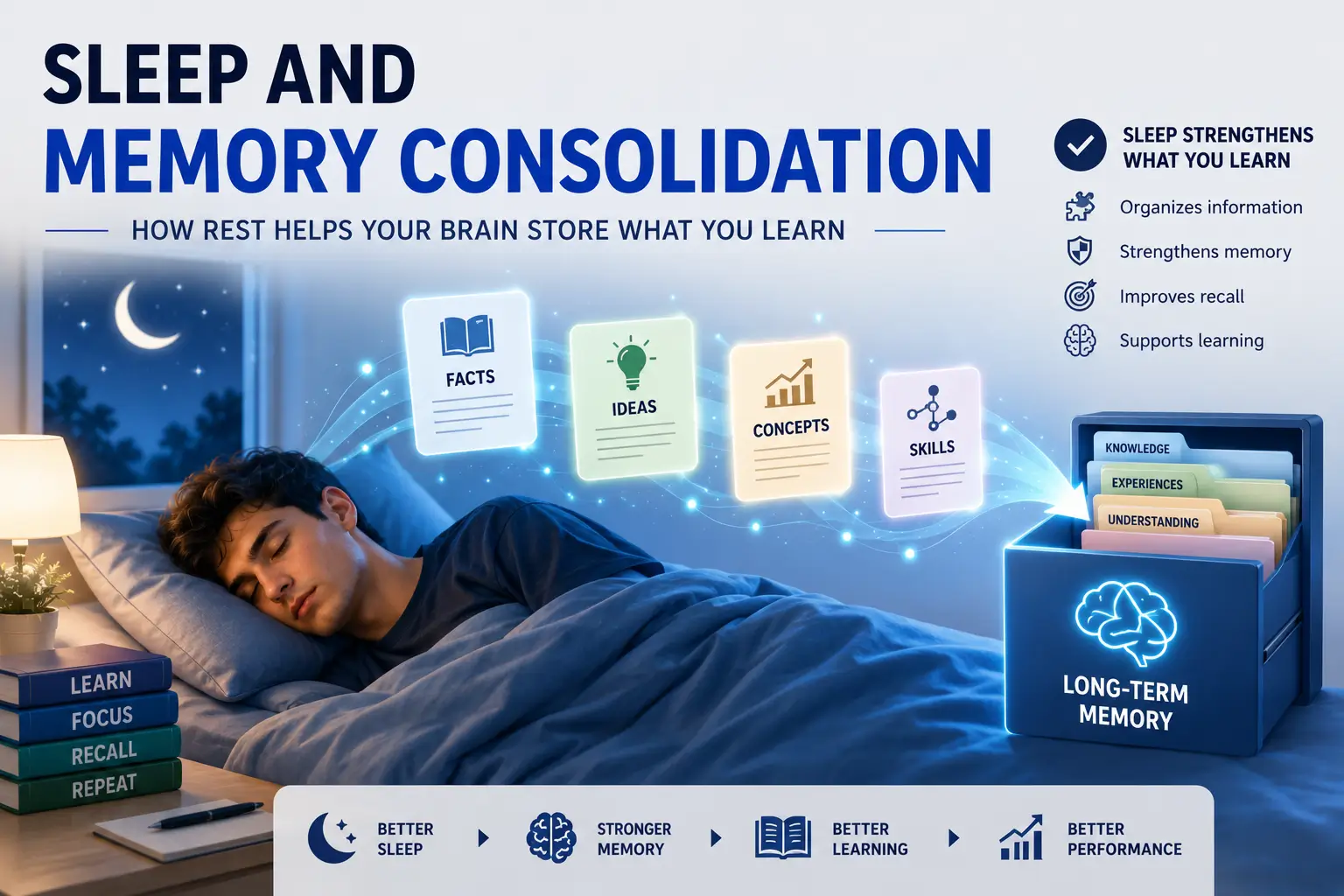
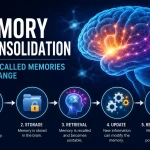
Have you ever studied something in the evening, gone to sleep, and found it easier to remember the next day? Or noticed that after a poor night’s sleep, focusing and
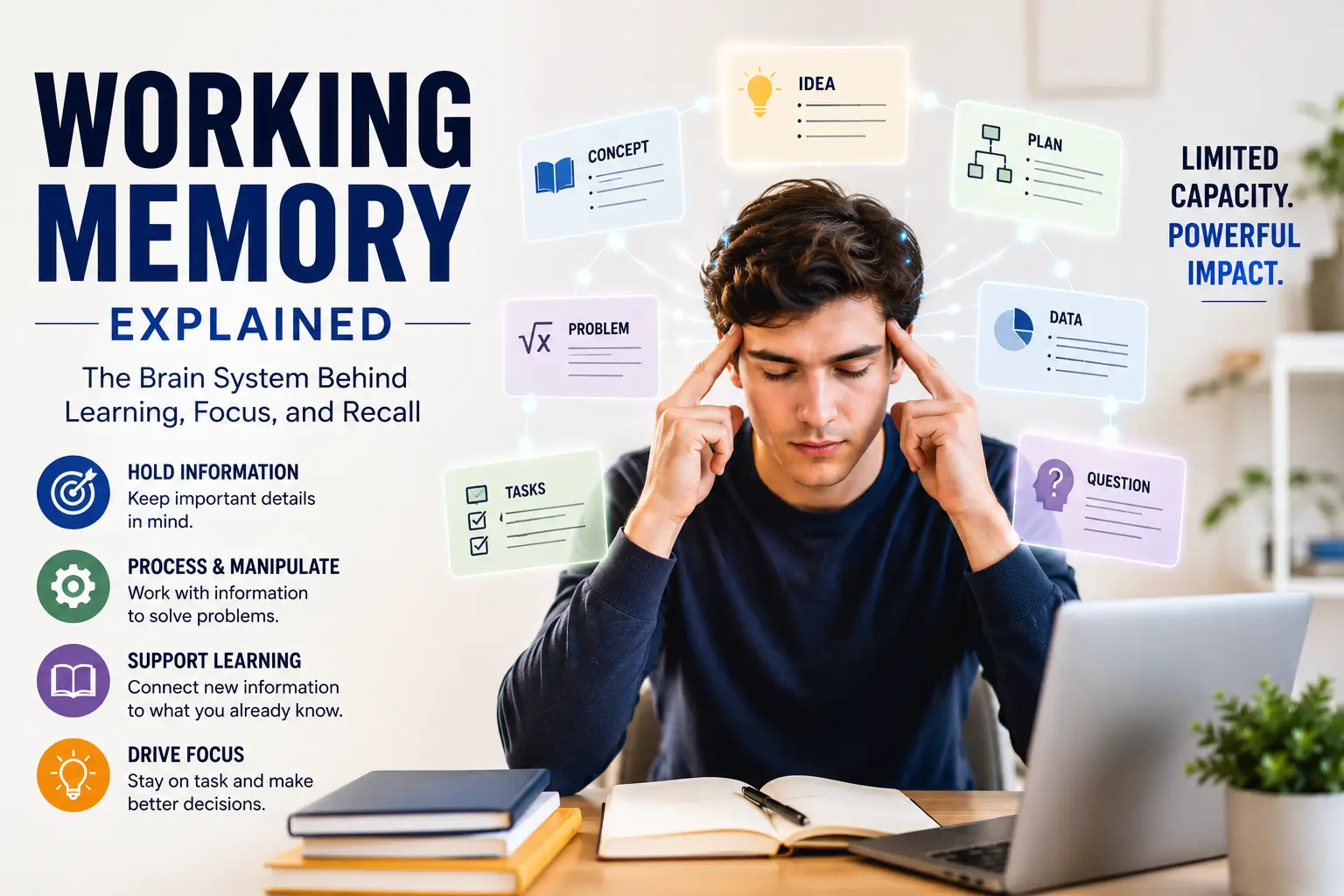
Imagine trying to remember a phone number long enough to dial it. Or solving a math problem in your head. Or following a set of instructions while performing a task.
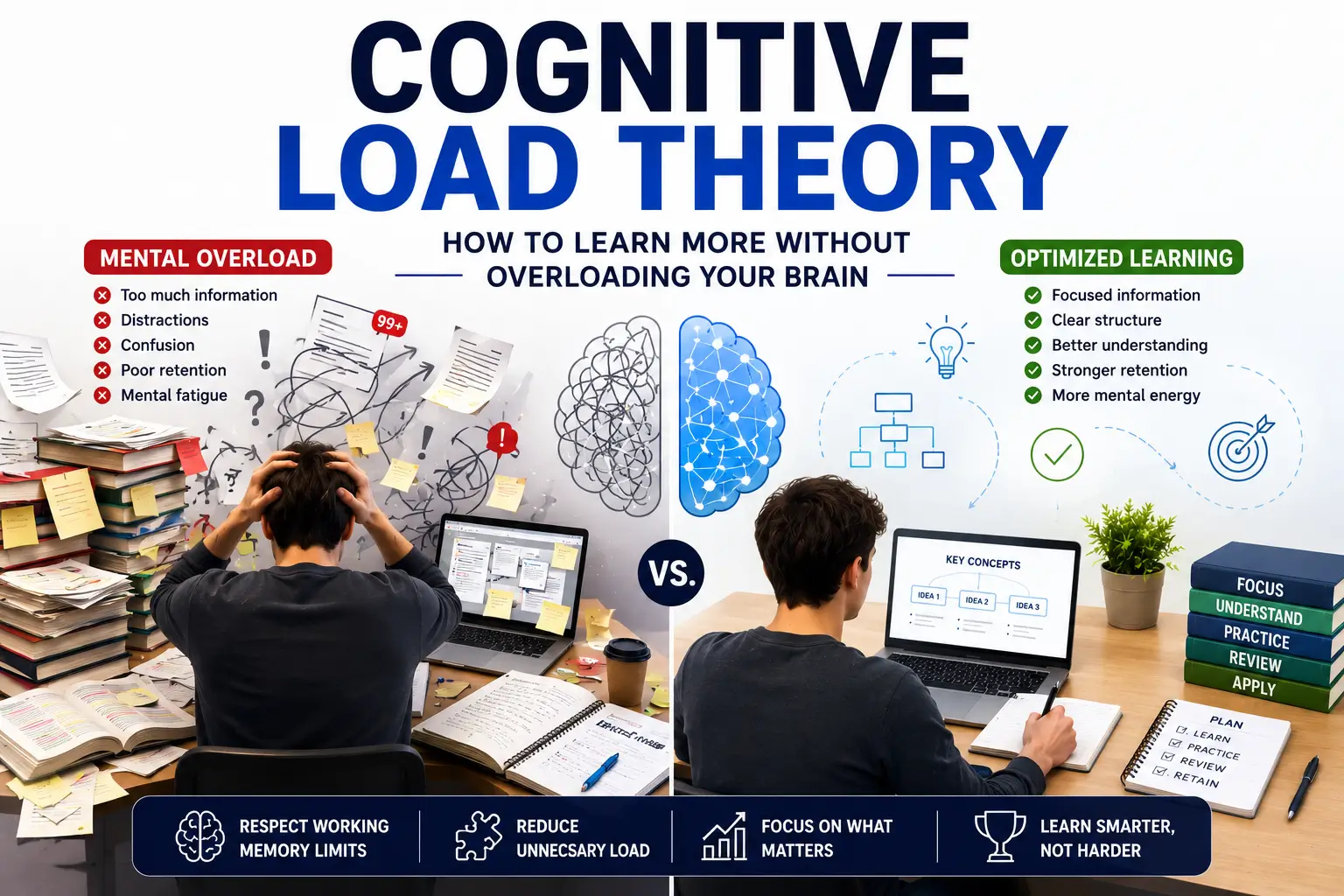
Have you ever read the same paragraph three times and still struggled to understand it? Or watched an educational video that felt overwhelming despite your best efforts to focus? If
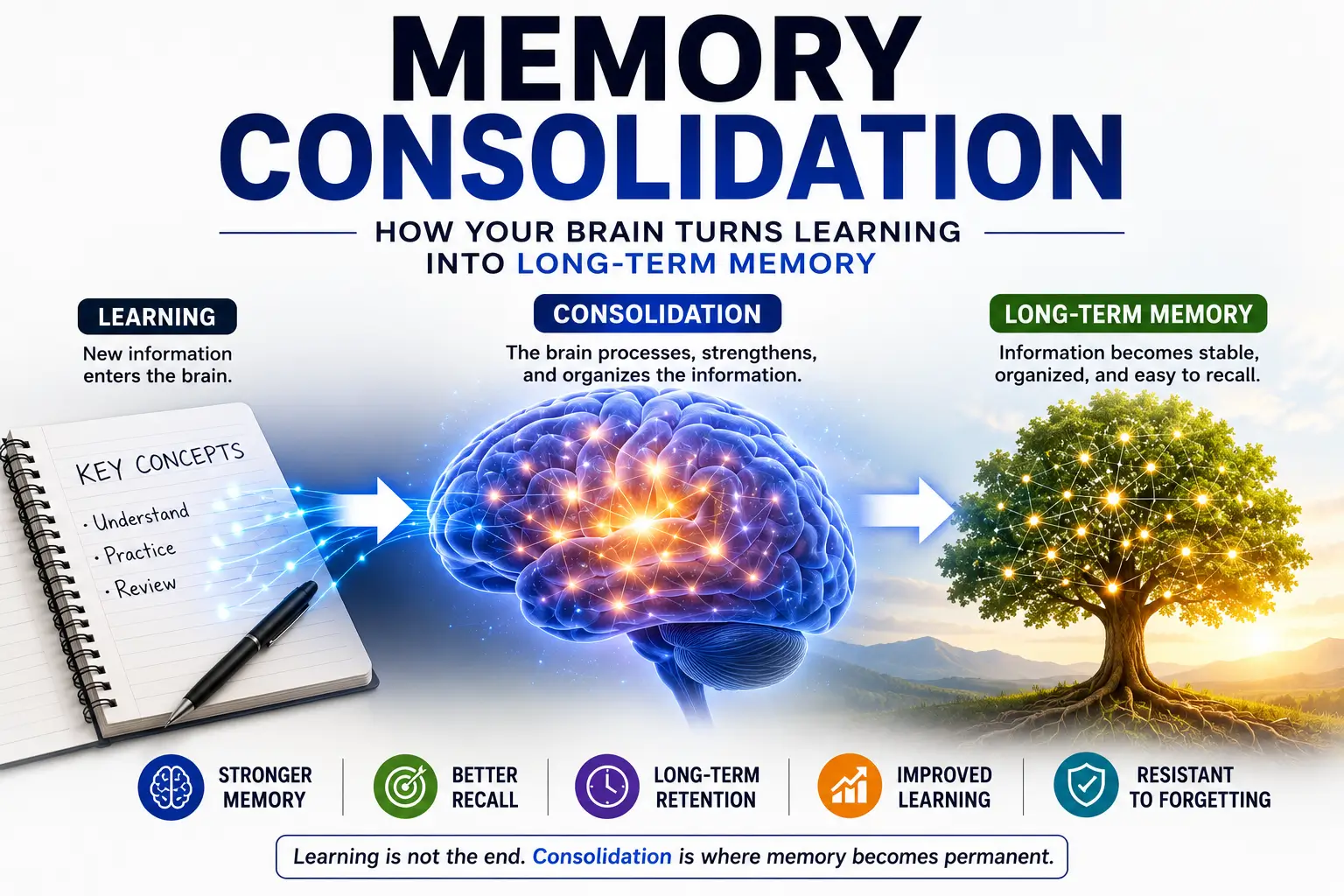
Have you ever studied something carefully, understood it perfectly, and then forgotten most of it a few days later? Or perhaps you’ve experienced the opposite. You learn something new, sleep