


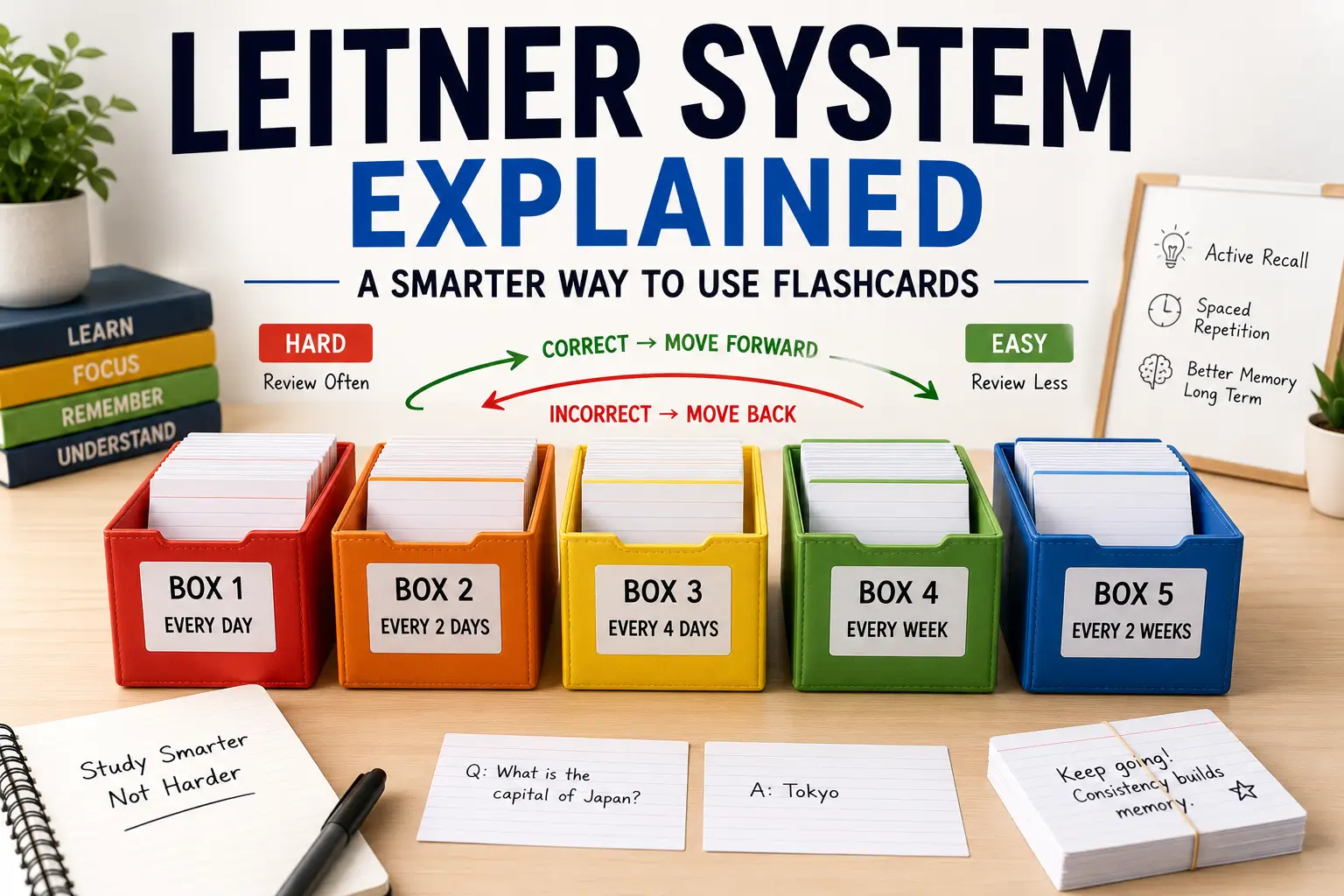
Flashcards have been used for generations as a simple way to memorize information. Students use them for vocabulary. Medical professionals use them for terminology. Language learners use them for grammar
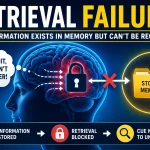
Imagine studying a list of unfamiliar concepts. You read each definition carefully, highlight the important words, and review the material several times. Everything feels familiar. Yet when someone asks you
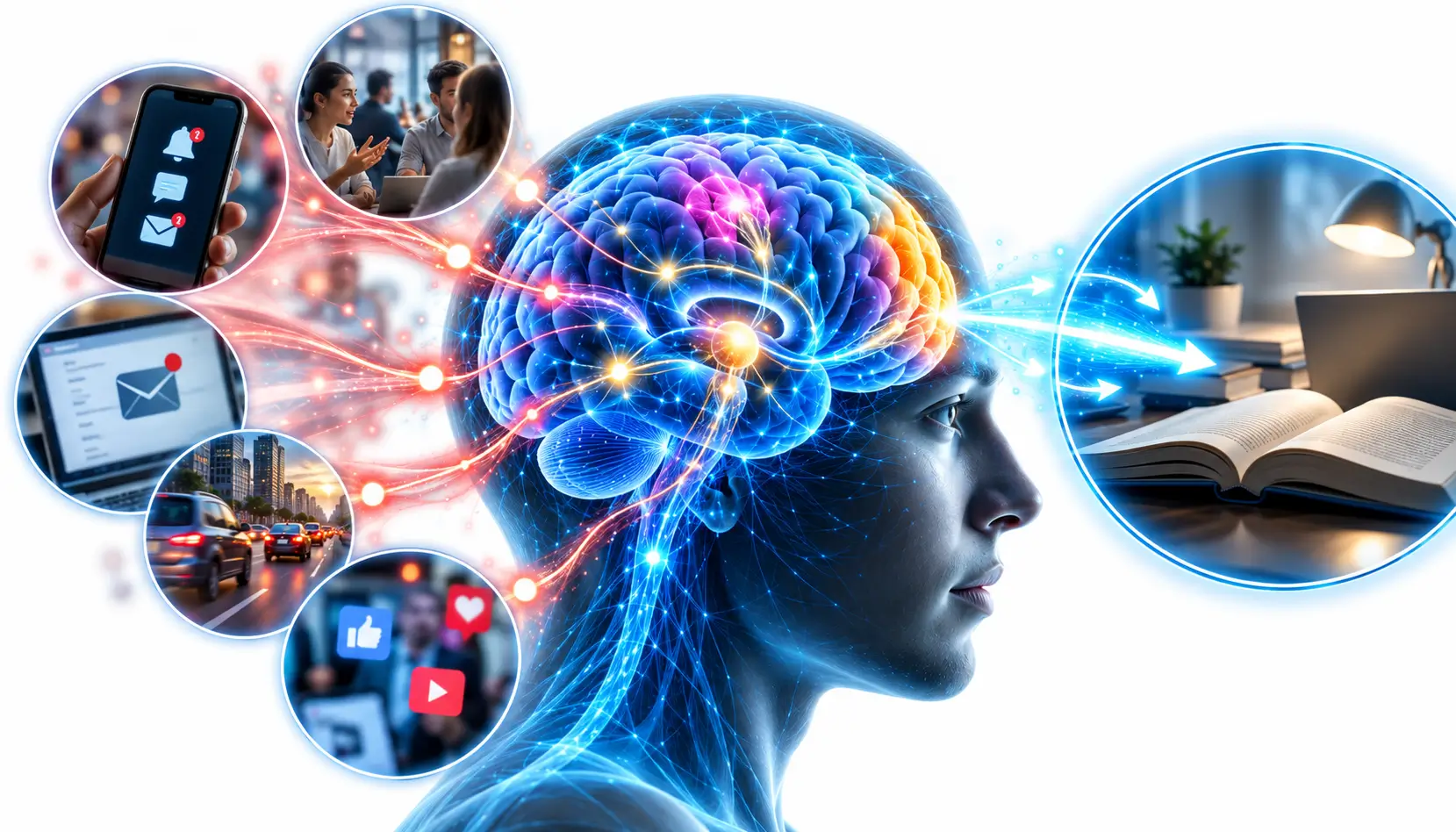
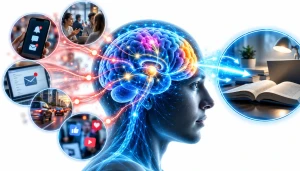
You open your laptop intending to finish one important task. A notification appears. You check it for a few seconds, return to your work, remember an email you meant to
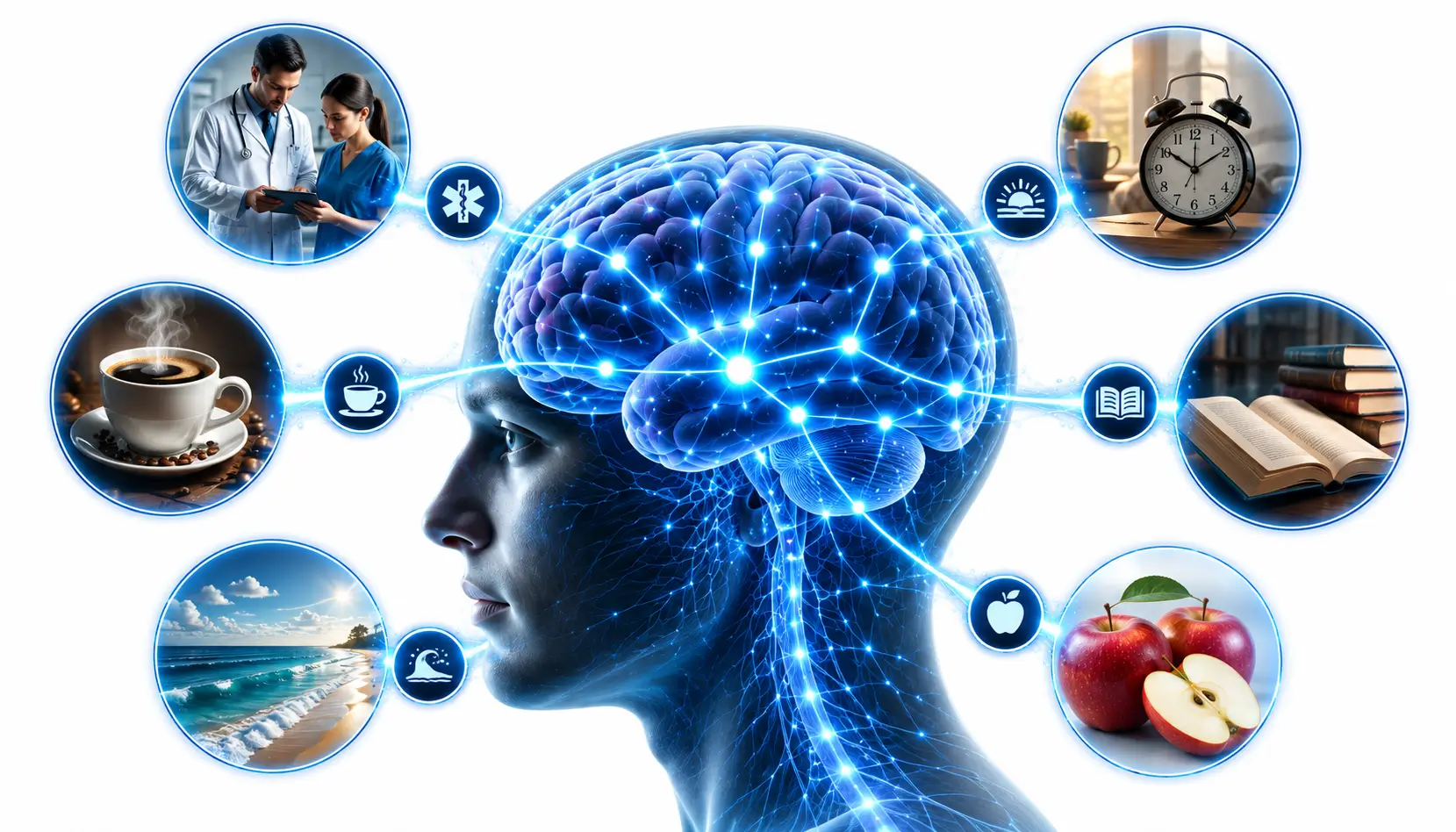
Imagine walking into a bakery on your way home from work. The warm smell of freshly baked bread instantly makes you feel hungry—even if you had dinner an hour earlier.
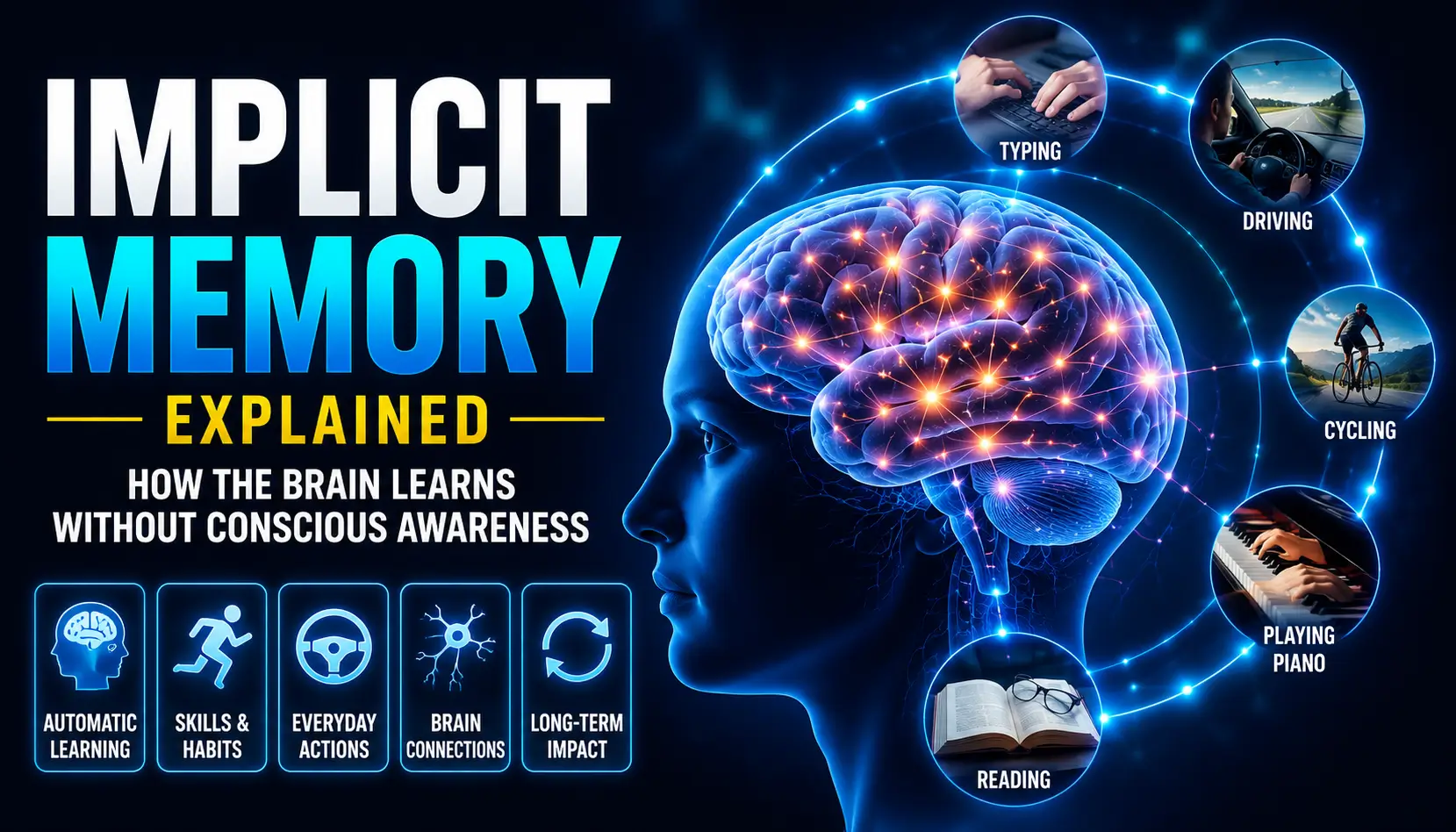
You pull into your driveway after work, turn off the engine, and reach for your keys. As you step out of the car, a strange thought crosses your mind—you barely
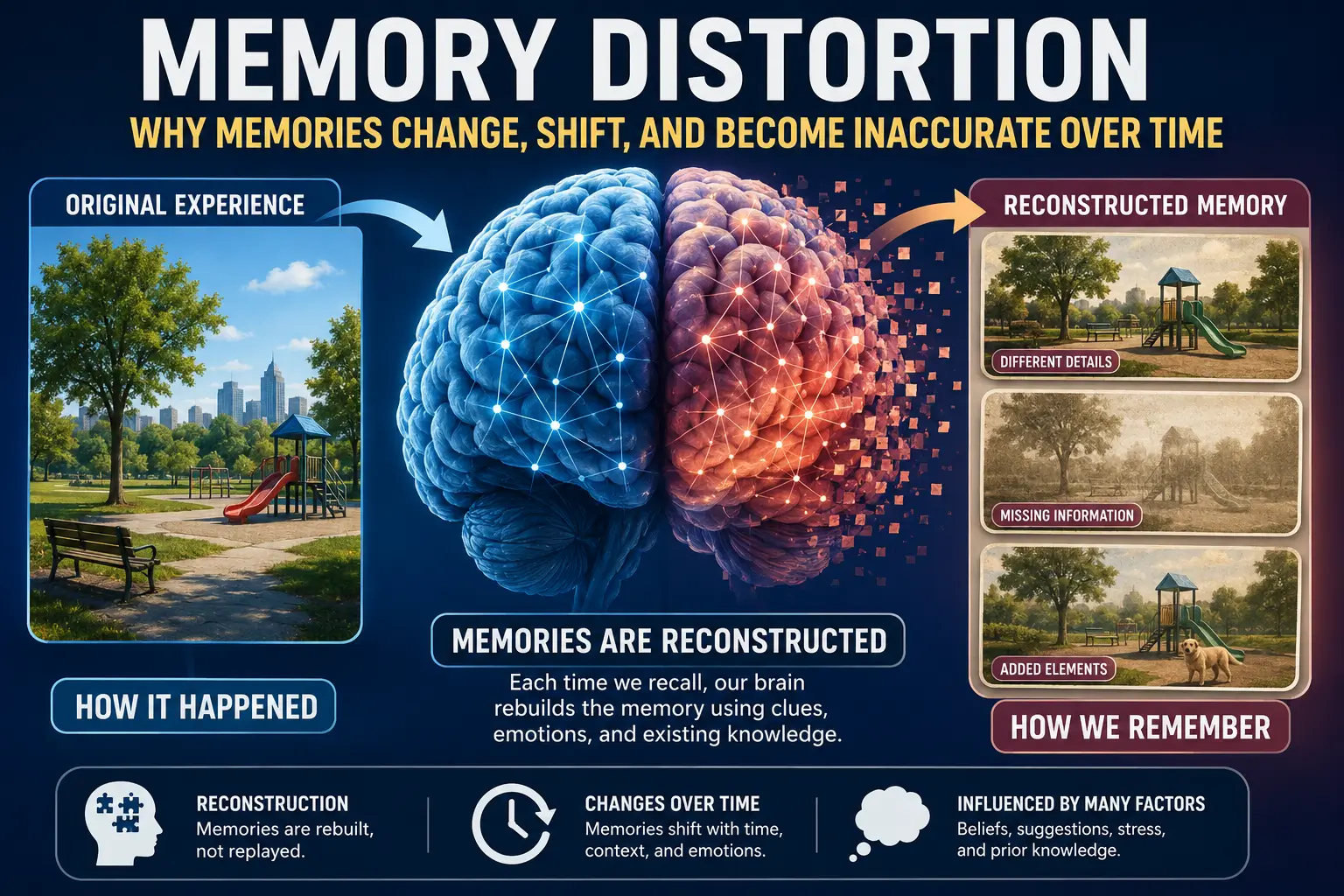
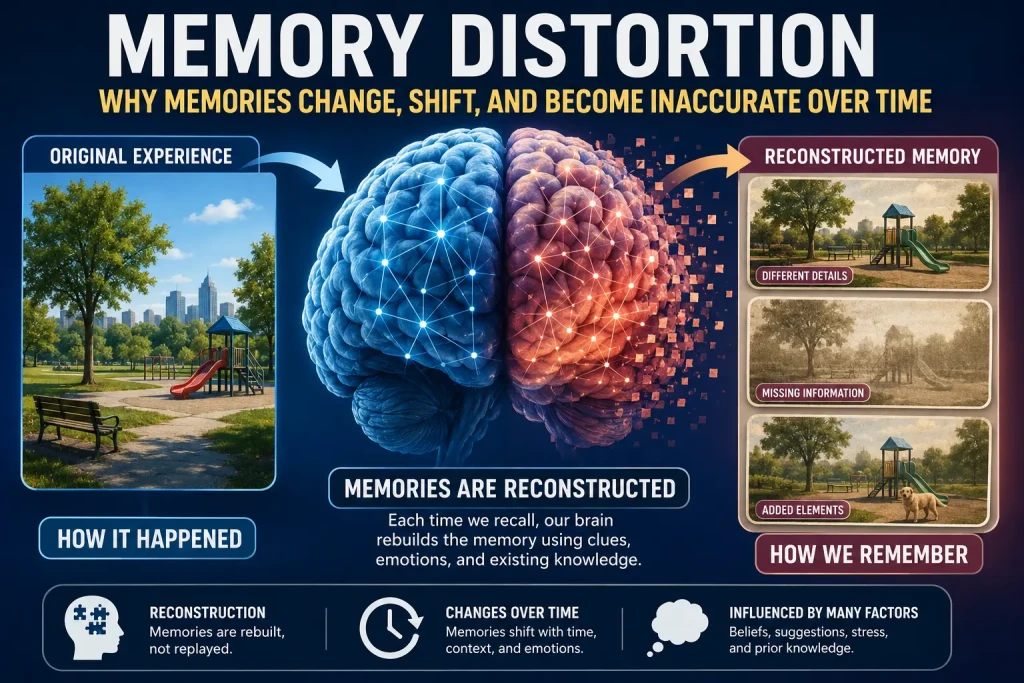
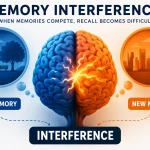
Many people think of memory as a recording device that stores experiences exactly as they happened. Modern cognitive psychology tells a very different story. Memory is not a perfect archive.
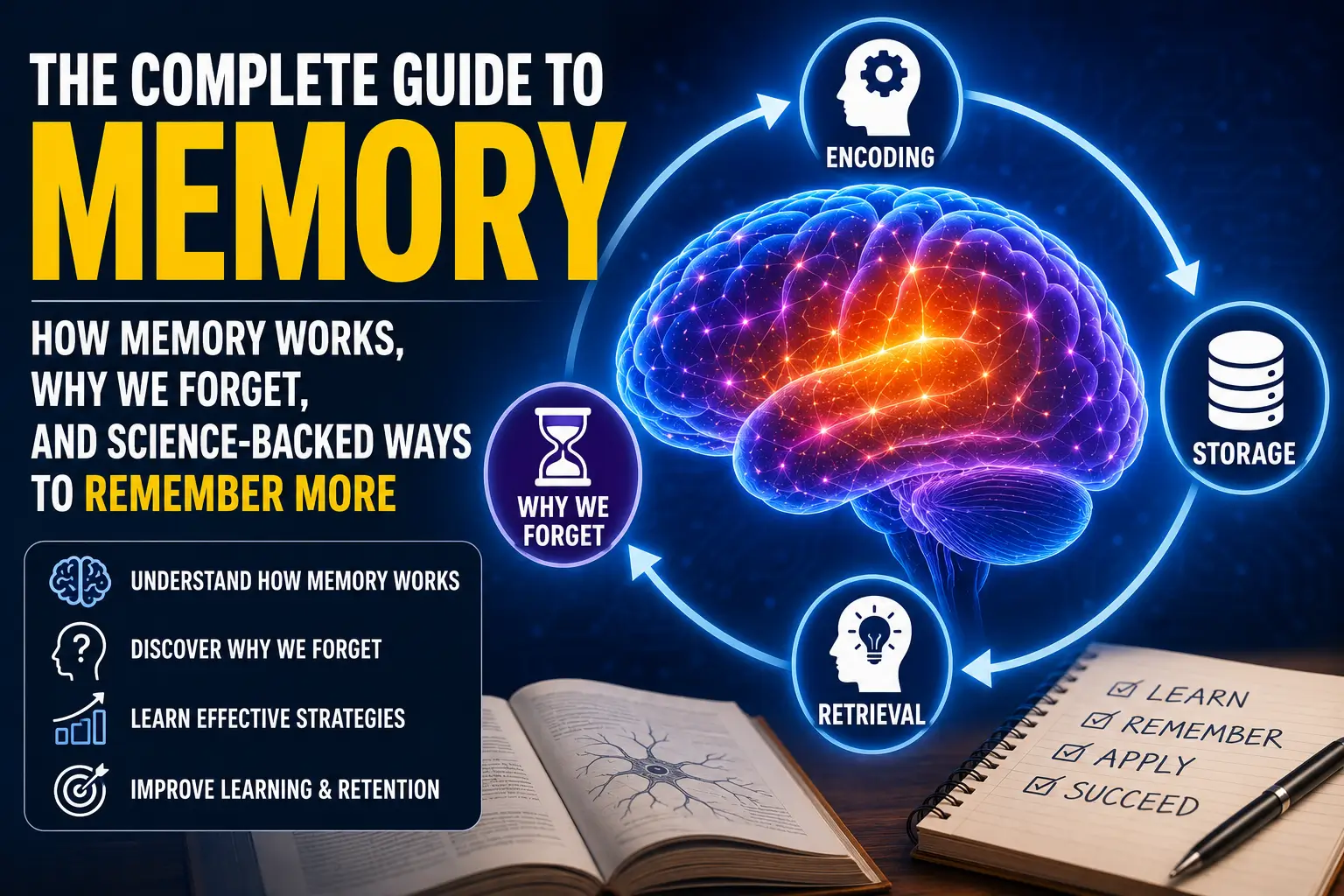
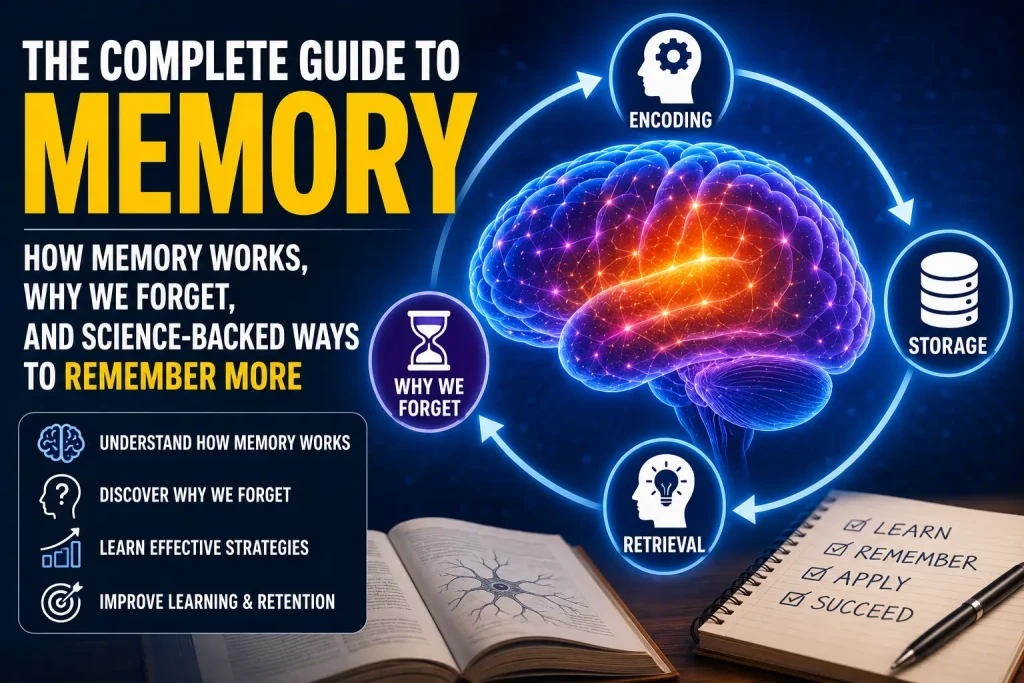
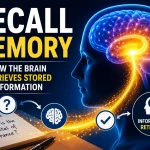
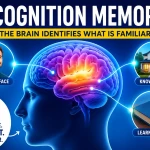
Memory is the brain’s ability to encode, store, and retrieve information. Modern cognitive science shows that memory is not a single system but a collection of interconnected processes that support
Flashcards have been used for generations as a simple way to memorize information. Students use them for vocabulary. Medical professionals use them for terminology. Language learners use them for grammar

Many people believe learning is about collecting information. Read more books. Watch more videos. Take more notes. Highlight more pages. Yet one of the most effective learners in modern history
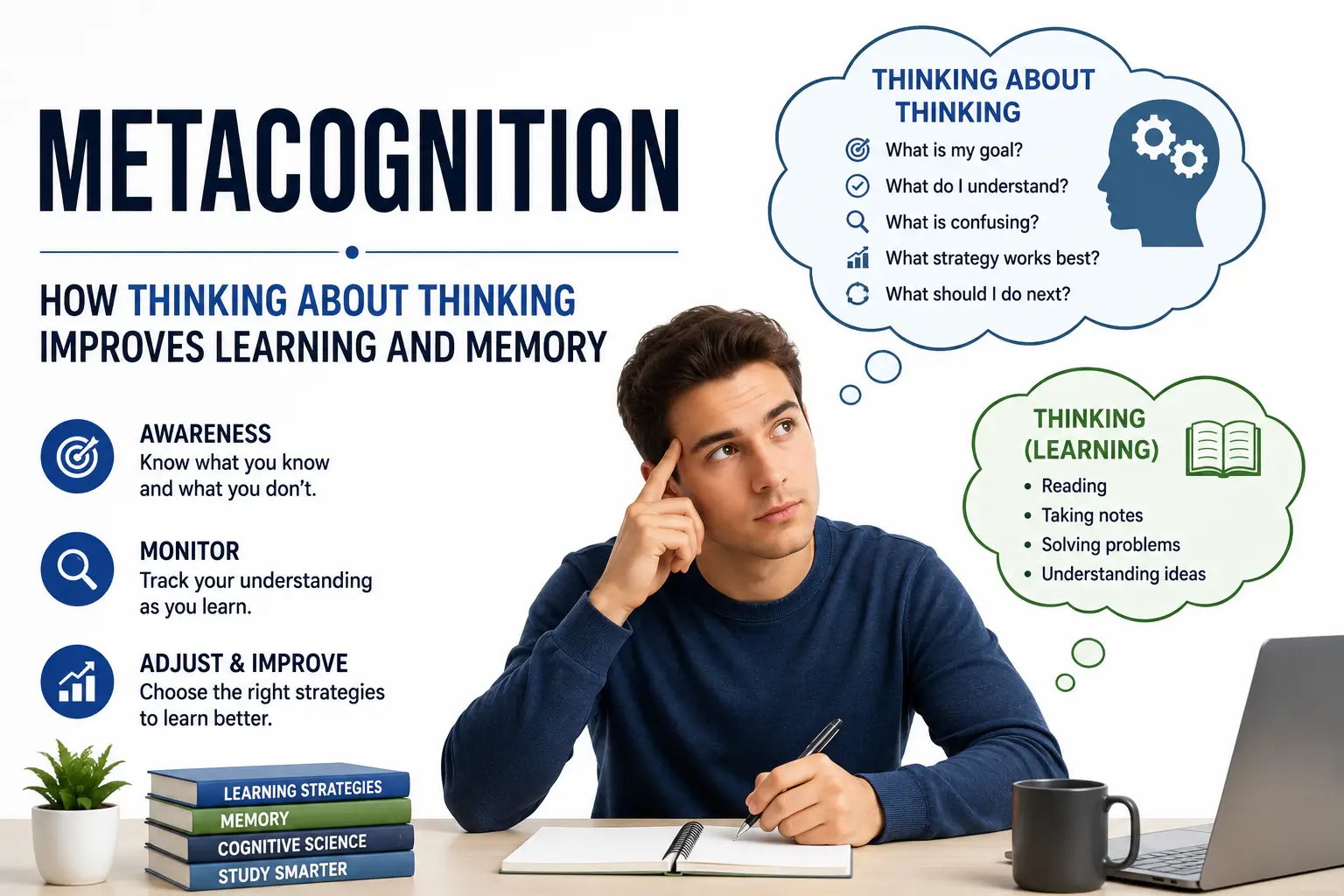
Imagine two students preparing for the same exam. Both spend the same amount of time studying. Both read the same material. Both complete the same assignments. Yet one consistently learns
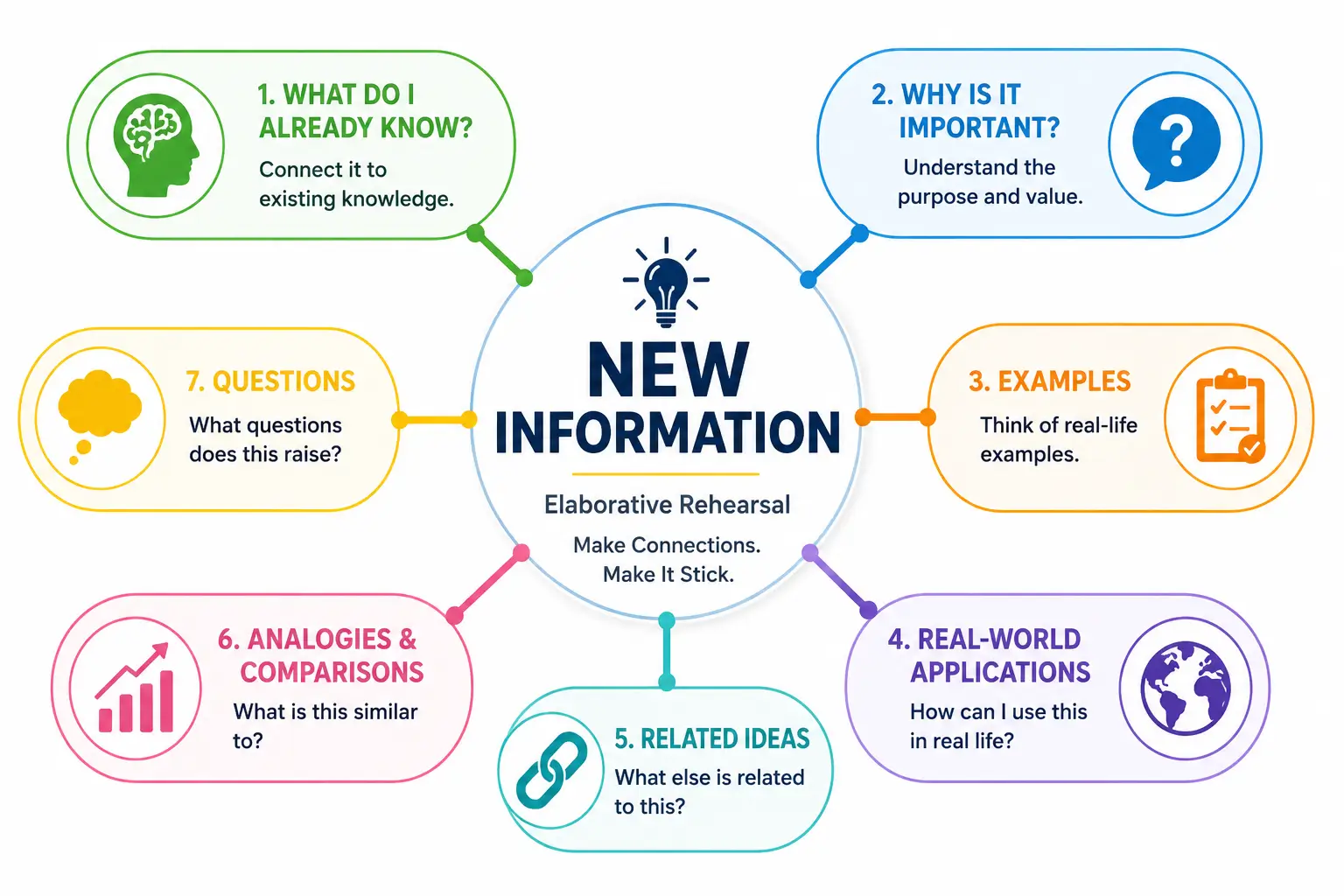
Imagine meeting two students who are trying to learn the same concept. The first student reads the information several times and repeats it silently. The second student asks questions. They
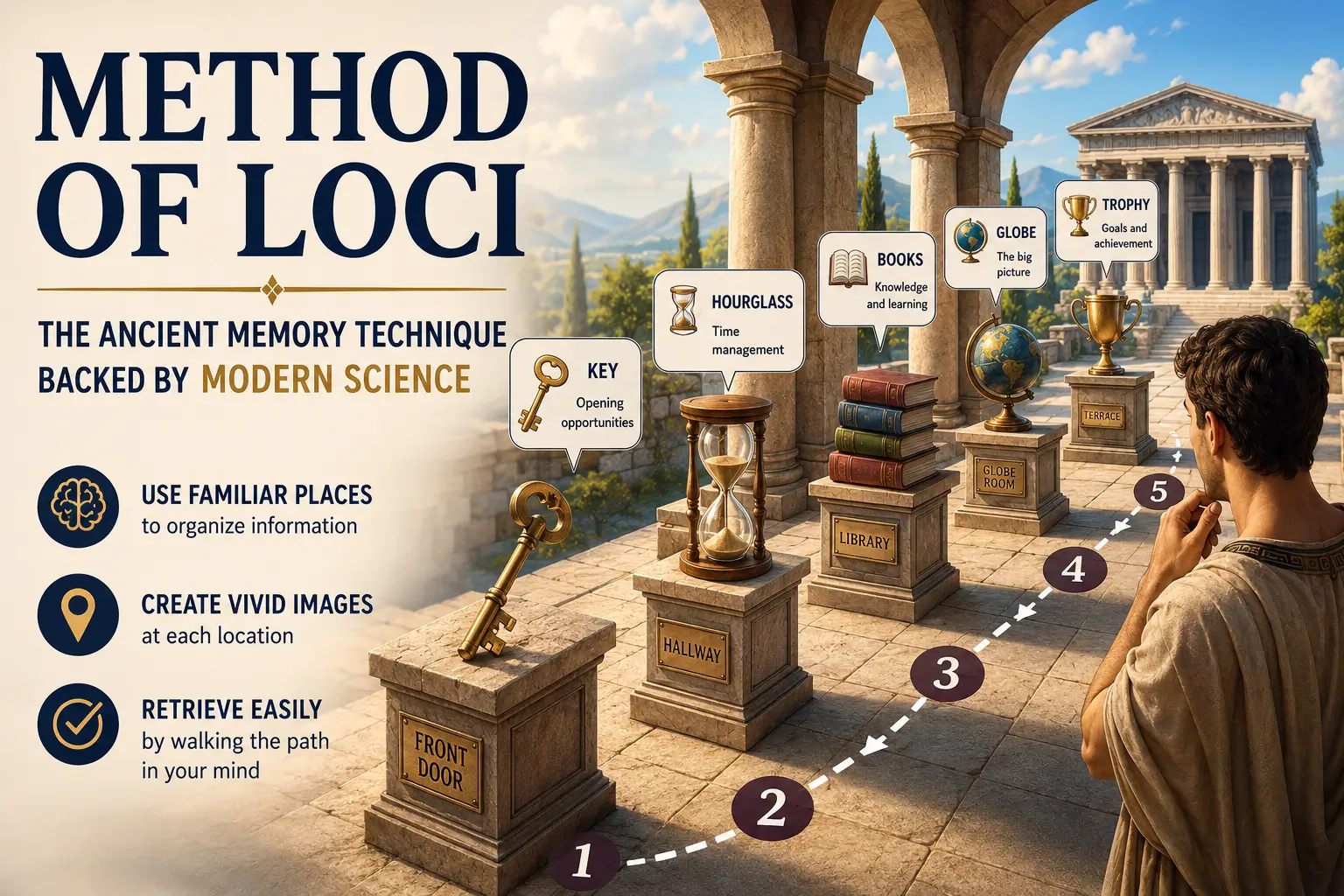
More than two thousand years ago, long before smartphones, notebooks, and search engines existed, people still needed to remember enormous amounts of information. Orators delivered speeches from memory. Scholars memorized
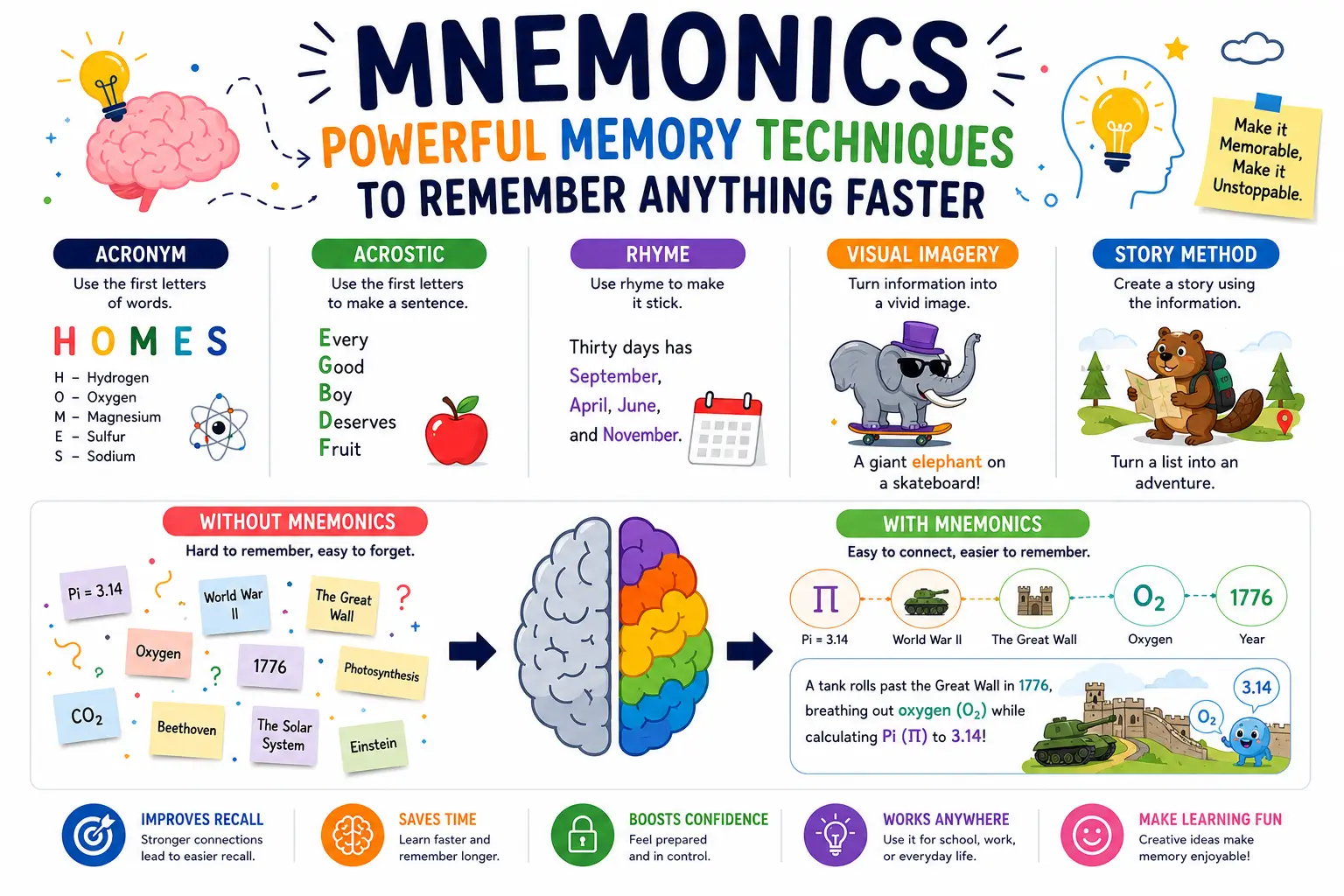
Imagine trying to remember a long list of information with no structure, no associations, and no context. For most people, that task would be difficult. Now imagine transforming the same
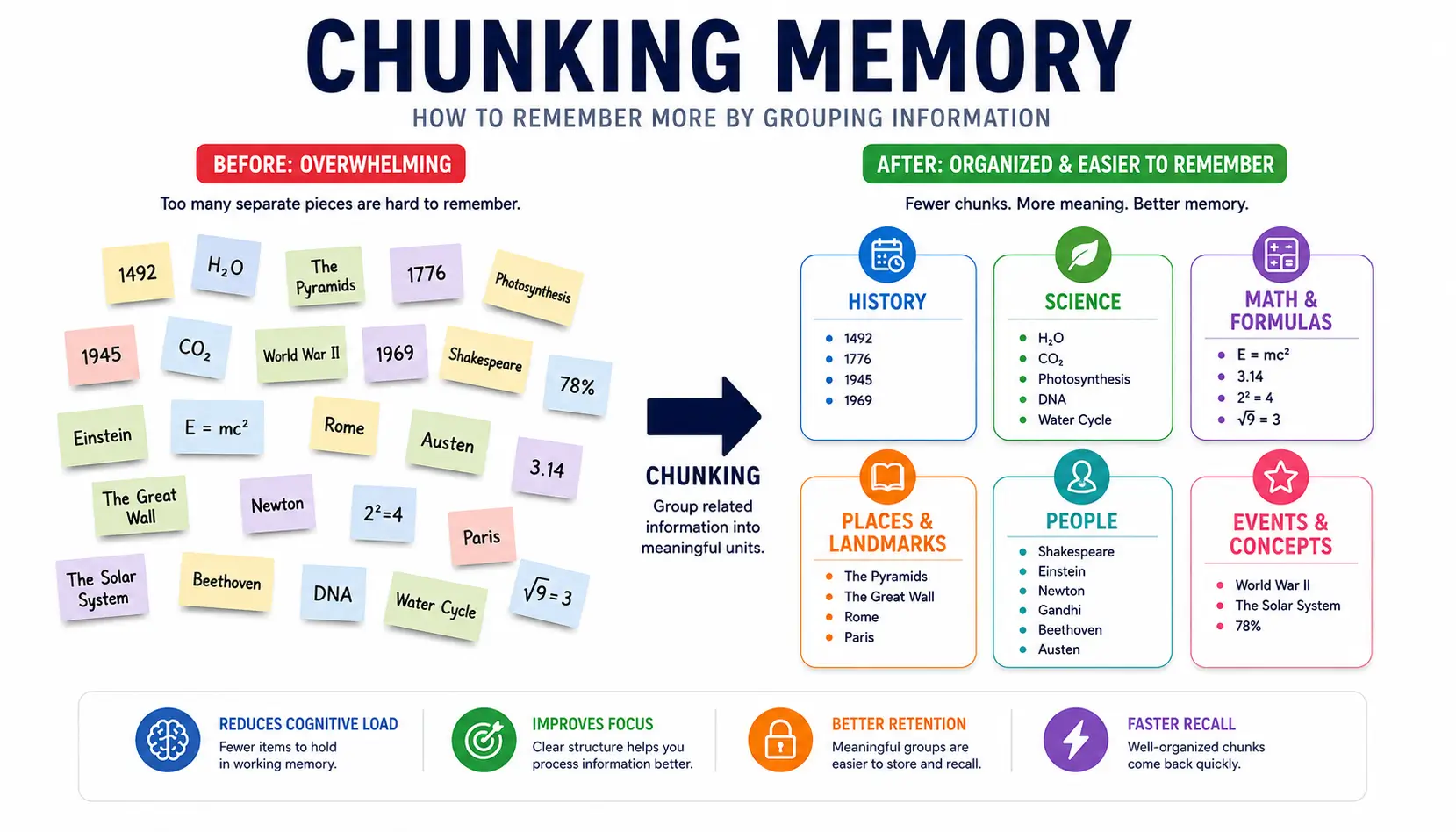
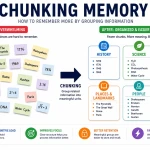
Imagine trying to memorize this sequence: 1492177619451969 Most people would struggle. Now look at the same information arranged differently: 1492 1776 1945 1969 Suddenly, the task feels much easier. The
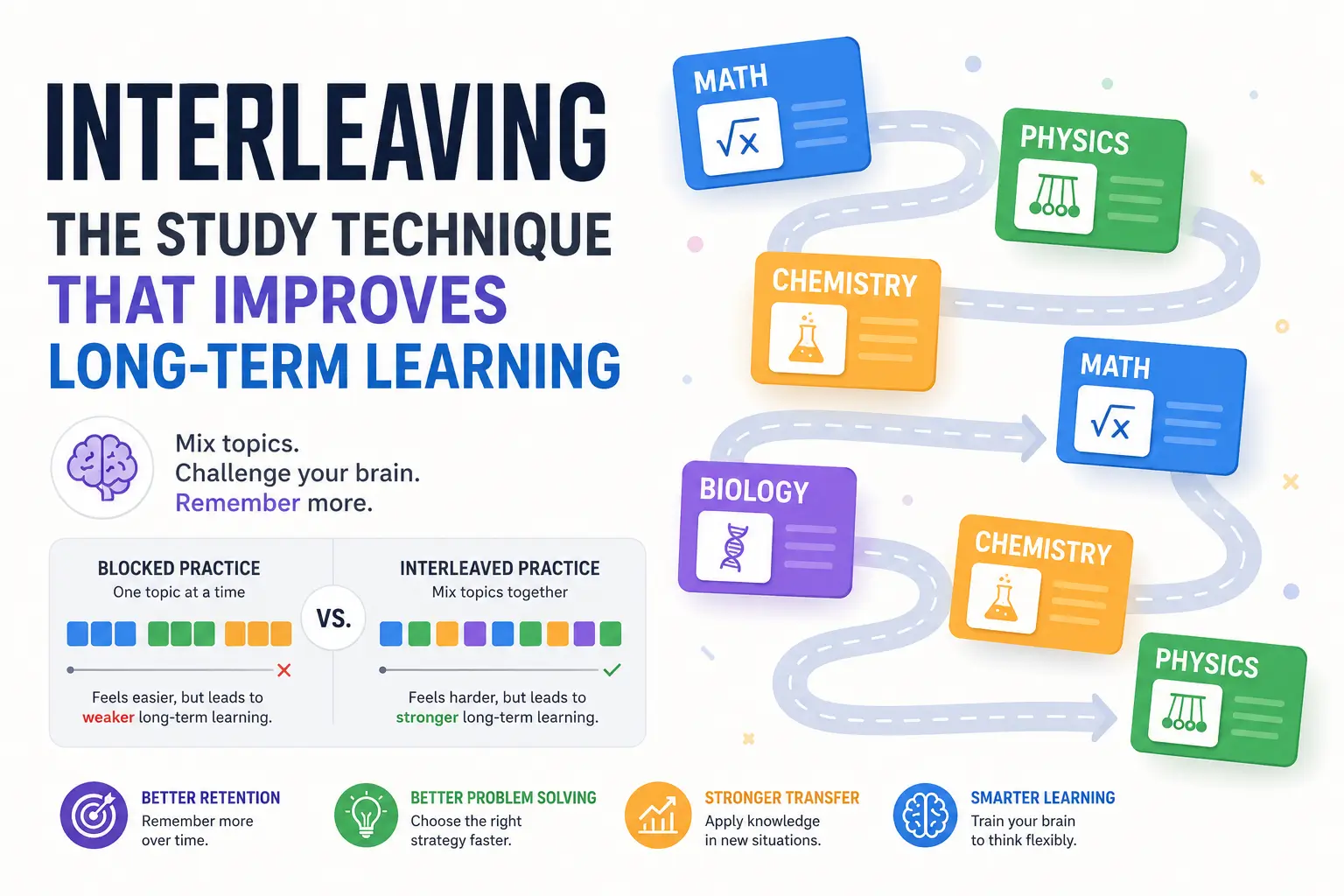
Imagine two students preparing for the same exam. The first student spends three straight hours solving only algebra problems. After that, they spend three hours on geometry and another three
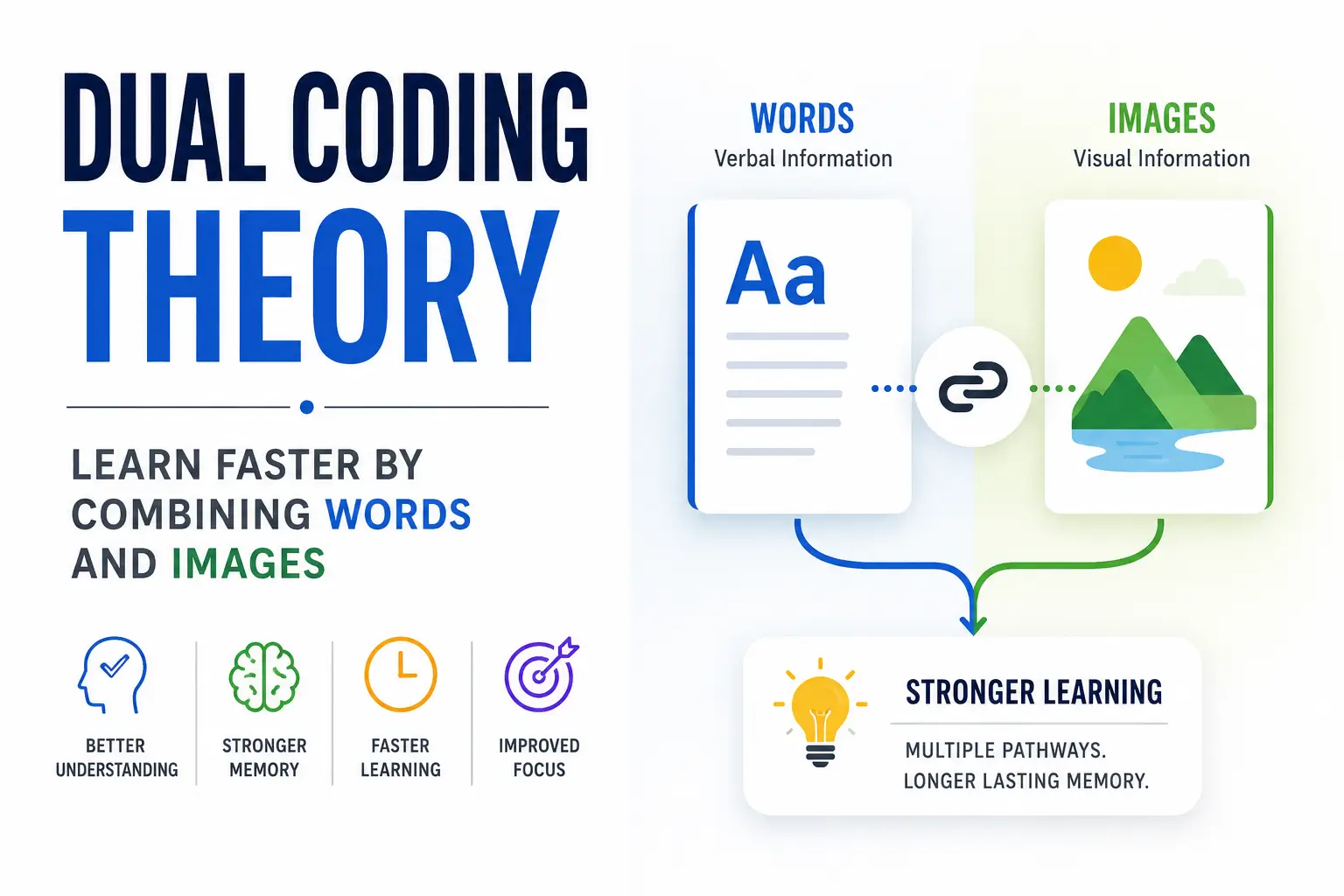
Have you ever noticed how some information seems to stick instantly while other information disappears almost as quickly as you learn it? One reason may have nothing to do with
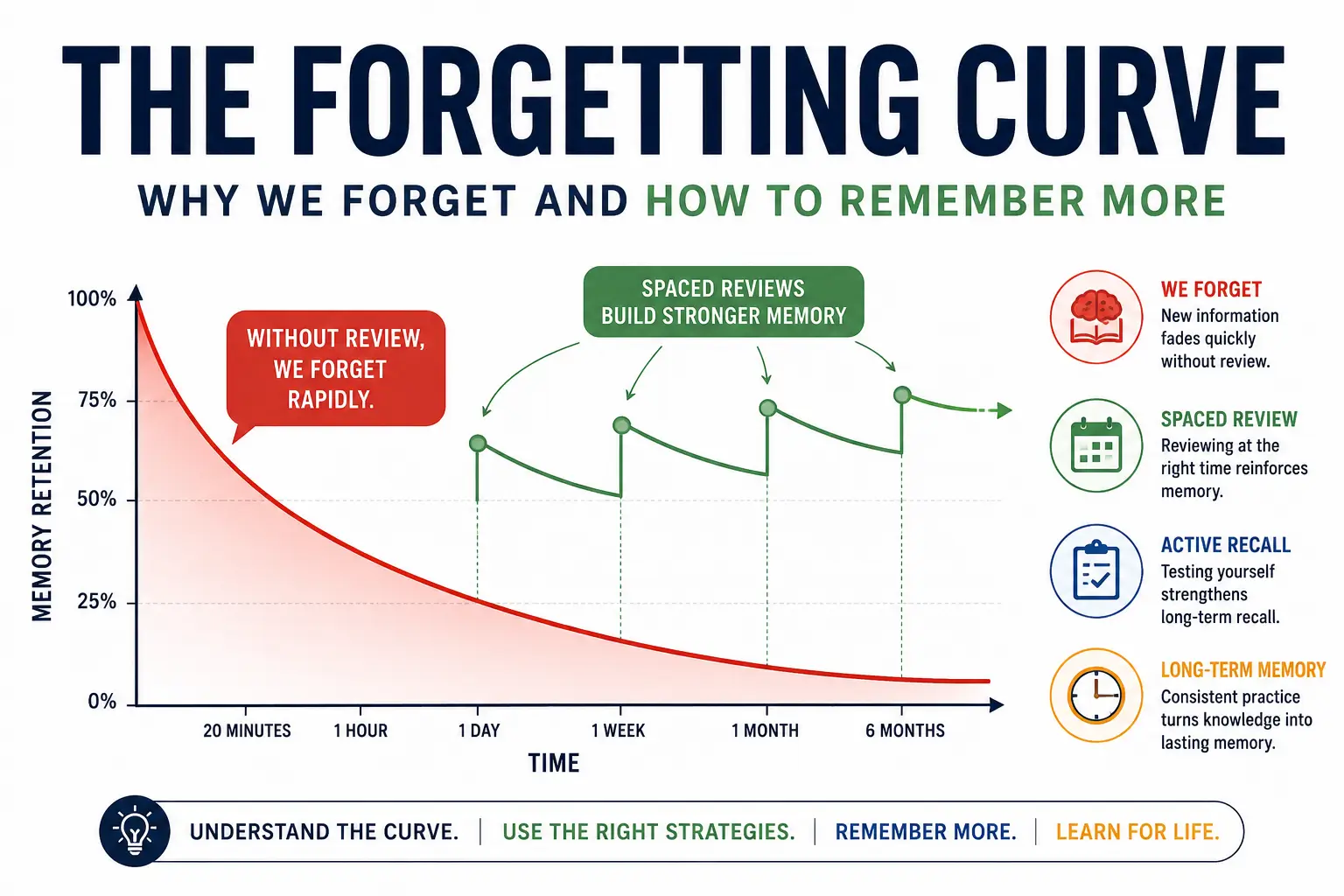
Have you ever studied something carefully, felt confident that you understood it, and then discovered days later that most of it had vanished from memory? You’re not alone. In fact,